
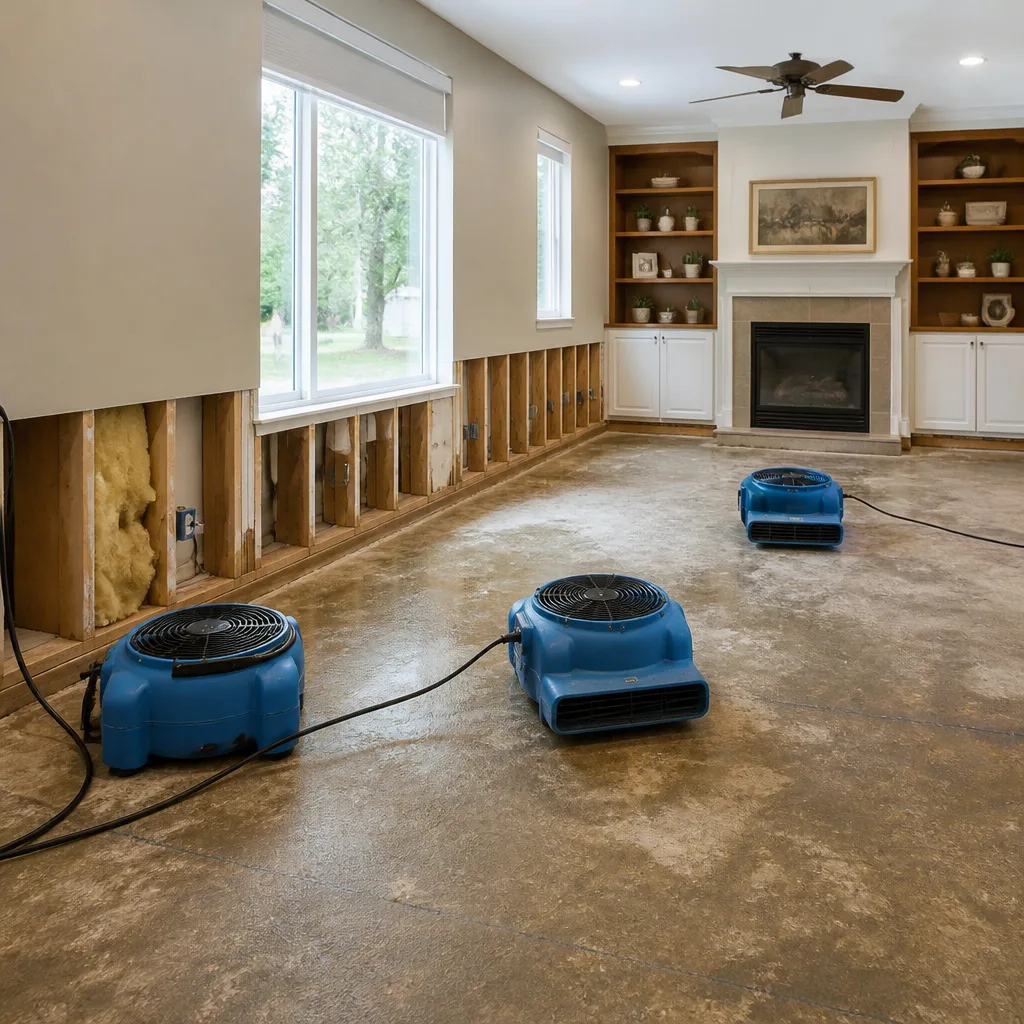
 Water damage drying
 Fire & smoke cleanup
 Mold remediation
 Storm response
 Sewage cleanup
 Reconstruction
Free visual inspection and a written scope of work before any mitigation begins - photos, moisture readings, and drying logs go in your claim file
The scope we write is the scope we bill. Anything new gets shown to you, in writing, before we touch it.
Get your free estimateRestoration work we handle
See the difference
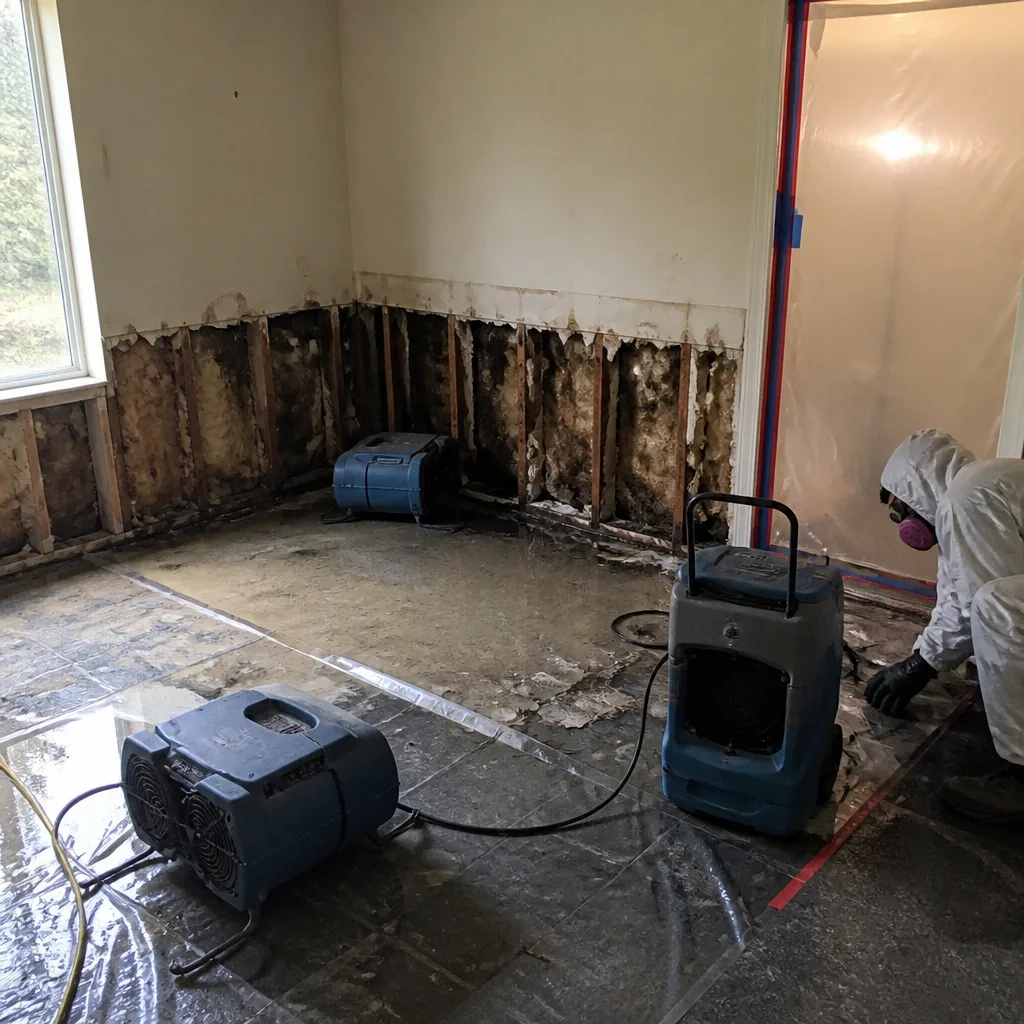 Before
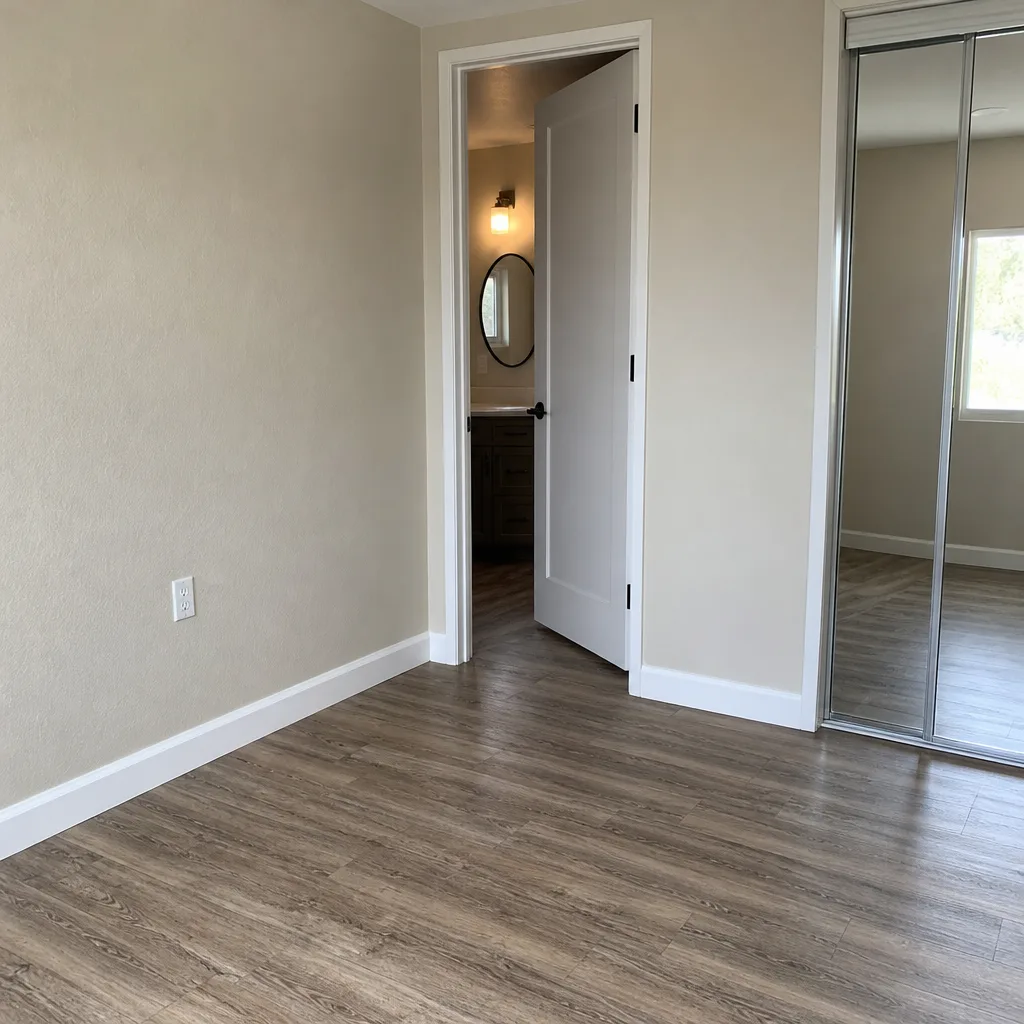 After
After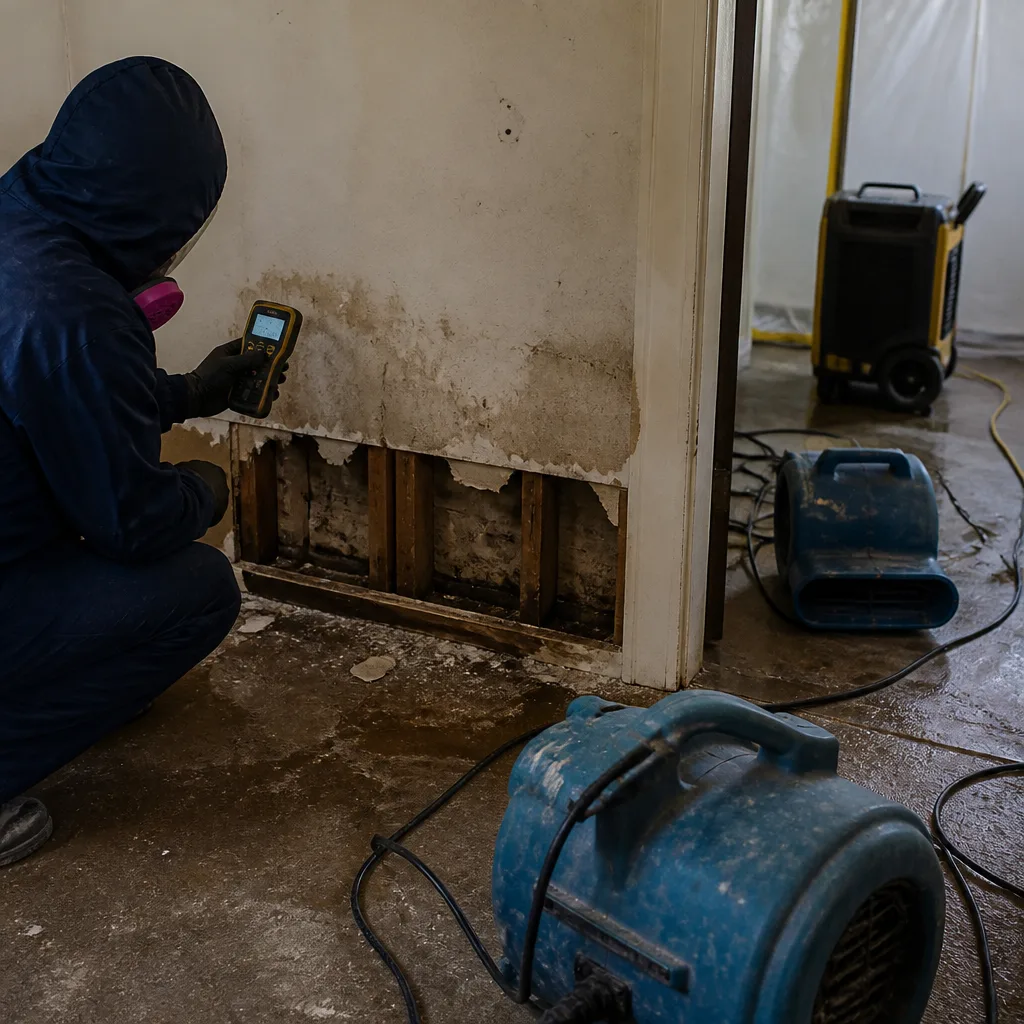 Before
 After
After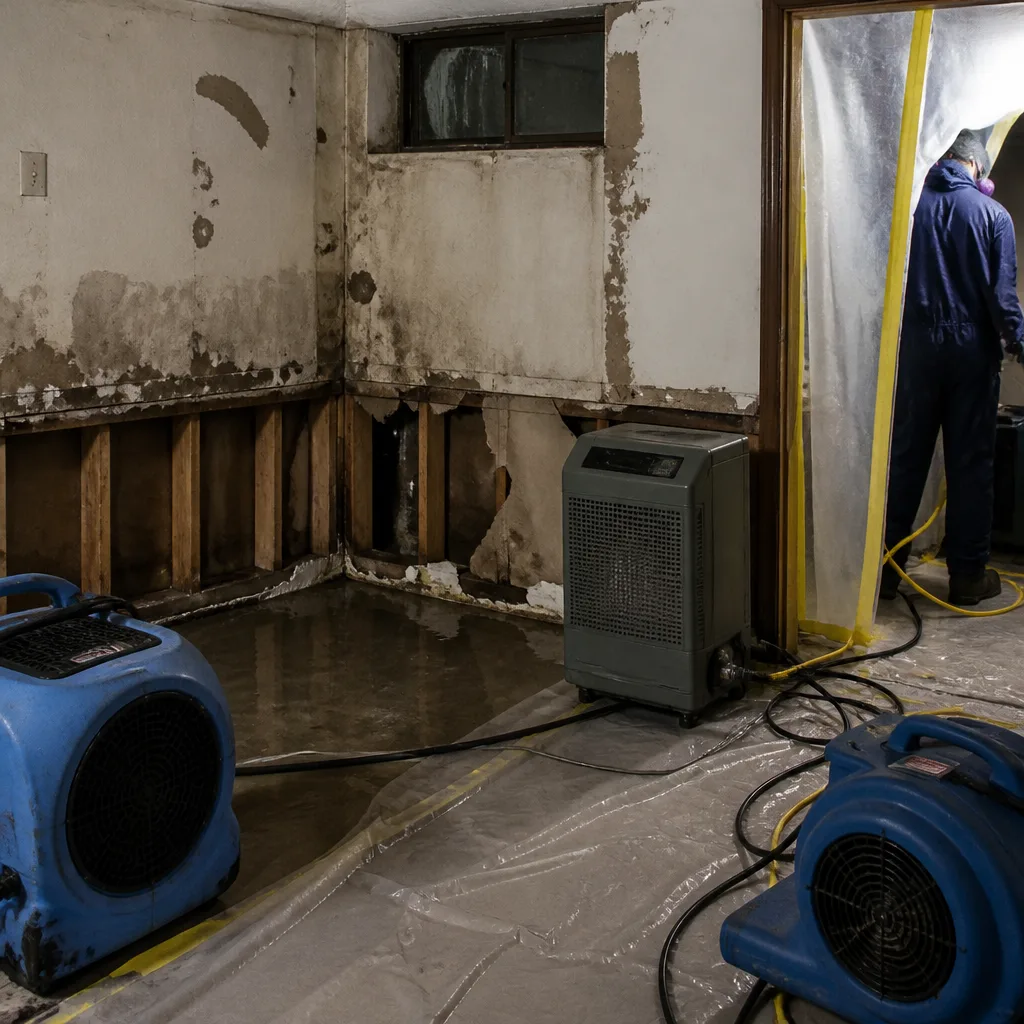 Before
 After
AfterStructural Drying & Dehumidification in Woodland Hills, CA
Structural drying and dehumidification in Woodland Hills typically costs between $1,200 and $4,500 depending on the size of the affected area, how long water sat before extraction, and whether hardwood, drywall, or crawl spaces are involved. It is the step after water extraction that prevents warped floors, cracked drywall, and mold from taking hold in framing and subflooring. At Keegan Restoration Woodland Hills, we run this work to The Garrison Standard: a written price before we start, professional-grade drying equipment, and a full-year written guarantee on the result. Call (559) 258-5719 any hour and a live person answers.
This page covers how structural drying works in Woodland Hills specifically, what it costs, and why doing it right the first time saves you from a much larger bill later. If you are still standing in water or dealing with active extraction, start with our Water Damage Restoration page for the full picture.
Key Takeaways
- Structural drying removes moisture from framing, subflooring, and drywall after standing water is extracted.
- In Woodland Hills, the process typically takes 2 to 5 days, not hours. Anyone promising a one-day dry-out is cutting corners.
- You need professional drying when water sat for more than 24 to 48 hours, when it touched drywall or flooring, or when the source was a sewer line, water heater, or slab leak.
- Keegan Restoration Woodland Hills documents every reading and equipment placement, formatted to support your insurance claim.
- The 365-Day Done Right Promise means if moisture returns or drying fails within a year, we return and make it right at no charge.
When You Need Structural Drying & Dehumidification
Not every water event requires full structural drying. A small spill you catch in the first hour and mop up thoroughly may dry fine on its own. But Woodland Hills homes face specific conditions that change the math. Our summers hit triple digits and our winters bring heavy rain against hillside foundations. That combination moves moisture into framing faster than most homeowners expect.
Here are the situations where you should call a water damage restoration company near you in Woodland Hills, CA rather than wait and hope:
- Water sat for more than 24 hours. Once drywall wicks water upward and framing absorbs it, evaporation alone will not get it dry enough. You need active air movement, heat, and dehumidification. This is the most common trigger we see in Woodland Hills, especially after water heater failures in garages that go unnoticed for a day or two.
- The water touched drywall, baseboards, hardwood, or carpet with padding. These materials hold water deep inside. Surface drying fools you. The real problem is moisture trapped against studs and subflooring, which is exactly where mold starts.
- The source was a slab leak or supply line break under the foundation. Water travels through the slab and wicks up into walls from below. In Woodland Hills slab-on-grade construction, this often requires directed drying under base plates and inside wall cavities, not just air movers pointed at the floor.
- The water was gray or black water. Washing machine overflows, dishwasher backups, and sewer line failures introduce contaminants. Drying alone is not enough; you need cleaning and antimicrobial treatment first, then drying. Structural drying is still essential afterward because contaminated water penetrates deeper than clean water.
- You smell must or see discoloration on walls or baseboards. That odor means microbial growth is already underway. The moisture load is inside the structure, not on the surface. Drying now, with professional equipment, is the cheapest point to stop it.
- You had a roof leak during our winter rain season. Rain drives into attic spaces and down wall cavities. By the time you see a ceiling stain, the framing above it has been wet for days. Drying attic framing and insulation requires different equipment and typically a longer schedule.
If any of these sound like your situation, call (559) 258-5719. We will tell you over the phone whether drying is warranted or whether you can handle it with fans and open windows. We do not sell work you do not need.
Our Structural Drying & Dehumidification Process
Every drying job we run follows the same written sequence. No shortcuts, no skipped steps, no equipment left running longer than necessary just to pad the bill. Here is how it works:
- Inspection and moisture mapping. A technician walks the affected area with moisture meters and thermal imaging to identify where water traveled, including inside wall cavities and under flooring. We map the affected area and establish baseline moisture content in wood and drywall. Every reading is recorded. This is the scope of loss, and it determines the drying plan and the price.
- Written price and drying plan. Before any equipment gets placed, you receive a written price and a drying plan that shows which rooms will be dried, what equipment will run where, and how long we estimate the job will take. The price does not move at the door. This is The Garrison Standard, and it applies to every job we run in Woodland Hills.
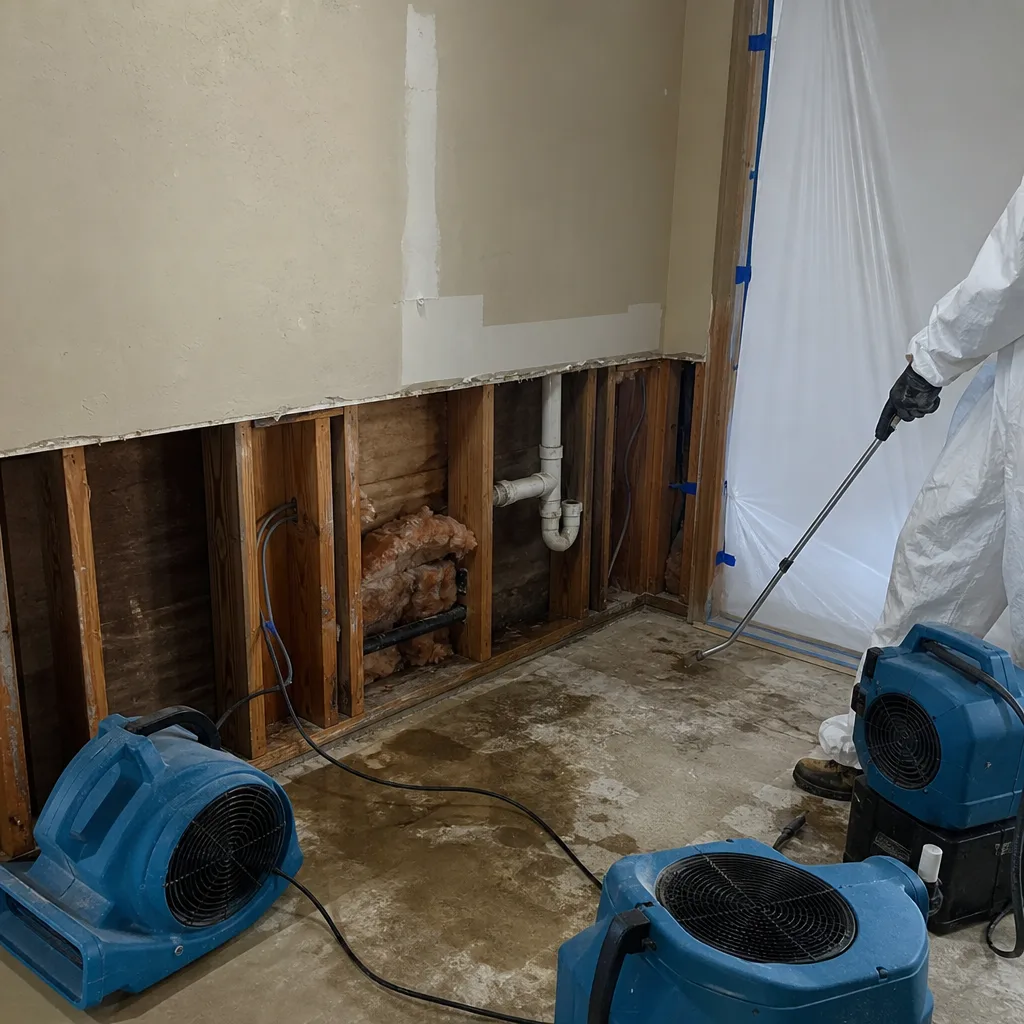
- Equipment placement. We position air movers and dehumidifiers in a calculated pattern based on the room’s cubic feet and the moisture load. Our equipment roster includes Dri-Eaz and Phoenix units, the same professional-grade brands used in IICRC-standard restoration work. Psychrometrics, the science of how air temperature, humidity, and dew point interact, drives every placement decision. In plain terms: we control the air so the air pulls water out of your structure.
- Daily monitoring. We return each day to take moisture readings, adjust equipment, and document progress. Woodland Hills heat can accelerate drying in summer, but it can also drive moisture deeper into building materials if we do not control the environment. Monitoring is not optional, and it is built into every drying job we price.
- Final verification and documentation. When moisture readings return to pre-loss levels in all affected materials, we remove equipment and give you a drying log. That log shows the equipment used, the daily readings, and the final numbers. It is formatted to support your insurance claim. If your carrier questions the drying process, the documentation answers for you.
The Garrison Code we run on: show up inside the window, price in writing, do it by the book, leave the site clean, stand behind the work for a full year. That last one is not a slogan. It is the 365-Day Done Right Promise, in writing, on every drying job.
Structural Drying & Dehumidification Pricing in Woodland Hills
Here is the honest range for water damage restoration cost in Woodland Hills, CA. These are not bids; they are planning numbers so you arrive at the phone call with realistic expectations.
- Single room, caught early (water heater in garage, small supply line leak): $1,200 to $2,400. One to two rooms, 3 to 4 days of drying, a handful of air movers and one dehumidifier.
- Multi-room event (kitchen plus adjacent hallway and living room, slab leak under main floor): $2,400 to $4,500. Involves wall cavity drying, under-cabinet drying, and possible flooring removal.
- Whole-level drying (upstairs supply line break, water traveled through ceiling into lower level): $4,000 to $7,500. Multi-day, multi-room, wood subfloor drying, and ceiling cavity access.
- Crawl space or attic drying after a roof leak: $1,500 to $3,500 depending on access and the extent of insulation replacement required.
What changes the price is the size of the affected area, how long water sat, what materials absorbed it, and whether we need to open wall or ceiling cavities to dry inside them. We do not charge more because your house is in a certain Woodland Hills neighborhood. The work is priced by square footage of affected material and equipment days, the same way every legitimate restoration company prices drying.
Every job starts with a free inspection and a written estimate. You will know the full price before we place a single piece of equipment. Call (559) 258-5719 and we will schedule a technician to assess your situation.
Structural Drying in Woodland Hills: What Makes It Different Here
Woodland Hills sits in the San Fernando Valley, which means summer daytime temperatures regularly exceed 90 degrees and relative humidity can spike during June gloom mornings. A hot, dry afternoon might make you think you can just open windows and let nature dry things out. But Woodland Hills nights cool down fast, and that temperature swing creates condensation inside wall cavities and under flooring. What evaporates during the day re-condenses at night. That is why uncontrolled air drying in our climate often leaves moisture trapped exactly where it causes the most damage.
Hillside homes add another layer. Homes built into slopes often have split-level construction where water from an upper-level leak travels down through multiple floor assemblies before it shows up on a ceiling, making basement water removal and multi-level drying necessary. By the time you see the stain, the moisture has passed through framing in two or three rooms. Our drying plans in those homes account for that vertical movement. We use Phoenix desiccant dehumidifiers on jobs where conventional refrigerant dehumidifiers cannot hit the low humidity levels needed to dry dense hardwood or plaster, which is common in older Woodland Hills construction.
We also see a lot of water heater failures in attached garages, especially in neighborhoods off Ventura Boulevard where homes were built in the 1960s and 1970s. Those water heaters sit on platforms against shared walls. When one fails, water runs under the wall plate into the living space. The fix is not just extraction; it is directed air movement under the wall cavity and drying of the drywall from both sides. We have done enough of these to know exactly where to place equipment on day one, and we monitor readings to confirm it worked before we pull equipment.
Why the Equipment Matters
You can rent a blower fan from a big-box store for $40 a day. It will move air. It will not dry framing. Structural drying requires calculated air movement measured in cubic feet per minute, paired with dehumidification that removes water vapor from the air faster than evaporation adds it. Our Dri-Eaz and Phoenix equipment is built for this, with documented performance curves, and our technicians are trained in the standards set by the IICRC, RIA, and IFA. The difference is not branding. It is the difference between a dry surface and a dry structure.
If surface drying was enough, you would not need us. The reason structural drying exists as a trade is that water trapped inside building materials causes failure: warped hardwood, cracked drywall seams, swollen door frames, and mold in wall cavities that you cannot see until it is a much larger problem. Running professional-grade equipment for the right number of days, with daily moisture readings, is the only way to confirm the structure is actually dry.
Insurance and Documentation
Most Woodland Hills homeowners file an insurance claim when water damage affects more than one room. Your carrier will ask for documentation: where the water came from, what was affected, what equipment ran where, and what the daily moisture readings showed. Without that documentation, your adjuster has every reason to push back. With it, the claim moves forward.
We document every drying job as we go. The moisture map, the equipment placement plan, the daily readings, the final verification numbers. It is all formatted to support your insurance claim, not to make you do extra work. This is one area where running to The Garrison Standard means something concrete: the paperwork is part of the job, not an afterthought.
FAQs – Structural Drying & Dehumidification
How long does structural drying take in Woodland Hills?
Most structural drying jobs in Woodland Hills take 2 to 5 days depending on the size of the affected area, the materials involved, and how long water sat before drying started. We will give you a written estimate of the drying timeline during the initial inspection, and we update that estimate based on daily moisture readings. If you need a faster answer for your specific situation, call (559) 258-5719 and we will talk you through it.
Can I dry it myself with fans and open windows?
If the water was clean, the affected area is small, and you caught it within the first hour, you may be able to dry it with household fans. But once water has moved into drywall, under flooring, or sat for more than 24 hours, household drying will leave moisture trapped where mold grows. Woodland Hills temperature swings make this worse because moisture re-condenses inside wall cavities overnight. If you are unsure, call us and describe the situation. We will tell you honestly whether you need professional drying.
How much does structural drying cost in Woodland Hills?
Structural drying in Woodland Hills typically costs between $1,200 and $7,500 depending on the size of the affected area, how long water sat, and whether wall or ceiling cavities need to be opened. A single room caught early is on the lower end; whole-level water migration is on the higher end. Every job starts with a free inspection and a written estimate so you know the exact price before we start. Call (559) 258-5719 for an exact quote.
What happens if the drying does not work or moisture returns?
If moisture returns or drying fails within one year, we come back and correct it at no charge. That is the 365-Day Done Right Promise, and it is in writing on every job. The guarantee covers the drying work we performed. If the moisture source returned because of a new leak, that is a new event, but we will document what we found and help you address it.
Do you work with insurance companies?
Yes. We document every drying job with moisture readings, equipment logs, and photos formatted to support your insurance claim. We have worked with most major carriers on Woodland Hills water damage claims. You pay your deductible, and we handle the documentation your adjuster needs.
Call Keegan Restoration Woodland Hills
If you have standing water, wet drywall, or a water event that happened more than a day ago, call (559) 258-5719 now. A live person answers, any hour, including nights, weekends, and holidays. We will help you determine whether structural drying is needed, walk you through what to expect, and schedule a technician to assess your property. The estimate is free, the price is in writing before we start, and the work is backed for a full year. This is home restoration done right.
Written by Shane Pruitt, Owner at Keegan Restoration Woodland Hills, serving Woodland Hills.