
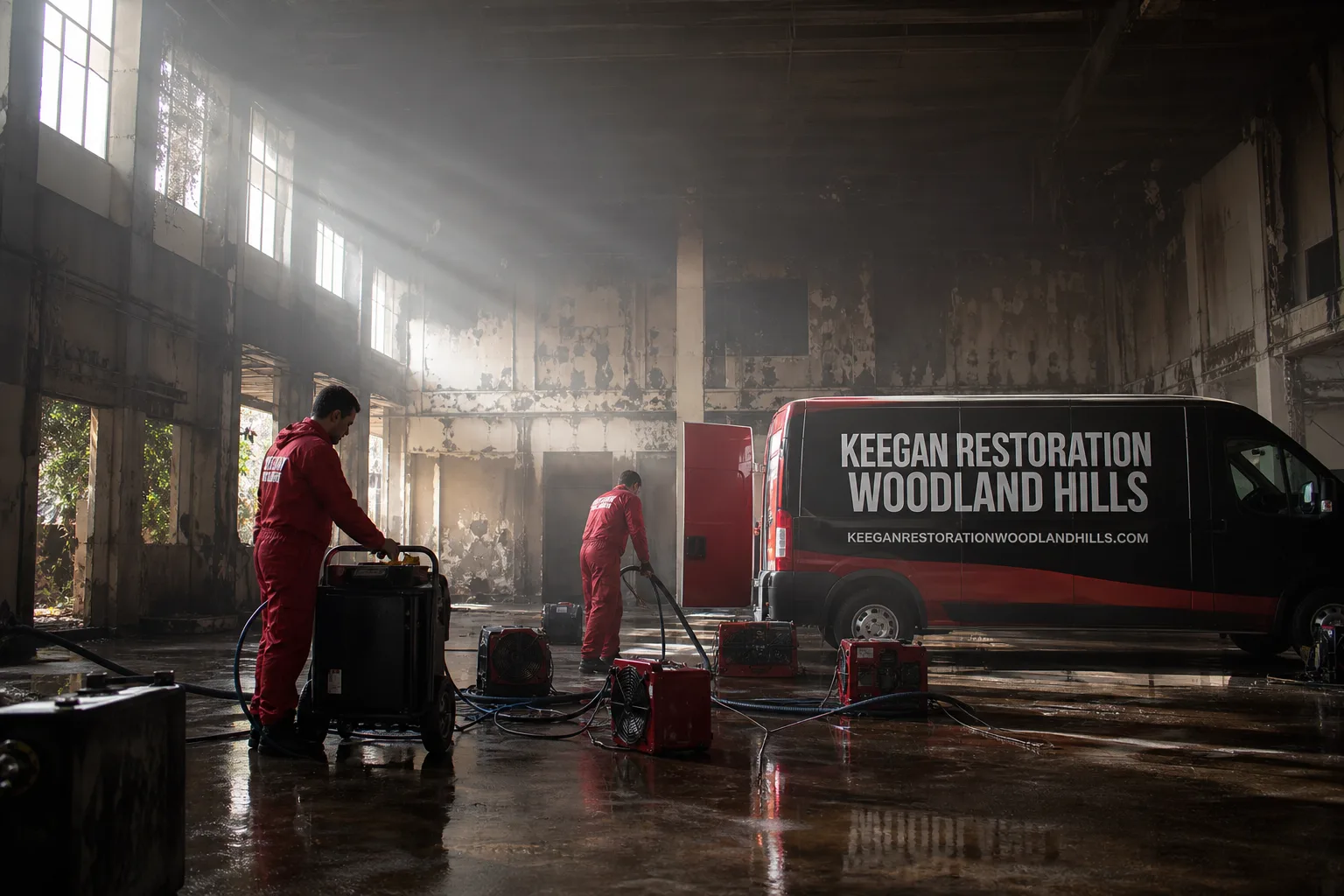
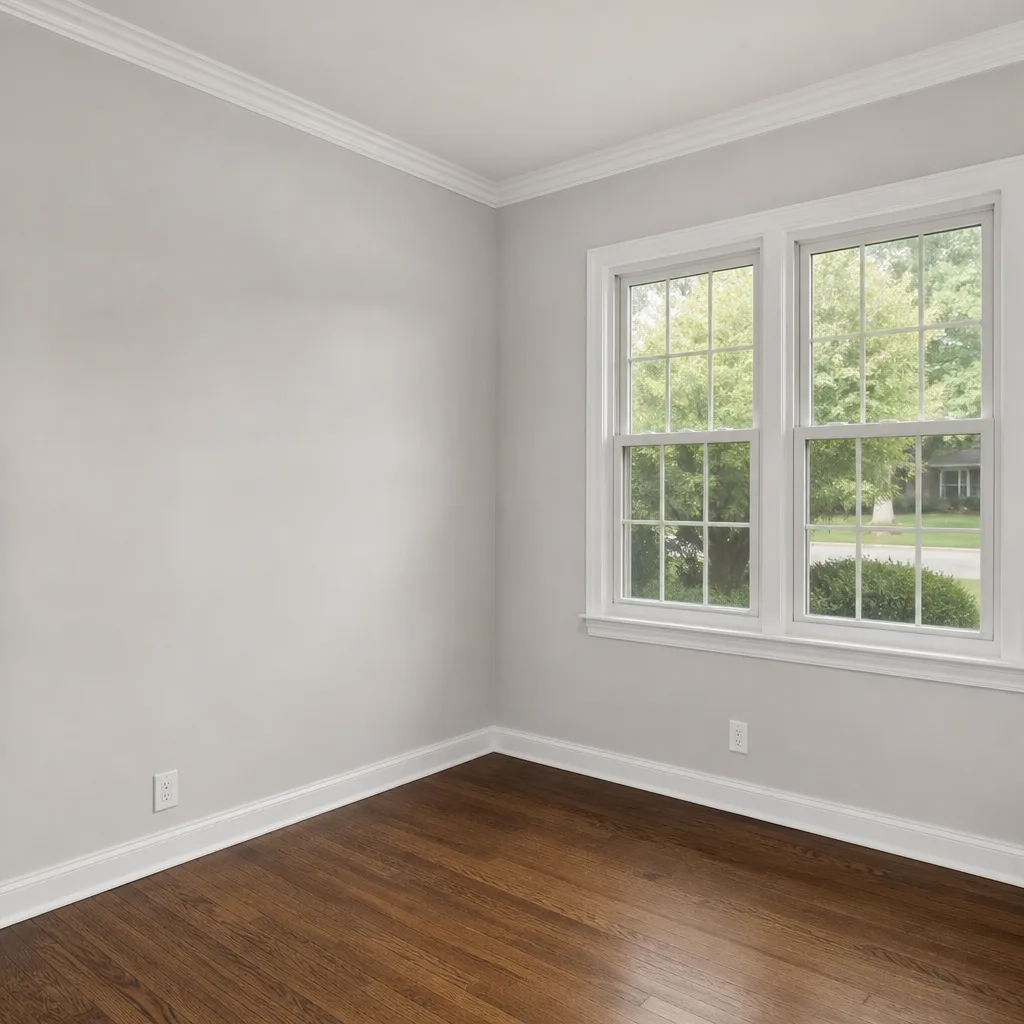
 Mold remediation
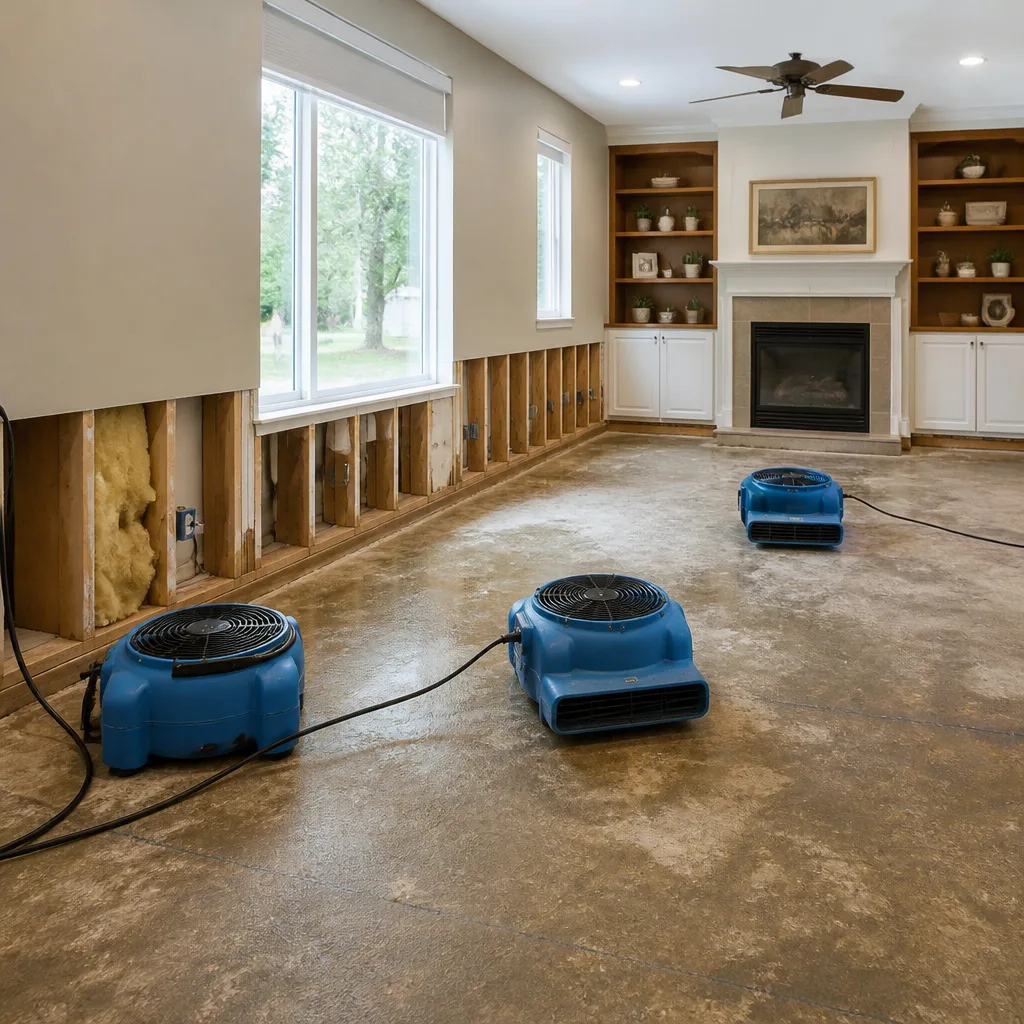 Water damage drying
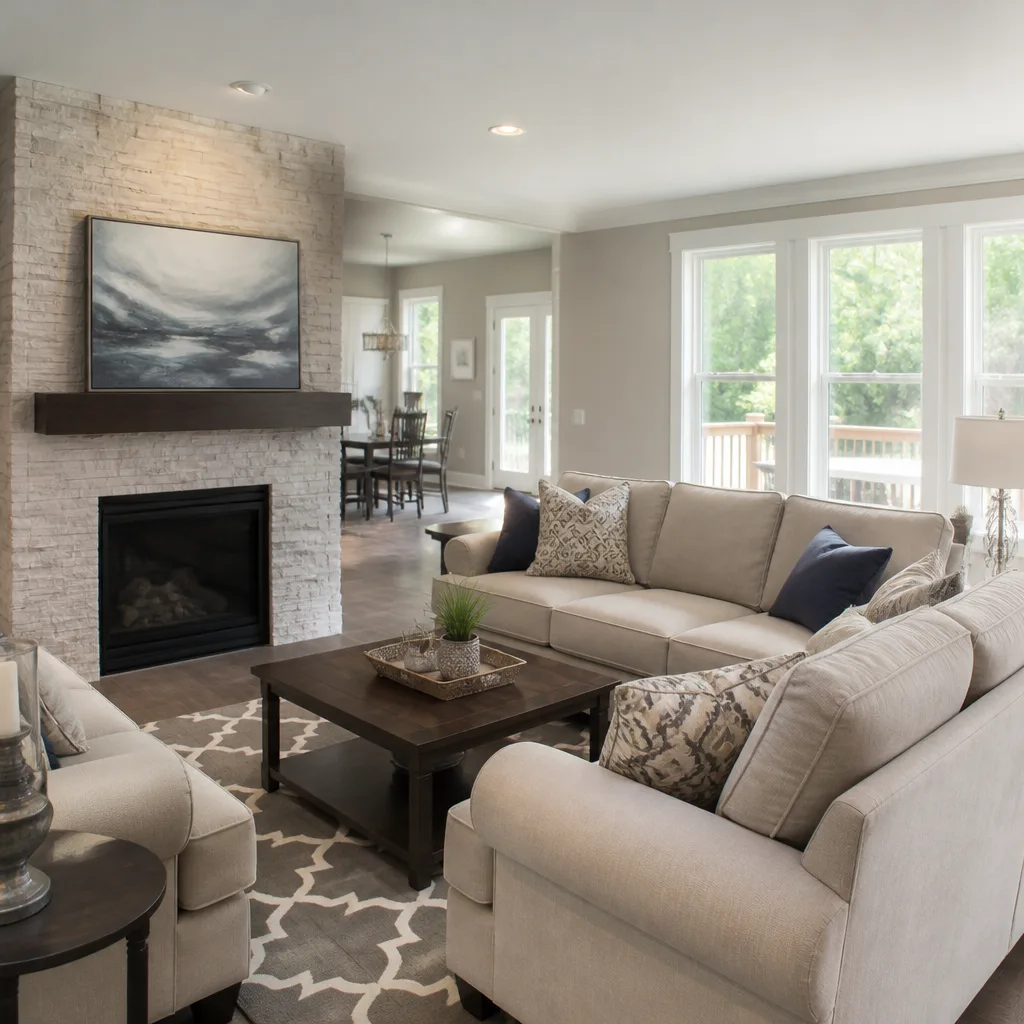 Fire & smoke cleanup
 Storm response
 Sewage cleanup
 Reconstruction
Free visual inspection and a written scope of work before any mitigation begins - photos, moisture readings, and drying logs go in your claim file
The scope we write is the scope we bill. Anything new gets shown to you, in writing, before we touch it.
Get your free estimateFast, Reliable Mold Remediation Across Topanga
Mold in a Topanga home moves fast, especially in older hillside houses built into slopes where moisture never fully leaves the crawlspace. If you see black staining on drywall, smell something earthy in a hallway, or every rainstorm leaves your lower level feeling damp, don’t wait. Our crews know Topanga’s roads, its septic systems, its well water, and its particular pattern of moisture problems. We’ve done Mold Remediation in Fernwood, along Old Topanga Canyon Road, and up on Saddle Peak, and we answer the phone at (559) 258-5719 around the clock.
Why Keegan Restoration Woodland Hills Is Topanga’s Preferred Mold Remediation Company
Topanga homeowners have a different standard than most of Los Angeles. The houses are older, the lots are steep, and the nearest service yard is not around the corner. That means the company you hire has to know how to work with a generator when the power is out, how to get equipment up a switchback driveway, and how to distinguish problem moisture behind 1960s plaster from what a normal Los Angeles drywall job sees.
Keegan has been part of the Garrison Partners family since 2005, and every job runs to The Garrison Standard: written price before work starts, background-checked uniformed technicians, and a 365-Day Done Right Promise in writing. For Topanga specifically, that means a crew that shows up inside the window, knows the roads, and has already planned for the terrain. A live person answers our line 24/7, which matters when you first notice mold at 10 p.m. on a Saturday in Topanga, not Woodland Hills.
Restoration work we handle
Black Mold Removal in Topanga
Black mold removal in Topanga usually means more than cutting out drywall. In most Topanga homes, the moisture source sits uphill of the colony: a failing drainage line, a secondhand retaining wall, a clogged hillside weep, or a septic line that backed up into a crawlspace. If we remove the mold but leave the hill draining toward your foundation, the colony returns in a few weeks. We find the moisture first, document it with moisture mapping, and then write the scope. Black mold removal in Topanga typically runs $2,800 – $6,500 depending on square footage and whether the affected framing is accessible from the crawlspace. Small isolated jobs, like a single bathroom wall with confirmed dry rot, can land near $1,800.
When Black Mold Means Full Containment
If a Topanga home has black mold covering more than about 10 square feet, or if the colony sits in a forced-air return path, we set containment with negative air. That means plastic barriers, HEPA filtration, and a pressure differential that keeps spores from moving into the rest of the house while we work. It adds roughly $1,200 – $2,000 to the job, but it is non-negotiable for a safe clear-out of an occupied home.
Septic-Backup Mold in Hillside Crawlspaces
Topanga’s septic lines sit on slopes, and when a winter rain saturates the ground, older systems can overflow into the built-in crawlspace between the hillside and the first floor. That water is Category 2 at minimum, and if it has sat there overnight, we treat it as Category 3. Drying is only part of the work; the bigger part is antimicrobial treatment on the framing and subfloor.
Mold Removal Contractor in Topanga
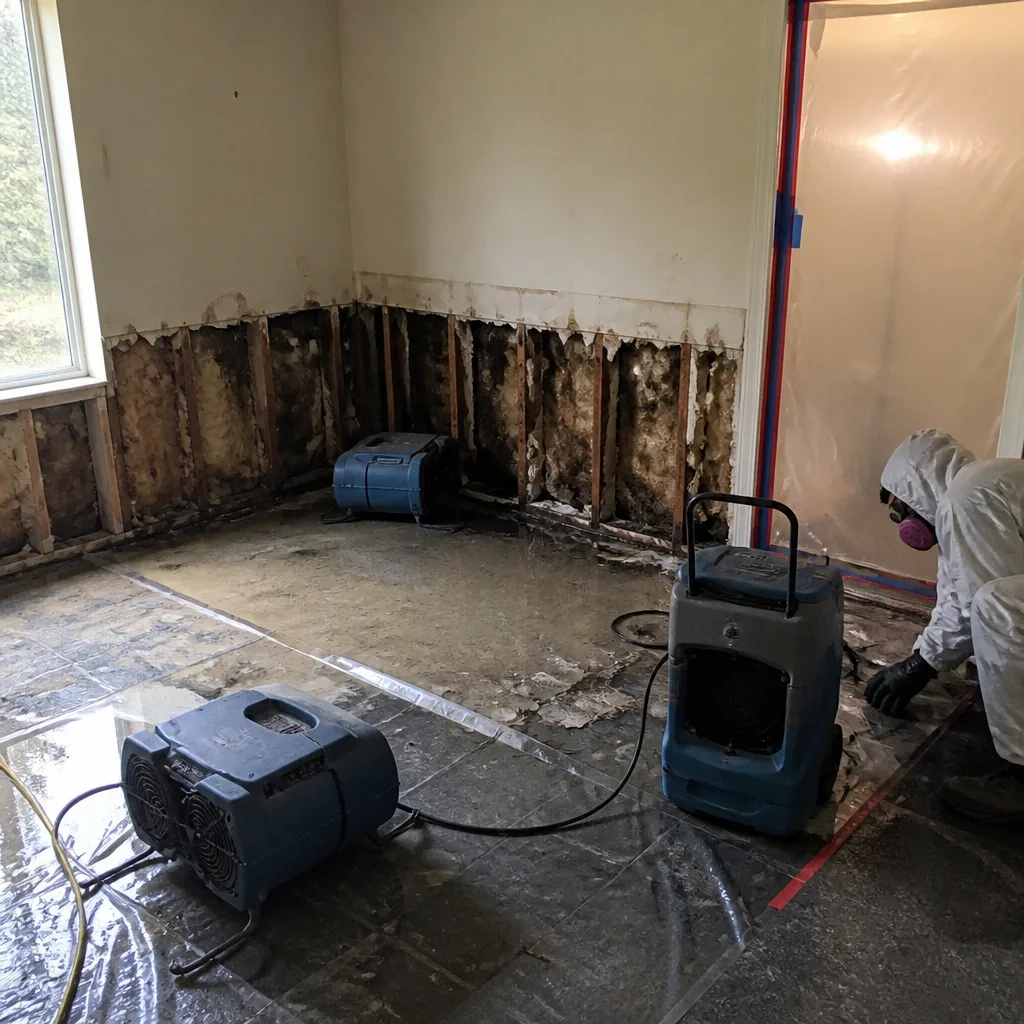
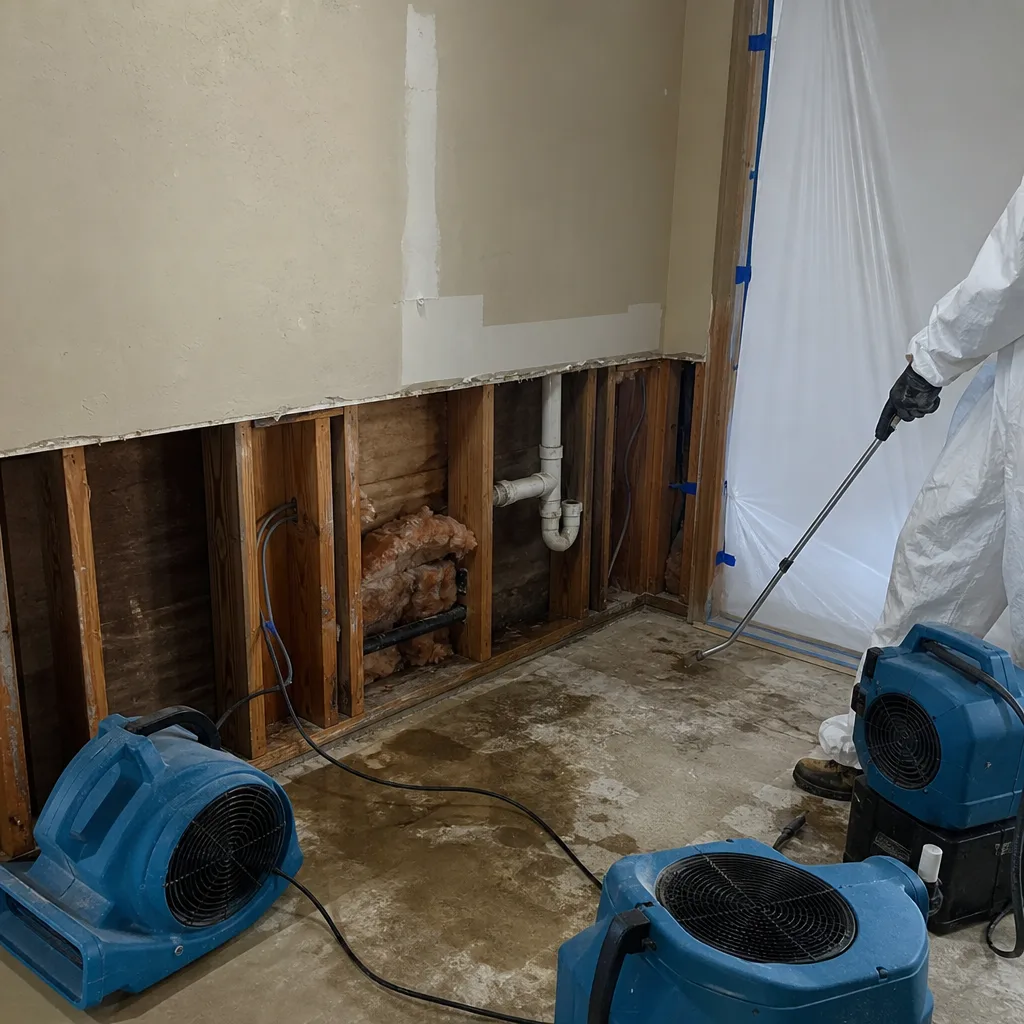
A mold removal contractor in Topanga has to plan around what a flat-land contractor never thinks about: a service truck that cannot park, hydrants that do not exist, and a plywood subfloor from 1974 that has never fully dried at the joist level. Our crew did a black mold removal in the Fernwood area after a winter rain overwhelmed an old septic line into a crawlspace built into the hillside. We set containment with negative air, ran Phoenix dehumidifiers and air movers off a generator because the driveway was too steep for a service truck, and used moisture mapping to show the owner that the 1970s plywood subfloor had to go; antimicrobial treatment on the framing saved the rest. In Topanga, mold removal typically runs $1,800 – $4,500 for a defined room or crawlspace, and $7,000 – $15,000 for whole-house contamination tied to a septic or roof failure.
Written Scope Before Tools Come Out
Before any work starts, you get a written scope: what we remove, what we treat, what we replace, and the cost. Nothing moves at the door. In Topanga especially, where half the projects reveal additional hidden damage once the old drywall comes down, that written baseline is the only thing that protects you from a moving target. Change orders happen only with your signature.
Photo Documentation for Your Insurer
From the first moisture reading to the final clearance test, we photograph and log everything. If your Topanga home carries a homeowners policy that covers mold from a sudden water event, our documentation is already formatted to hand to your adjuster. You do not have to reconstruct the story later from memory.
Trusted Brands We Service in Topanga
Topanga homes carry a mix of old and new equipment, even inside the moisture-control world. We stock and service the brands we trust, including Dri-Eaz, Phoenix, and XPOWER for drying and air movement, and we run our work in compliance with IFA, IICRC, and RIA standards. When we spec a dehumidifier for a Topanga job, we are not guessing; we size it to the cubic footage, the plaster thickness, and the outdoor humidity. If a Phoenix unit fails mid-job, we bring another from our own inventory, not a rental yard two hours away. For Topanga customers, that means no job sits half-dried because a piece of equipment went down at 9 p.m. on a canyon road.
See the difference
 Before
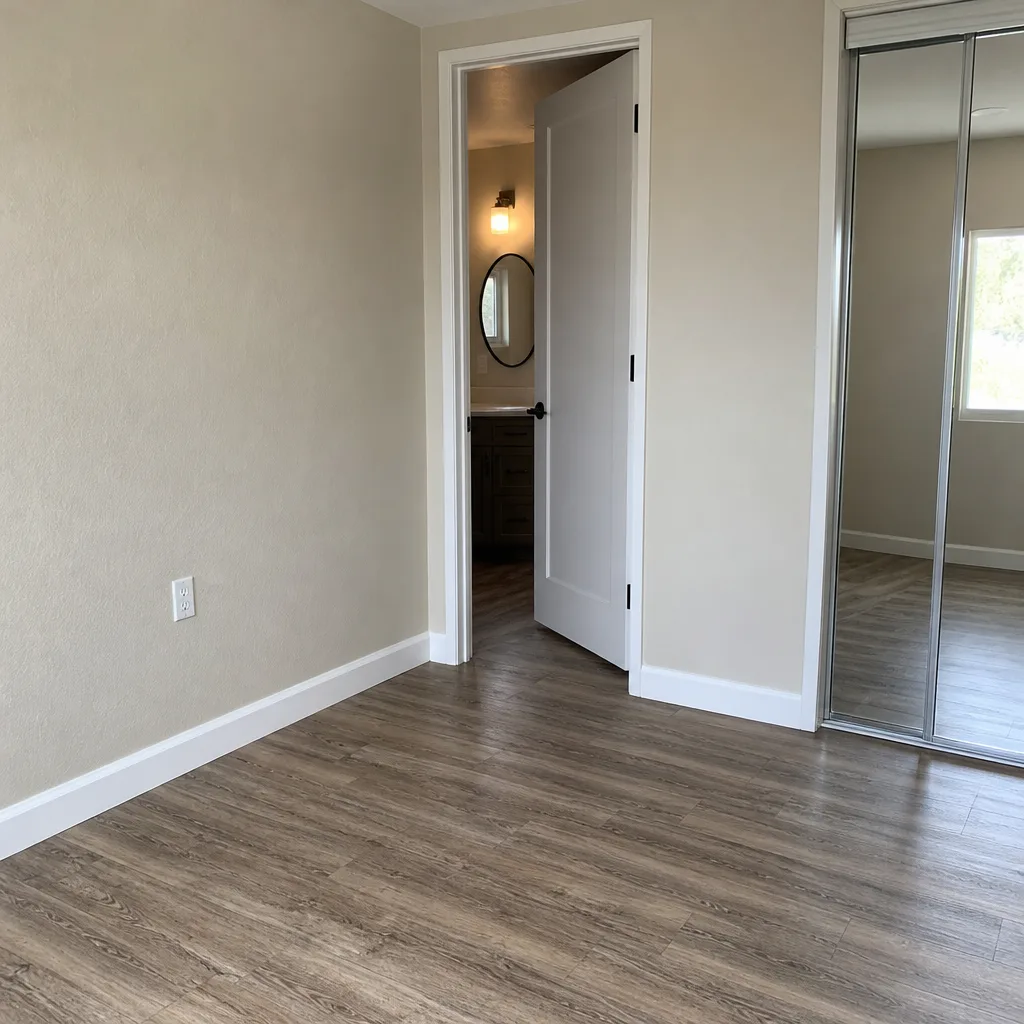 After
After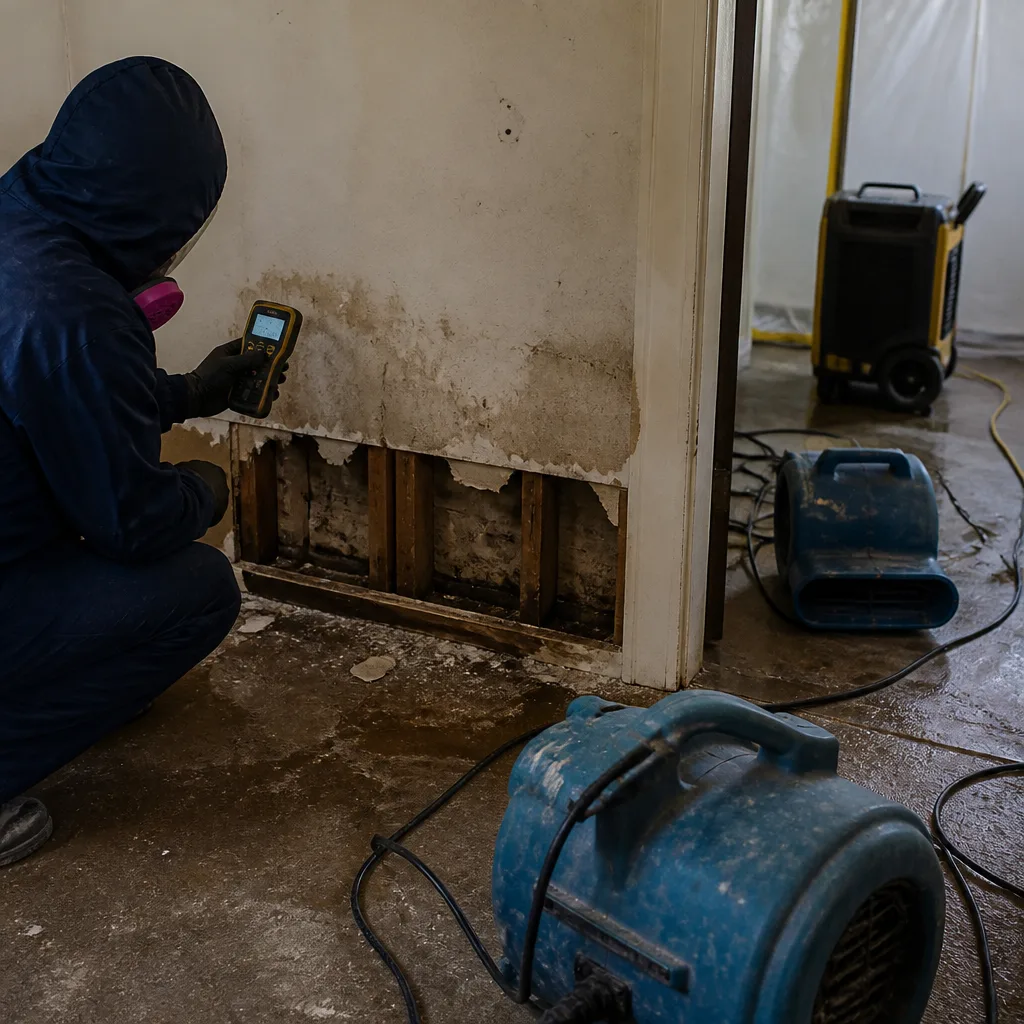 Before
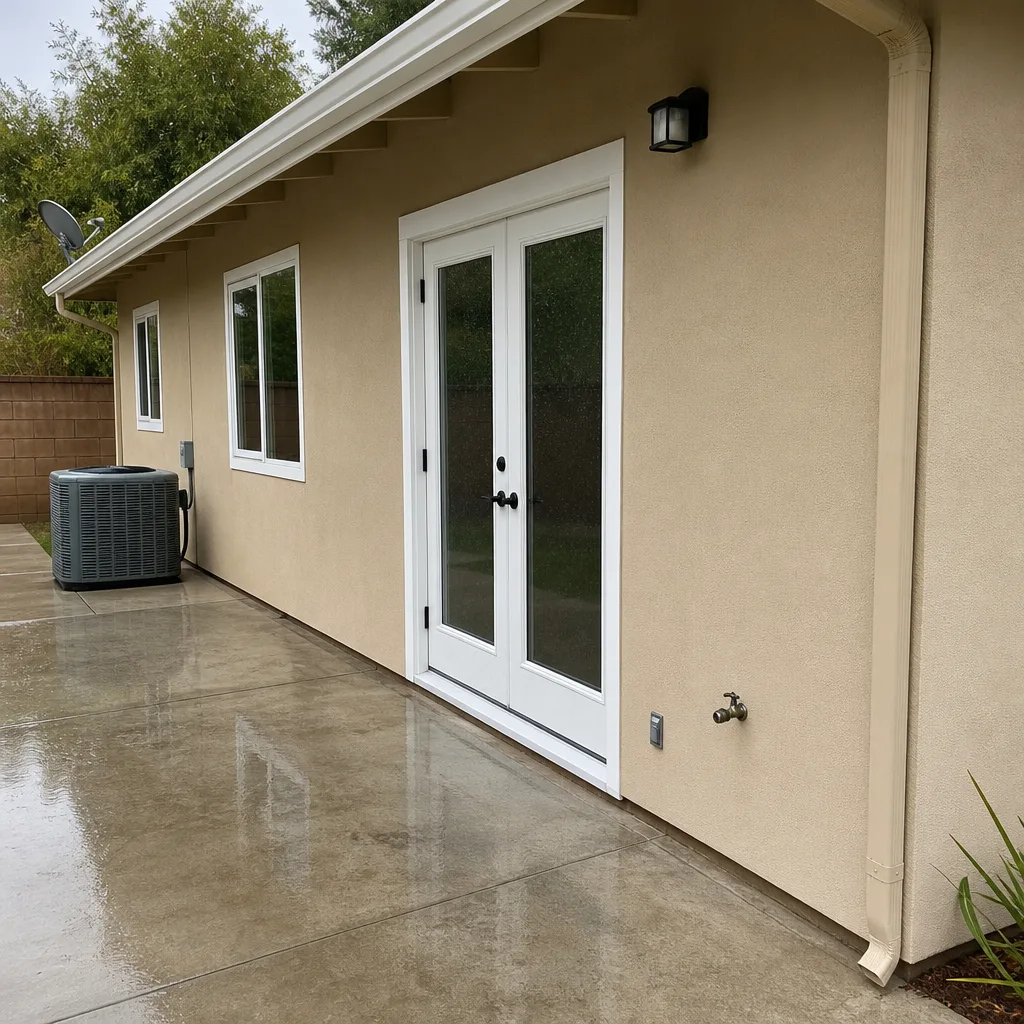 After
After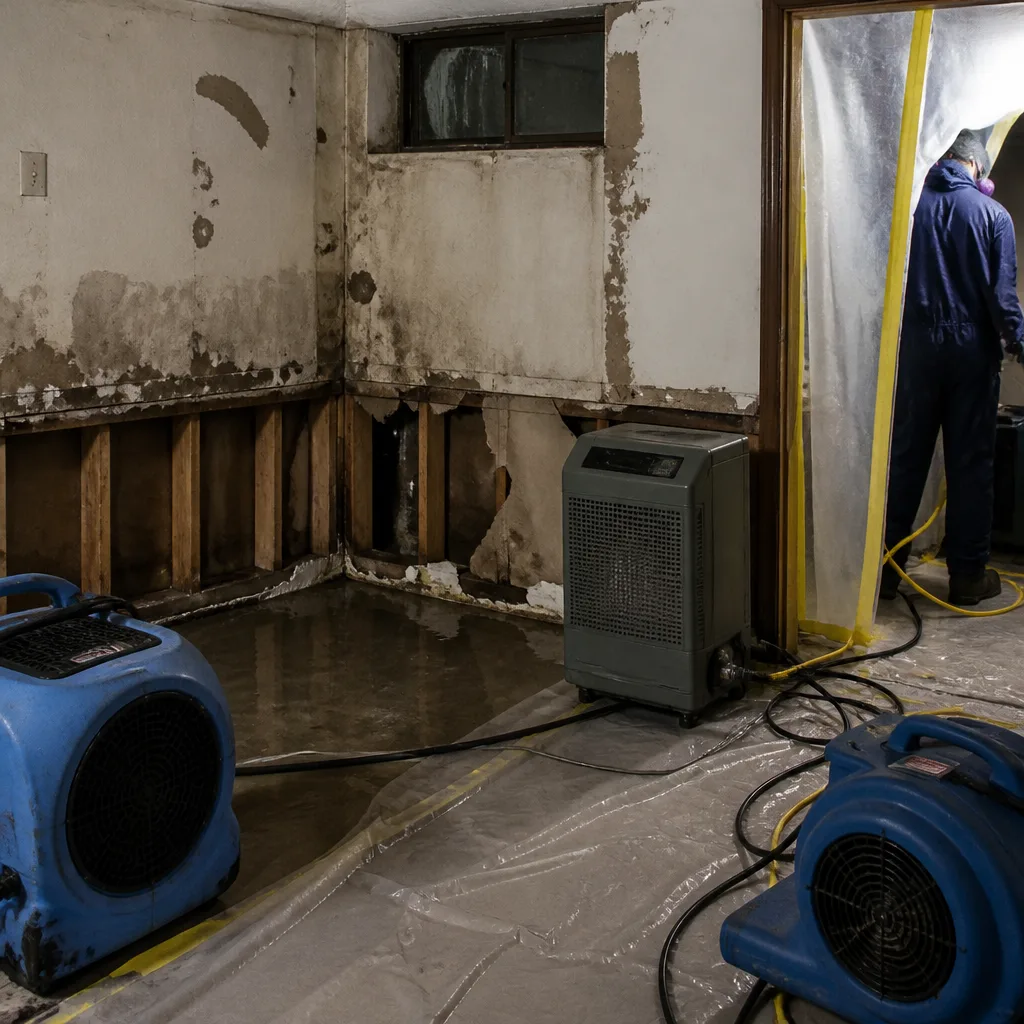 Before
 After
AfterCommon Mold Remediation Problems We See in Topanga Homes
- Remediating visible mold on drywall without checking the adjacent hillside weep system. The surface looks clean after removal, but moisture keeps wicking through the foundation, and the colony returns within weeks. In Topanga, the hill is usually the source; the wall is just the symptom.
- Using standard drying targets on thick 1960s plaster-and-lath walls. Surface probes read dry while the plaster stays at 20% moisture content an inch deep. Hidden regrowth behind baseboards is common, and homeowners only find it when the paint starts bubbling months later.
- Failing to coordinate with LA County Fire on water supply during a wildfire response. If a fire operation uses local water, hydrant or tank pressure can drop mid-job, and a half-dried structure just sits there. We have run full drying jobs on generators when the water gave out, and we plan for that from the first day.
- Treating all Topanga mold as a single source problem. In hillside homes, there are usually two or three moisture inputs, not one: a septic line, a roof valley, and a foundation weep. Fix one and the others just keep feeding the colony.
Pricing for Mold Remediation in Topanga, CA
Topanga mold remediation pricing is driven by square footage, source water category, and access. A bathroom wall with a confirmed plumbing leak behind it runs $1,800 – $3,200. A crawlspace with category 2 water from a septic backup runs $3,500 – $6,800 including containment and antimicrobial treatment on framing. A whole house contaminated after heavy winter rains or firefighting water runs $9,000 – $18,000, with additional structural work priced separately after we open the walls. The written estimate is free, and it includes a moisture map of the affected area so you know exactly why the number is what it is. Call (559) 258-5719 for a real number based on your home, not a phone pitch.
We Also Serve Cities Near Topanga
Our crews serve Mold Remediation in Topanga and the neighboring communities across the hills: Woodland Hills, Calabasas, Tarzana, and Pacific Palisades. If you’re just over the county line or down the canyon, the same written-scope process and 365-Day Done Right Promise applies.
Serving Topanga, CA - Our Local Coverage Area
We’re based in the Topanga area and know this community well. Use the map below to see our service coverage - if you’re nearby, we can almost certainly help.
FAQs About Mold Remediation in Topanga
Topanga has no hydrants in many areas, which means firefighting water pressure fluctuates during a large wildfire or even a single-structure response. For mold remediation, that creates a structure that is soaked but only partially dried, because half of the water came from hose lines near the end of the event. We plan generator-dependent drying from the start and coordinate with LA County Fire on water availability before we set equipment. Call (559) 258-5719 if you’re looking at a fire-damaged Topanga home with water sitting in it.
Water from a flooded septic system is Category 3, or grossly contaminated, the moment it mixes with sewage. Well water that merely backed up from a mechanical failure might be Category 1 or 2 depending on how long it sat. In practice, for a Topanga crawlspace, we treat any septic-sourced water as Category 3 and remove porous materials like drywall, insulation, and some floor coverings rather than trying to dry them. The framing gets antimicrobial treatment and structural drying afterward.
Yes, it almost always returns. The drywall is not the source of the mold; it is the point where the moisture reached the interior surface. If the hillside weep or drainage line still pushes water toward the foundation, the new drywall just becomes the next colony site. We include drainage assessment in every Topanga mold scope for exactly this reason. The first line of defense against mold is keeping water out of the envelope.
Yes. We run Phoenix dehumidifiers and XPOWER air movers off portable generators when the driveway slope blocks a service truck, and we use smaller-profile equipment we can carry up steps or across a hillside in sections. That is standard for us on Topanga jobs, not an exception. The drying target changes too: hillside rooms with dirt-floor crawlspaces need longer run times and lower grain depression than a flat, slab-foundation home in the Valley.
Mold can start within 24 to 48 hours in the warm, dark conditions typical of a Topanga crawlspace after a winter rain. Mudslide water carries organic debris and often sits in the crawlspace for days before anyone notices, which accelerates the timeline. If you can see water staining or smell damp soil inside your house after a slide, call (559) 258-5719 the same day. The faster we start extraction and drying, the less wall material has to come out.
Written by Shane Pruitt, Owner at Keegan Restoration Woodland Hills, serving Topanga since our crews first started running generator-dependent drying jobs in the canyon. This page reflects the conditions we see on the ground, not a template.