
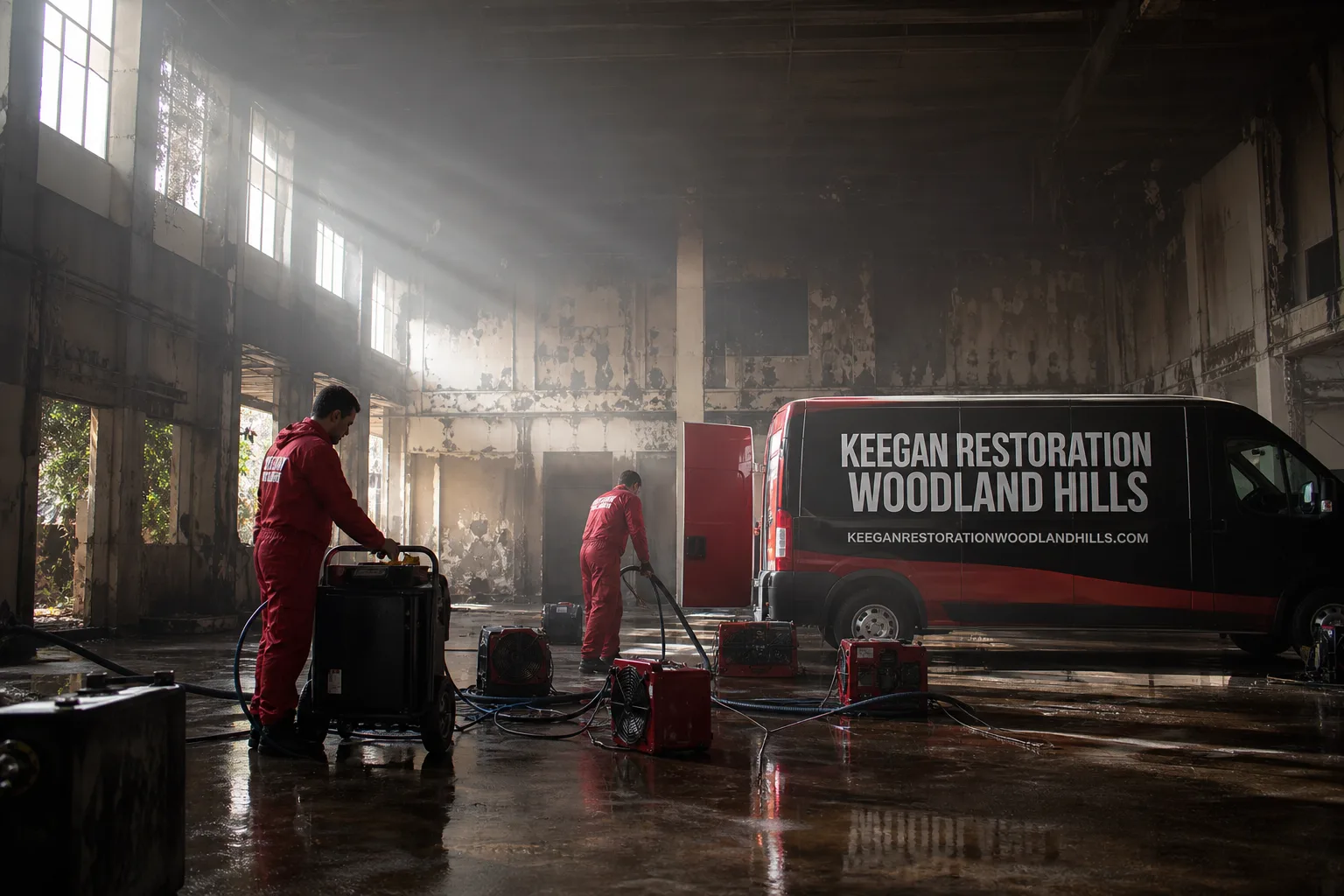
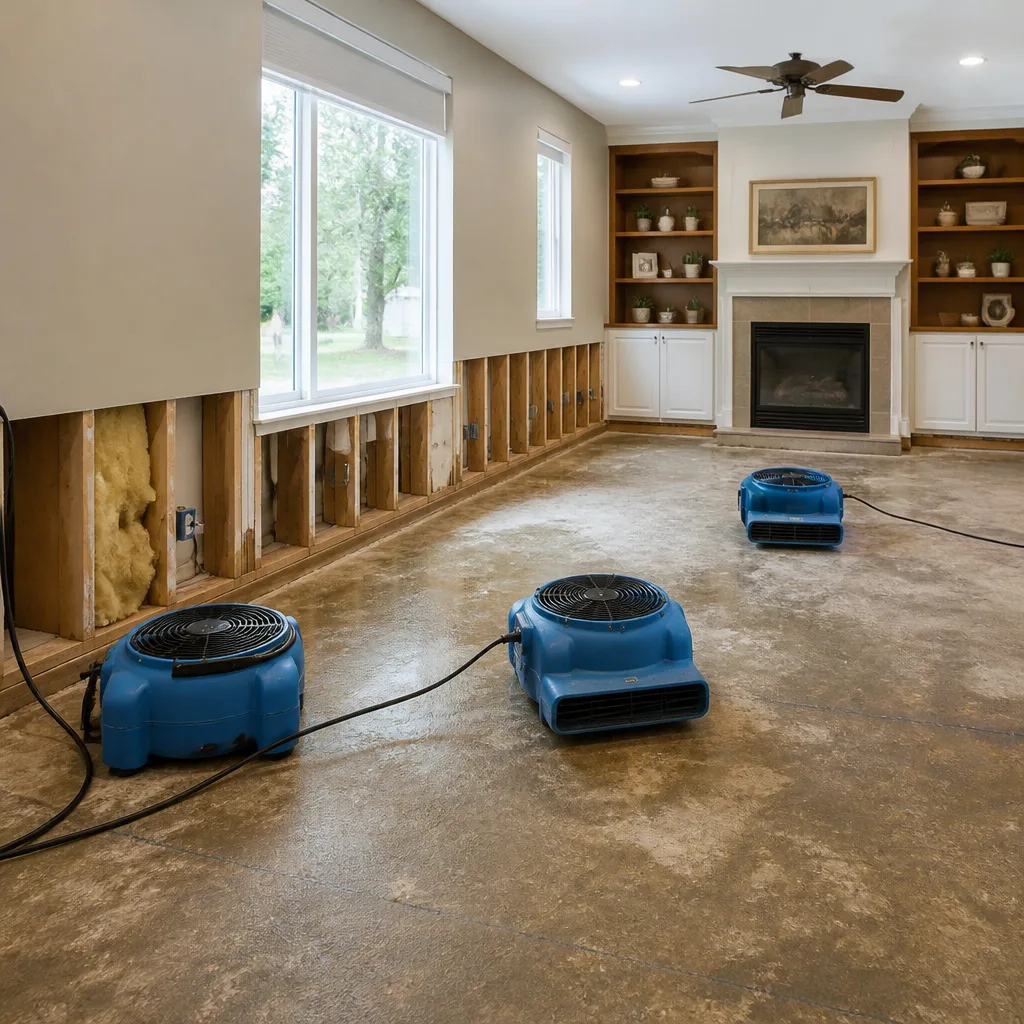
 Water damage drying
 Fire & smoke cleanup
 Mold remediation
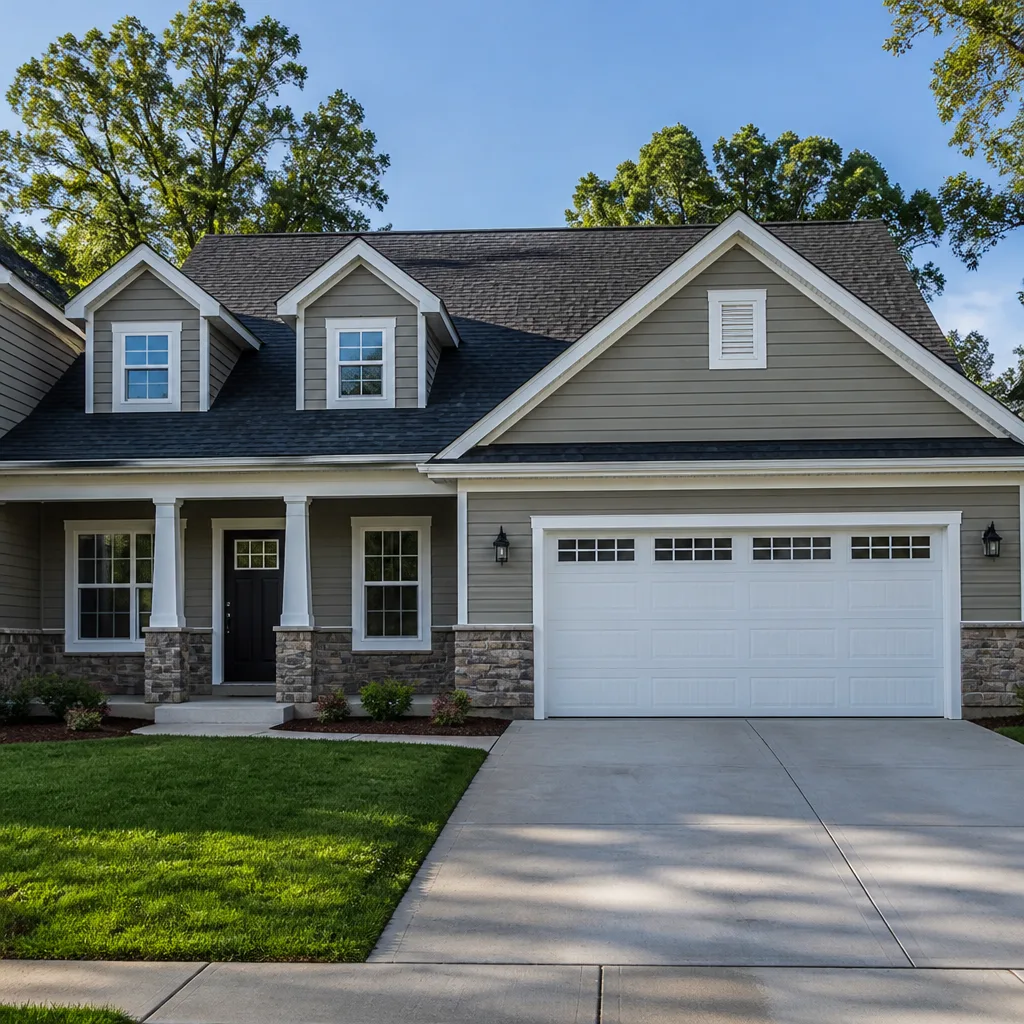 Storm response
 Sewage cleanup
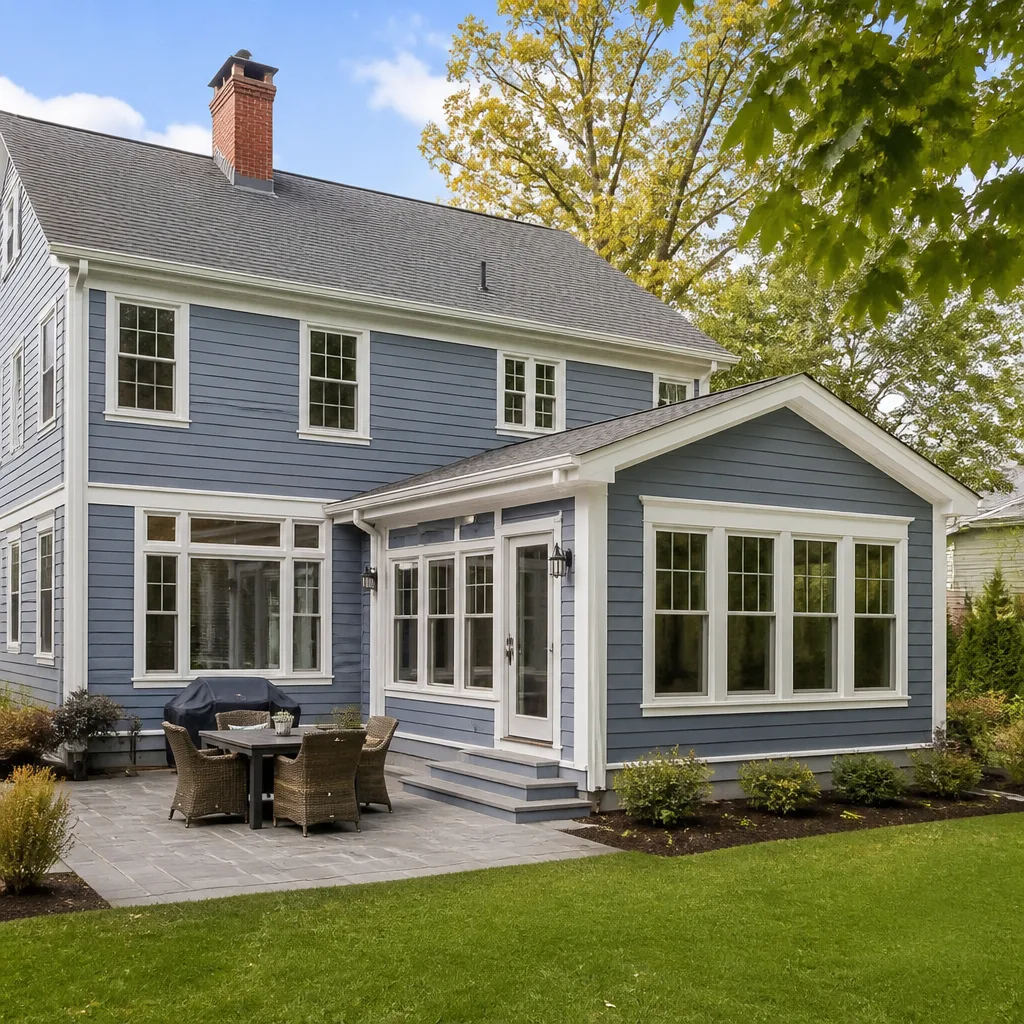 Reconstruction
Free visual inspection and a written scope of work before any mitigation begins - photos, moisture readings, and drying logs go in your claim file
The scope we write is the scope we bill. Anything new gets shown to you, in writing, before we touch it.
Get your free estimateFast, Reliable Water Damage Restoration Across West Hills
Water damage in West Hills moves fast, and the first few hours decide whether you’re facing a dry-out or a rebuild. Most water damage restoration calls in West Hills run between $1,800 and $4,500 depending on how far the water traveled and what it soaked into. Our crews reach West Hills within 60 to 90 minutes for emergency extraction, and every job starts with a written price before any equipment comes off the truck. Call (559) 258-5719 and a live person answers, day or night.
We know West Hills not as another stop on a route, but as a place with its own failure patterns. The homes here, mostly wood-frame stucco built between the 1960s and the 1980s, sit against the Simi Hills on one side and open chaparral on the other. That geography means a winter storm and a Santa Ana wind event create two entirely different water damage problems in the same week. One floods crawlspaces. The other drives ash into attics. Both require a crew that knows which side of the boulevard they’re standing on.
Why Keegan Restoration Woodland Hills Is West Hills’s Preferred Water Damage Restoration Company
Keegan Water Damage Restoration operates as part of the Garrison Partners family, and every West Hills job runs to The Garrison Standard: the price goes in writing before work starts, technicians arrive background-checked and in uniform, and every repair carries the 365-Day Done Right Promise. If our work fails within one year, we return and make it right at no charge. That’s in writing, on every job, no exceptions.
Shane Pruitt leads our crew, and the standard he set is simple: show up inside the window, explain the work in plain language, document everything, and leave the site cleaner than we found it. West Hills homeowners have told us, more than once, that they’ve been burned by contractors who moved the price at the door or sent whoever was available. We don’t do either. The technician you meet is the technician doing the work, and the scope you sign is the scope you pay.
Our equipment roster includes Dri-Eaz extraction units, Phoenix air movers, and XPOWER dehumidifiers, the professional-grade brands used in IICRC-standard restoration work. Every reading, every photo, and every drying log entry is formatted to support your insurance claim. If you’re filing, you’ll have a documented scope of loss and a moisture map your adjuster can actually read.
Restoration work we handle
Water Mitigation in West Hills
Water mitigation in West Hills means stopping the damage at its source, extracting standing water, and controlling the drying environment before secondary damage sets in. In a West Hills home, mitigation is what we do in the first 24 to 72 hours after a pipe leak, roof breach, or slab intrusion. The goal is to get the structure back to a stable moisture level before mold has a chance to colonize behind drywall or under flooring. Expect to pay between $1,200 and $3,800 for a standard mitigation job in West Hills, with the higher end covering multi-room extraction and structural drying.
What Mitigation Actually Involves
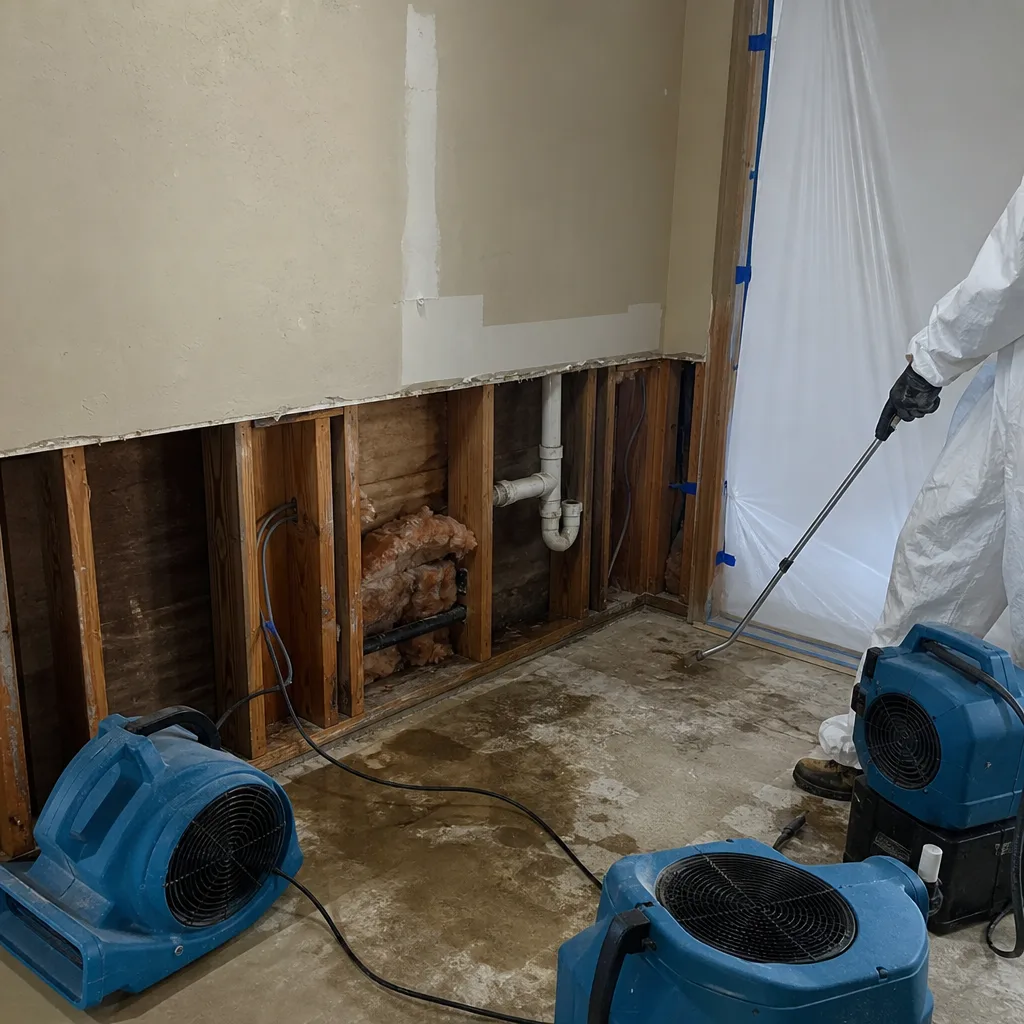
We start with a moisture map using thermal imaging and penetrating meters, so we’re not guessing where the water went. Then we extract with truck-mounted or portable Dri-Eaz units, set containment if the water is contaminated, and place Phoenix air movers and dehumidifiers to pull moisture from the air and the structure. The drying chamber is monitored daily with psychrometric readings, and we don’t pull equipment until the numbers prove the job is done.
When Mitigation Isn’t Enough
If water sat for more than 48 hours, or if the source was sewage or exterior floodwater, mitigation alone won’t restore the home. In those cases we document everything, recommend the correct scope of restoration, and put that recommendation in writing before any tear-out begins. A West Hills homeowner should never be pushed into demolition without a documented reason and a written price.
Flooded Basement in West Hills
A flooded basement in West Hills almost always traces back to one of two causes: a failed sump or drainage system during a heavy rain, or a slab leak from aging copper and galvanized supply lines. The homes here, many built in the 1960s and 1970s, are now at the age where original plumbing fails from the inside out. A flooded basement in West Hills typically costs between $2,000 and $6,000 for full extraction, drying, and antimicrobial treatment, with the range driven by how long the water sat and whether finished surfaces need removal.
The North Side of the Boulevard Problem
Homes on the north side of West Hills’s main boulevards sit at the base of the Simi Hills, and after a heavy rain, runoff from the slopes finds its way into crawlspaces and lower levels. We’ve seen basements flooded not by a plumbing failure, but by hillside water stacking against a foundation wall and pushing through vents or cracks. That’s why our crew’s instructions for any West Hills basement call include checking the drainage path on the uphill side of the house before we even start the extraction.
Sump Failure and Storm Surge
When a winter storm drops an inch of rain in an hour, the lower-lying streets near creeks and washes in West Hills can overwhelm sump pumps that worked fine for years. A pump rated for normal groundwater can’t keep up with storm surge, and the basement takes on water fast. We carry replacement sump and drainage components on the truck, and we document the pre-existing condition of the pump and the basin for your insurance file.
Trusted Brands We Service in West Hills
We service and operate equipment from Dri-Eaz, Phoenix, and XPOWER, the same brands IICRC restoration professionals rely on nationwide. West Hills homeowners benefit from that standard because the equipment matters, a Dri-Eaz extraction unit pulls water at a rate a box-store wet vac simply can’t match, and Phoenix air movers are engineered for the kind of directed airflow that dries wall cavities and subfloors. We keep replacement parts and filters stocked for these units, so a West Hills job doesn’t stall waiting on equipment. The brands your restoration contractor runs tell you how seriously they take the trade.
See the difference
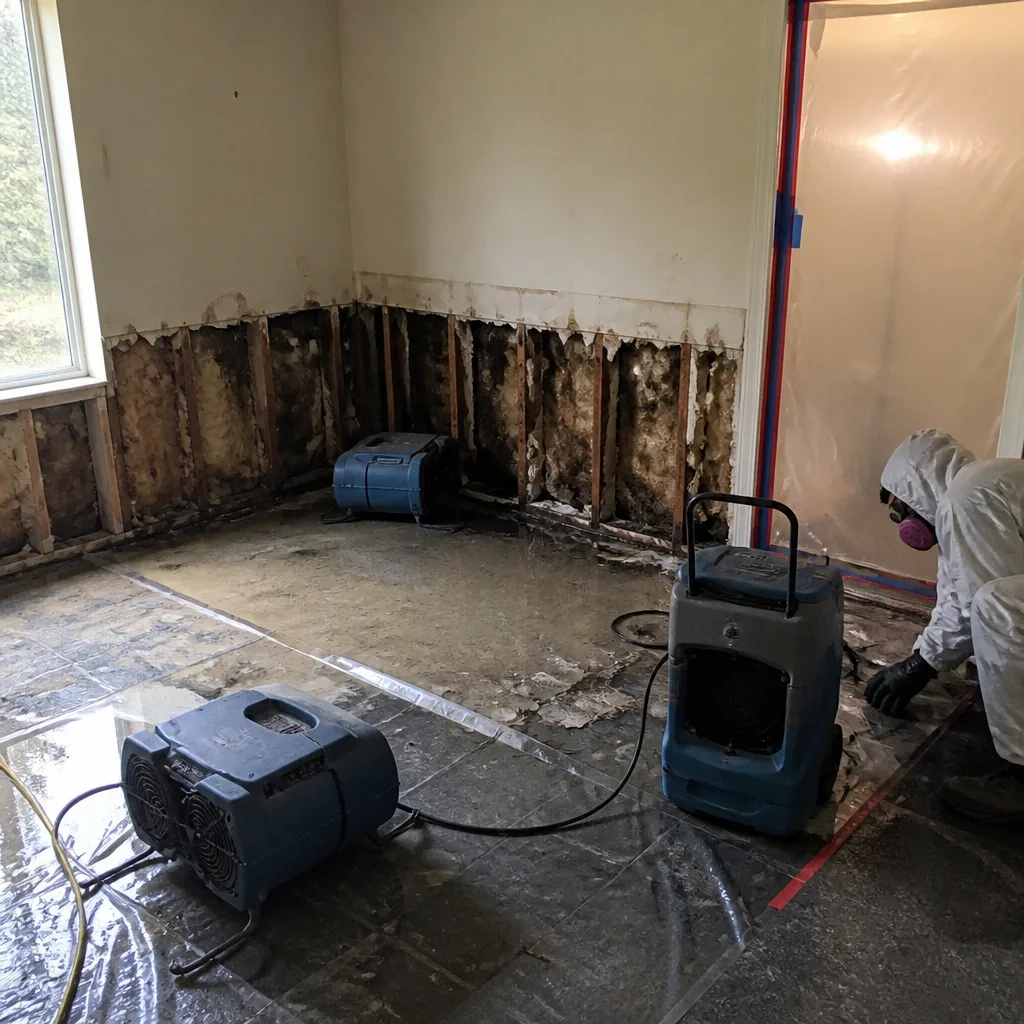 Before
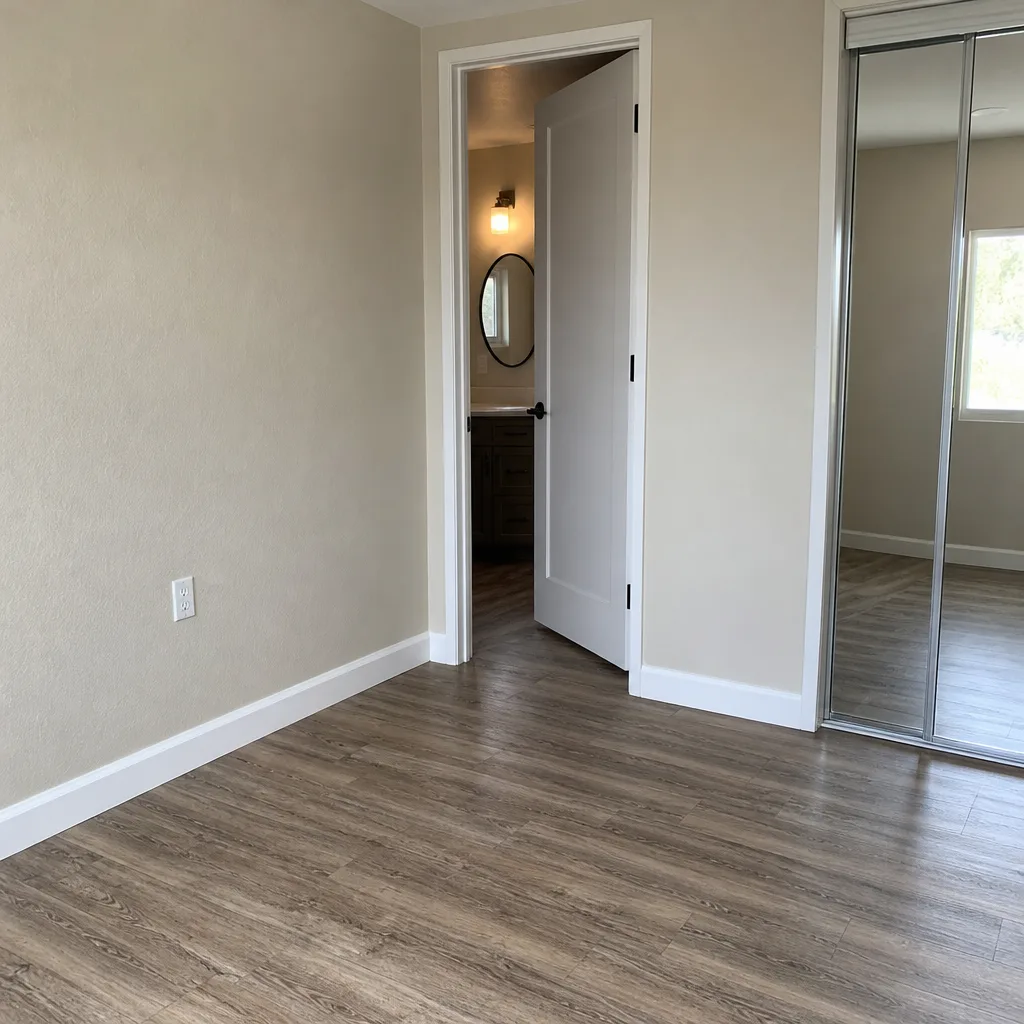 After
After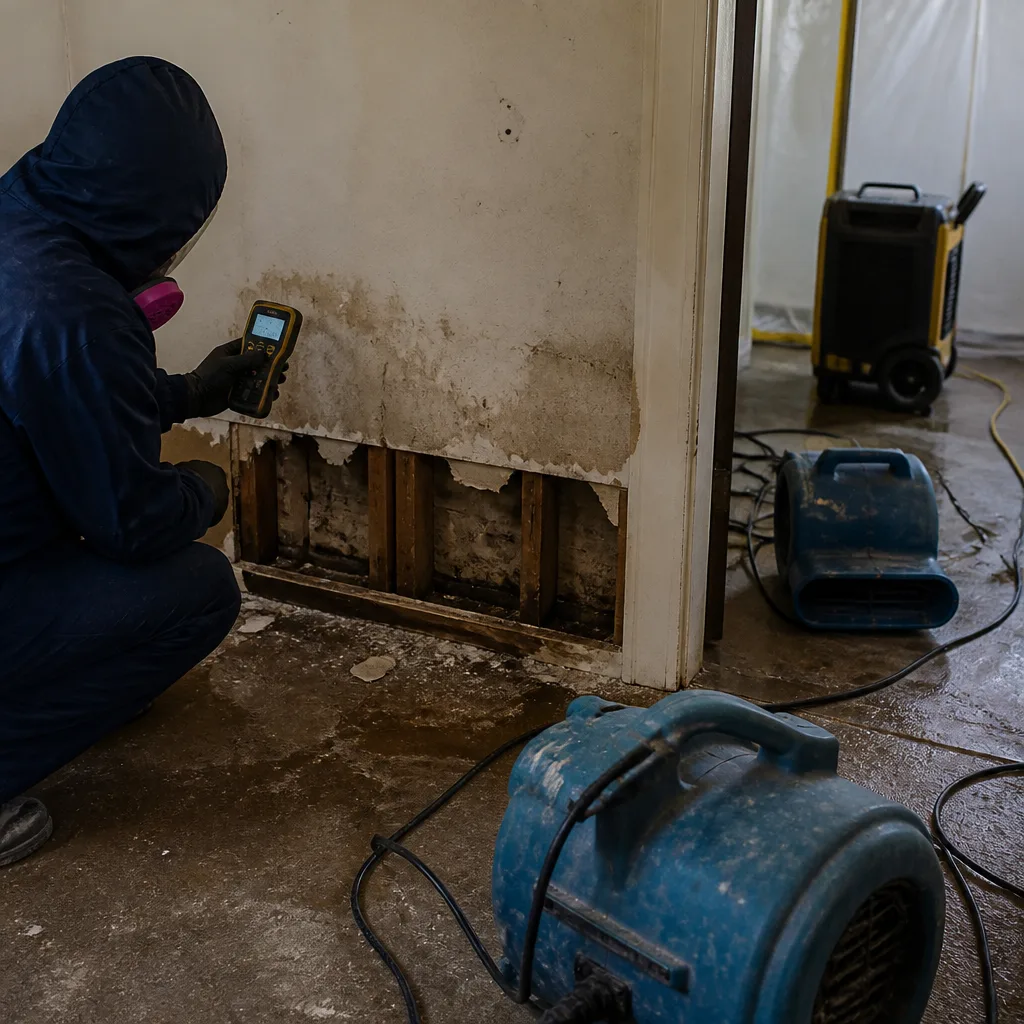 Before
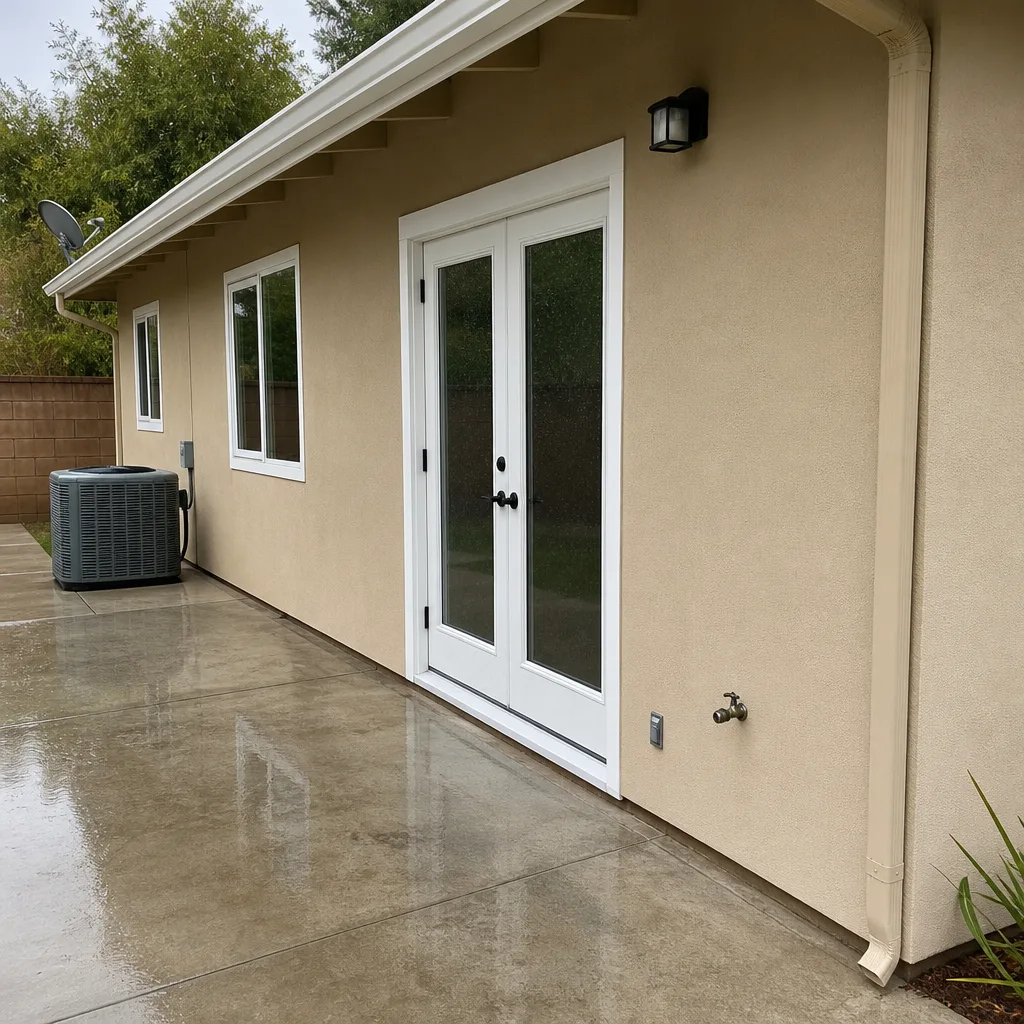 After
After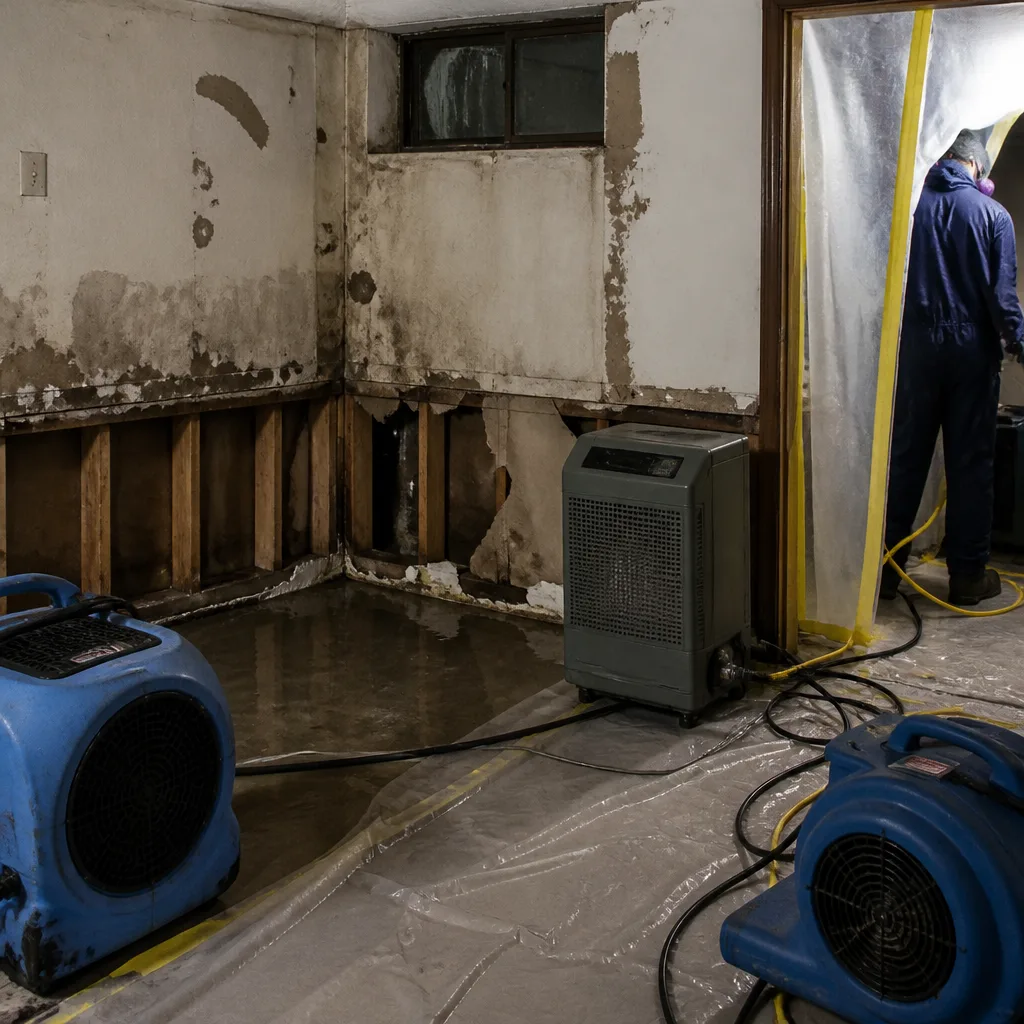 Before
 After
AfterCommon Water Damage Restoration Problems We See in West Hills Homes
- Pinhole leaks in original copper and galvanized plumbing. Homes built between the 1960s and 1980s are hitting the age where copper lines corrode from high mineral content in the water. We regularly find leaks that started as a pinhole and ran inside a wall cavity for weeks before showing at the baseboard.
- Slope runoff entering north-side crawlspaces. Streets that back up to the Simi Hills deal with hillside water pressure after every significant rain. We see crawlspaces that flood not because of a burst pipe, but because the drainage on the uphill side was never re-graded.
- Santa Ana ash infiltration in south-side attics. When the winds come through the canyons, attic vents on the south side of the boulevard pull in fine soot and ash. If you have a water loss in the same week, that ash bleeds through fresh drywall patches later unless we catch it first.
- Composition shingle roof failures during wind events. West Hills gets real wind, and a lifted shingle line on a 1970s roof becomes a water entry point during the first heavy rain. We map the water damage and document the roof condition so your claim lands clean.
Pricing for Water Damage Restoration in West Hills, CA
Water damage restoration in West Hills runs on a fairly consistent range, and we believe in putting those numbers in front of you before you call. Emergency water extraction alone typically costs $400 to $900 for a single room. Full structural drying with dehumidification and monitoring runs $1,200 to $3,800 depending on square footage and how many rooms are affected. A flooded basement with Category 3 water, meaning sewage or exterior floodwater, typically lands between $2,800 and $6,500 once antimicrobial treatment and containment are included. The variables are the amount of water, the length of saturation, and whether finished materials like drywall, insulation, or flooring need removal. We give you a written price after a site inspection, before any work starts, and that price doesn’t move at the door.
We Also Serve Cities Near West Hills
Our crews cover West Hills and the surrounding West Valley communities. If you’re in Canoga Park, Woodland Hills, Winnetka, or Calabasas, the same team and the same written standards apply. Water Damage Restoration work throughout the western San Fernando Valley runs on The Garrison Standard, and our West Hills customers have priority dispatch when they call (559) 258-5719.
Serving West Hills, CA - Our Local Coverage Area
We’re based in the West Hills area and know this community well. Use the map below to see our service coverage - if you’re nearby, we can almost certainly help.
FAQs About Water Damage Restoration in West Hills
Homes on the north side of West Hills’s main boulevards sit at the base of the Simi Hills, and after heavy rain, slope runoff flows down and stacks against foundation walls on the uphill side. That water pressure finds its way into crawlspaces through vents, cracks, and grade-level gaps. It’s a drainage problem as much as a water problem, and we check the uphill drainage path on every north-side crawlspace call. Call (559) 258-5719 if you’re seeing repeats, we’ll document the source, not just the symptom.
Yes. When Santa Ana winds blow through the canyons, south-side attics in West Hills pull in fine soot and ash that settles into insulation and around vents. If you have a water loss at the same time, that ash can bleed through fresh drywall repairs later and look like mold. We do a visual ash check during any water damage assessment south of the boulevard and note it in the drying log. It’s a small step that prevents a second callback.
Mold can begin colonizing in 24 to 48 hours when a West Hills crawlspace stays warm and damp, which it does most of the year here. The 1970s wood-frame construction common in West Hills means organic material is everywhere, floor joists, subfloor, and the wood siding itself. That’s why we treat any crawlspace water event as a time-sensitive job and run antimicrobial treatment as part of the standard scope. Waiting a week to call changes a $2,000 dry-out into a $12,000 remediation.
Category 3 water is grossly contaminated, meaning sewage, exterior floodwater, or any water that sat long enough to grow bacteria. In a 1960s West Hills basement, Category 3 water means we’re not just extracting and drying, we’re setting containment, removing porous materials that absorbed the water, and treating the remaining structure with antimicrobial agents. You can’t simply dry a Category 3 event, the affected drywall and insulation have to go. We explain exactly what that means for your basement before any tear-out starts.
It’s a real risk. Original copper and galvanized supply lines in 1960s through 1980s West Hills homes are now at the age where pinhole leaks and corrosion failures are common. We’ve seen homeowners dry out one leak only to have another section fail in the same wall within weeks. That’s why our scope of work for older homes includes a plumbing assessment, and we document every observation for your insurance file. If the pipe condition is the problem, you’ll know before you rebuild.
Written by Shane Pruitt, Owner at Keegan Restoration Woodland Hills, serving West Hills and the surrounding valley communities.