
Last updated October 16, 2026
 Water damage drying
 Fire & smoke cleanup
 Mold remediation
 Storm response
 Sewage cleanup
 Reconstruction
Free visual inspection and a written scope of work before any mitigation begins - photos, moisture readings, and drying logs go in your claim file
The scope we write is the scope we bill. Anything new gets shown to you, in writing, before we touch it.
Get your free estimateDIY vs Professional Damage Restoration: The Woodland Hills Homeowner’s Decision Guide
Here’s the thing most Woodland Hills homeowners don’t realize until it’s too late: the biggest cost in DIY water damage restoration isn’t the equipment rental or the time. It’s what happens to your insurance claim when the work isn’t documented to a professional standard. A homeowner who extracts standing water from a burst supply line, runs box fans for three days, and calls it done may have saved $800 in mitigation costs. But if that stud cavity was still holding 23% moisture content and mold blooms six weeks later, the insurer can deny the follow-up mold claim because the initial loss wasn’t reasonably mitigated. This guide walks through where DIY makes sense, where it creates a coverage gap, and how Woodland Hills homeowners can make the call without gambling on their policy. For related reading, see our Water Damage Restoration Maintenance Checklist for Woodland Hills Homeowners.
Restoration work we handle
Quick Answer
DIY water damage restoration is genuinely reasonable only for small, contained clean-water spills under roughly 10 square feet where no structural materials are saturated and you can fully dry the area within 24 to 48 hours. Anything involving gray or black water, wall cavities, subflooring, insulation, or a claim you intend to file should be handled by a professional restoration company operating to IICRC standards, because your California homeowner’s policy requires “reasonable mitigation” and your insurer will evaluate whether you met that bar. In Woodland Hills specifically, the combination of older construction, hot dry summers that mask hidden moisture, and strict insurer documentation expectations makes professional mitigation the financially safer choice for most losses beyond a small spill. Our Seasonal Damage Restoration Care for Woodland Hills: Year-Round Homeowner’s Guide covers how climate patterns affect drying timelines.
Table of Contents
- The Insurance Reality: What “Reasonable Mitigation” Actually Means in California
- Understanding Water Categories: Clean, Gray, and Black
- What Professional Equipment Actually Does That a Box Fan Doesn’t
- The Documentation Gap: Why Your Claim Depends on Paperwork
- When DIY Genuinely Works: A Decision Framework
- When DIY Creates More Risk Than It Saves
- Woodland Hills Specifics: Climate, Construction, and Claims
- Common Mistakes to Avoid
- When to Call a Professional
- Frequently Asked Questions
- The Bottom Line
The Insurance Reality: What “Reasonable Mitigation” Actually Means in California
Every standard California homeowner’s insurance policy contains language requiring you to protect the property from further damage after a loss. It reads roughly like this: you must take reasonable steps to mitigate damage, and the insurer will reimburse reasonable mitigation costs. The word “reasonable” does a lot of heavy lifting here, and here’s what it means in practice: the insurer expects you to stop active water flow, remove excess water where safe, and take basic steps to begin drying. They do not expect you to hire a professional for a small spill.
But they do expect something specific when the loss is large enough to trigger a claim above your deductible and the damage involves structural materials. They expect the mitigation to have been performed to a recognized standard, which in the restoration industry means the IICRC S500 standard for water damage restoration. If a claims adjuster later determines the DIY mitigation was inadequate, and that inadequacy caused secondary damage like mold or rot, the secondary damage can be excluded as a failure of your policy duty to mitigate. We’ve seen this play out in Woodland Hills homes. The homeowner thinks they handled it. The insurer sees a scope of loss with no moisture readings, no drying log, and no clear starting point for the damage. That’s a coverage gap, and it’s one that usually costs far more than professional mitigation would have.
A practical threshold most adjusters apply, whether they say so explicitly or not: if the affected area is larger than what you can honestly dry in two days with rental equipment, DIY mitigation was probably not reasonable. If the water entered a wall cavity, under flooring, or into insulation, it wasn’t reasonable. If the water was anything other than clean supply water, it wasn’t reasonable. If you’re unsure how deep the water went, the reasonable step is to bring in professional evaluation.
Understanding Water Categories: Clean, Gray, and Black
The restoration industry classifies water damage into three categories, and they determine everything about safety, equipment, and whether DIY is even on the table. Most Woodland Hills homeowners have never heard of these categories until they’re standing in a flooded room trying to decide what to do.
Category 1: Clean water. This is water from a broken supply line, a tub overflow that ran onto tile, or rainwater that came through an open window. It’s safe to touch and safe for a homeowner to clean up without protective equipment, so long as the area affected is small and the water hasn’t sat long enough to degrade. Clean water degrades to Category 2 within 48 to 72 hours in warm conditions because bacteria begin multiplying.
Category 2: Gray water. This is water with significant contamination that can cause illness if ingested. Think dishwasher overflow, washing machine discharge, toilet overflow with urine but no feces, or clean water that sat for two to three days. Gray water requires gloves, disinfection, and removal of porous materials that absorbed it. Homeowners can technically handle small gray water spills, but the margin for error narrows considerably.
Category 3: Black water. This is grossly contaminated water containing pathogens, sewage, floodwater, or rising groundwater. It carries bacteria, viruses, and parasites. There is no DIY version of black water cleanup that a professional would call safe. It requires PPE, containment, disinfection, and disposal procedures. If you’re dealing with black water in Woodland Hills, call a professional immediately and stay out of the affected area until it’s assessed.
Here’s the part most homeowners miss: water doesn’t stay in its original category. Clean water left sitting becomes gray water. Gray water becomes black water. Time is itself a contaminant. A slow leak behind a kitchen cabinet that starts as clean water is a Category 3 situation by the time the homeowner notices the baseboard warping two weeks later. If you’re not sure which category applies to your situation, consult a professional who can assess it before you touch anything.
What Professional Equipment Actually Does That a Box Fan Doesn’t
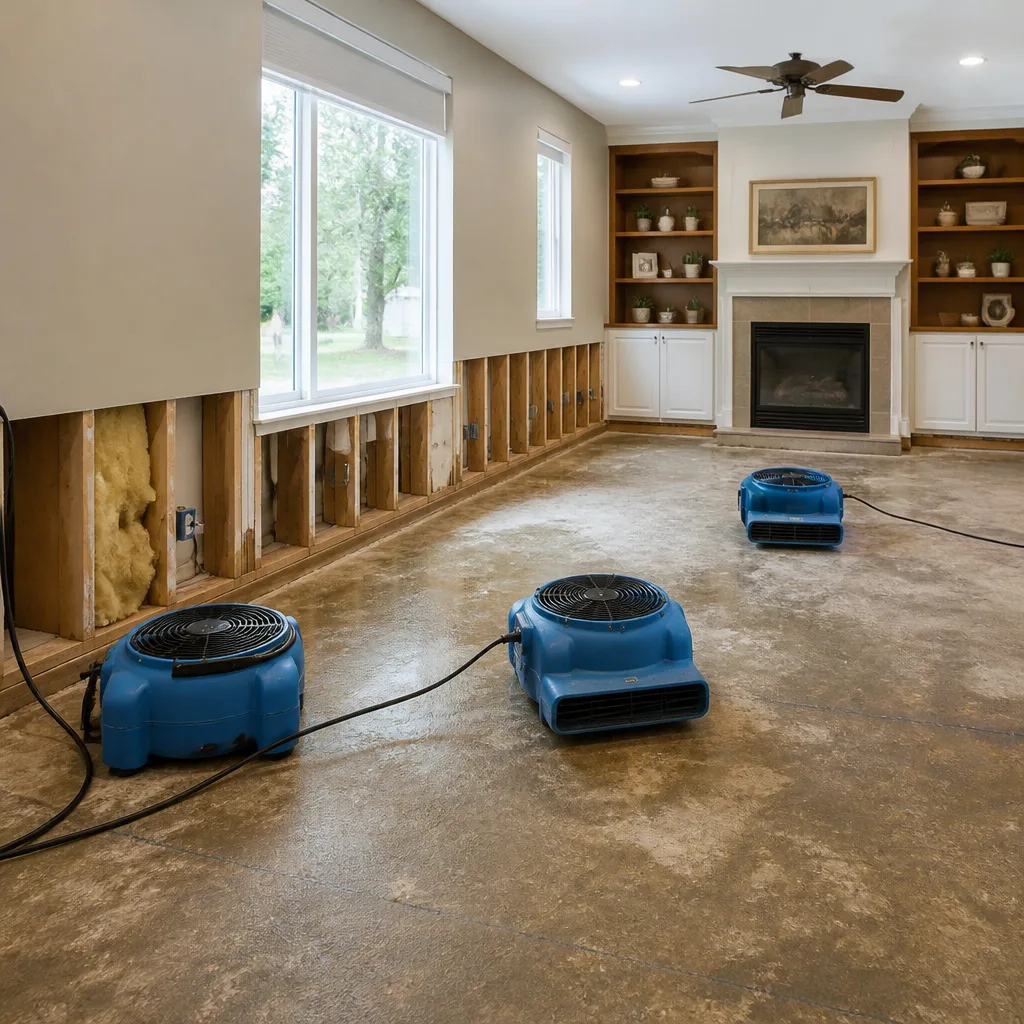
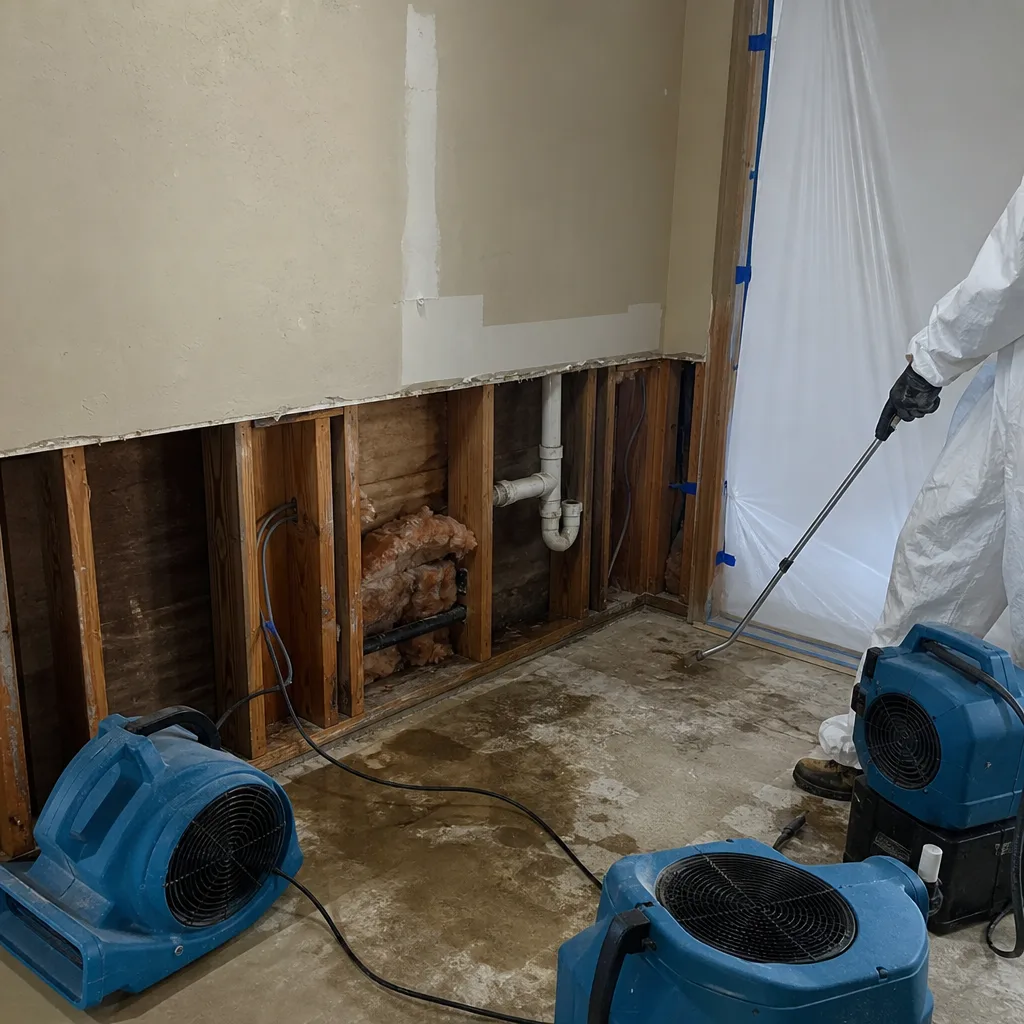
Here’s where the physics gets real, and it’s the part most DIY conversations skip. A box fan moves air across surfaces. That’s it. Moving air helps surface water evaporate, which is useful if the only wet thing is a tile floor with a small puddle. But water damage in a home rarely stays on the surface. When water penetrates drywall, subflooring, or wall cavities, it moves into materials by capillary action, and box fans can’t touch it there.
Professional drying uses three measurements in combination: GPP, CFM, and dew point.
GPP (grains per pound) measures the absolute amount of moisture in the air. A grain is a unit of weight, and GPP tells you how many grains of water vapor are suspended in each pound of dry air. High GPP means wet air that will slow or stop evaporation. Professional restorers use desiccant or refrigerant dehumidifiers to pull GPP down so the air can accept more moisture from wet materials.
CFM (cubic feet per minute) measures airflow. Professional air movers like those from Dri-Eaz and B-Air move 2,000 to 3,500 CFM each and are positioned at specific angles to create air currents across and under surfaces. A typical box fan moves about 1,800 CFM under ideal conditions but without the focused airflow pattern, vibration resistance, or durability for multi-day drying. The difference matters: professional drying uses calculated air movement to create evaporation pressure inside materials, not just on the surface.
Dew point readings tell you the temperature at which moisture in the air will condense back into liquid. Professionals track dew point daily to prevent what’s called secondary damage: moisture migrating from wet materials into dry ones, or condensation forming inside wall cavities and causing damage that didn’t exist at the time of the loss. The 2018 Woolsey Fire taught many Woodland Hills homeowners how quickly hidden moisture plus heat creates problems, but the same principle applies in water losses.
There’s also the matter of Injectidry systems, which push dry air directly into wall cavities and under cabinets. These are the difference between drying a surface and drying a structure. No rental counter stocks them. No homeowner needs one for a small spill. But if water has entered a wall cavity behind baseboards, you need something moving air inside that cavity for the days it takes to reach a safe moisture content. A box fan pointed at the wall won’t do it.
The Documentation Gap: Why Your Claim Depends on Paperwork
When you file a water damage claim, you’re making an argument about what happened, what you did, and what it cost. The insurer is looking for reasons to pay you accurately and reasons to deny claims that don’t meet policy requirements. Your evidence matters, and professional restoration companies produce evidence as a standard part of the job.
Professional documentation includes a moisture log showing initial moisture content readings from each affected room and material, a drying plan with equipment placement mapped to square footage and air volume calculations, and daily readings showing the drying trend. When the job is done, you get a dry-out certificate or equivalent documentation stating the structure was returned to a target moisture level. That’s the paper trail that supports a claim and protects you if secondary damage appears later.
DIY mitigation produces none of that. You can take photos of the water on the floor and receipts from the rental equipment, but you can’t produce a moisture log because you don’t have a moisture meter. You can’t document drying trends because you’re not taking daily readings of GPP and moisture content. When the adjuster asks whether the structure was dry when you said it was, your answer is based on how the surface felt to your hand, and that’s not measurement.
We handle insurance claims documentation on Keegan Restoration Woodland Hills home jobs as a standard service, because we know the adjuster is going to ask the same questions every time: what was the initial scope, what was done, when was it done, and how do we know it worked. The answers are in the paperwork. If the paperwork doesn’t exist, the homeowner is arguing from a weaker position.
When DIY Genuinely Works: A Decision Framework
The honest answer to “should I do this myself?” is sometimes yes. If you’re weighing your options, our How to Hire a Damage Restoration Contractor in Woodland Hills: A Step-by-Step Guide can help. Here’s a framework we use to help Woodland Hills homeowners sort it out without a sales angle. Answer these questions in order. If you get a “no” at any point, stop and call a professional.
- Is the water Category 1 clean water? If it’s from a broken supply line, an overflowing tub, or rainwater, yes. If it’s from a dishwasher, washing machine, toilet, or anything you wouldn’t drink, no. Do not attempt DIY.
- Is the affected area smaller than about 10 square feet? That’s roughly the size of a bathroom floor or a small hallway section. If it’s bigger, the drying math changes and you need professional equipment.
- Did the water touch drywall, baseboards, subfloor, insulation, or cabinetry? If the answer is yes to any of those, water has likely penetrated a material, and surface drying won’t finish the job. If the water stayed on tile or concrete and you dried it within a few hours, keep going.
- Can you fully dry the area within 24 to 48 hours? If you can remove the water, set up fans, and confirm the area is dry to the touch within two days, DIY is reasonable. If you’re not sure, you’re guessing, and guessing is how mold claims get denied.
- Are you willing to accept the risk if you’re wrong? If hidden moisture leads to mold and your insurer denies the mold claim because the initial mitigation wasn’t documented to a standard, can you afford to pay for mold remediation out of pocket? If no, call a professional.
This framework isn’t about skill. Most homeowners are capable of mopping and running a fan. It’s about whether the risk of incomplete drying is worth the savings. On a small clean spill, yes. On a flooded kitchen with water under the cabinets, no.
When DIY Creates More Risk Than It Saves
A few scenarios we’ve seen in Woodland Hills homes make the point better than any abstract warning.
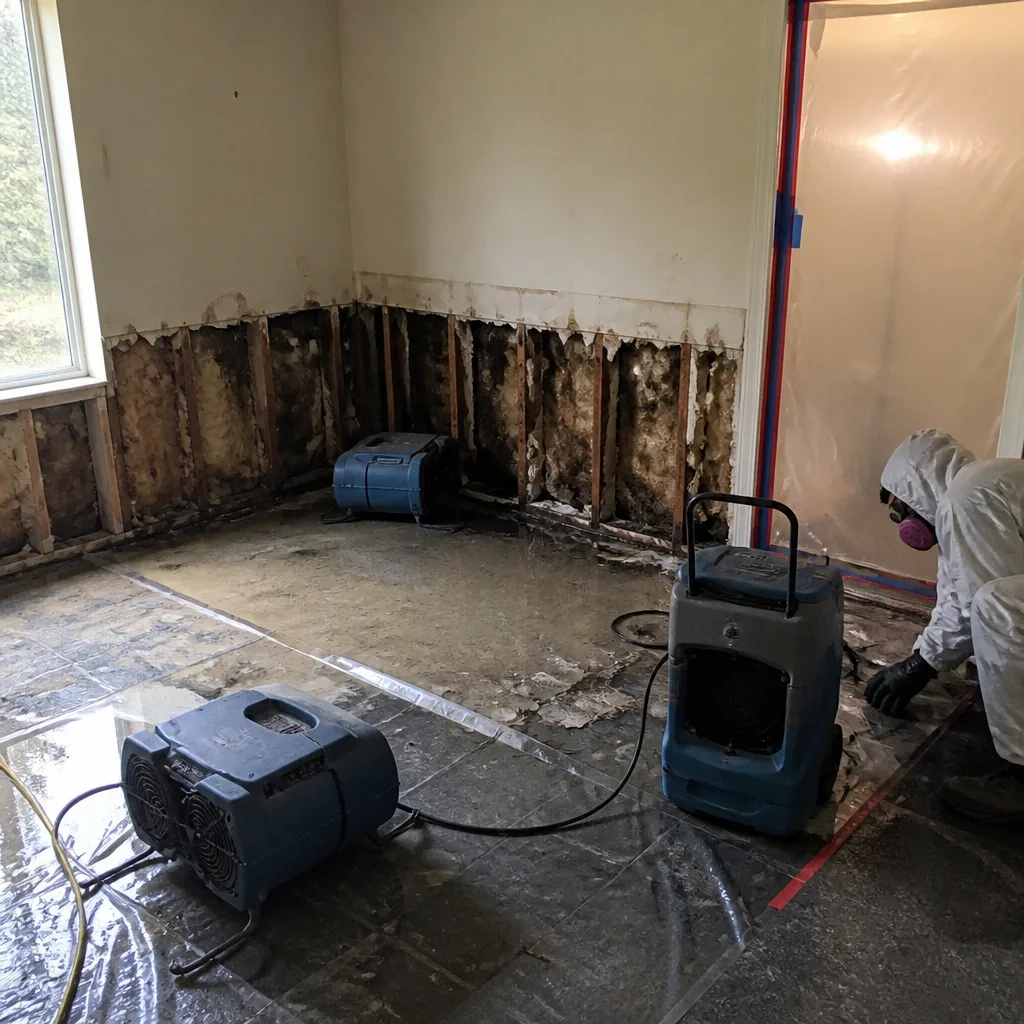
The hidden wall cavity. Water from a second-floor bathroom leak ran down inside a wall for hours before the homeowner noticed the ceiling stain. The visible stain was about a foot wide. The actual water damage extended through the wall cavity, the insulation, and into the subfloor. The homeowner painted over the stain after a week of fans. Three months later, mold had colonized the wall cavity. The mold claim was denied because the initial water loss wasn’t mitigated to a professional standard. The homeowner paid for Mold Remediation in Woodland Hills out of pocket, at a cost far higher than professional water mitigation would have been.
The slow supply line leak. A pinhole leak in a copper supply line dripped for weeks inside a kitchen cabinet before anyone noticed. The water had wicked into the cabinet base, the subfloor, and the drywall behind the cabinet. This was a Category 3 situation by discovery, and no amount of homeowner effort was going to address the contamination in the porous materials.
The gray water laundry overflow. A washing machine discharge hose slipped out of the drain and flooded a laundry room and adjacent hallway. The homeowner rented a carpet cleaner to extract water from the carpet pad. Carpet pad doesn’t dry in place. It needs to be pulled, discarded, and replaced, and the subfloor underneath needs drying. The DIY extraction left the pad wet, and the smell that followed wasn’t something anyone wanted to live with.
Each of these situations looks manageable at first. Each one taught a Woodland Hills homeowner something expensive about the difference between surface drying and structural drying.
Woodland Hills Specifics: Climate, Construction, and Claims
Woodland Hills has a climate that plays tricks on water damage. It’s hot and dry most of the year, which makes surfaces dry quickly. That creates a false sense of security. A floor that feels dry to the touch in Woodland Hills in August may still be holding 20% moisture content in the subfloor, because the dry air pulled surface moisture fast while the interior of the material stayed wet. Then fall arrives, temperatures drop, and the residual moisture condenses or supports microbial growth.
Construction matters too. A large portion of Woodland Hills housing stock dates from the 1960s and 1970s, with some older homes in the flats and newer construction in the hills. Older homes often have plaster walls, dimensional lumber, and building paper that behaves differently when wet than modern drywall and engineered materials. Plaster can hide water damage for months. Dimensional lumber holds moisture in ways that require deeper drying. If your home is older, assume water went further than what’s visible.
We also see a lot of homes with slab-on-grade construction in parts of Woodland Hills, which changes how water migrates. A slab foundation means water doesn’t drain down into a crawlspace the way it would in a raised foundation home. It runs along the slab and wicks up into walls. That’s a different drying challenge than a home with a crawlspace, and it’s one that requires moisture mapping to understand.
Insurance claims in this area face the same scrutiny as anywhere else in California, but there’s a local twist: many Woodland Hills homeowners have had at least one prior claim from the Woolsey Fire period, and insurers look closely at any new claim from a policy with prior loss history. The documentation standard matters more, not less, when your claim file already has a history.
Common Mistakes to Avoid
- Pointing box fans at the wall and waiting. Airflow across drywall doesn’t reach water inside the wall cavity. You need directed airflow into the cavity or the wall stays wet behind the surface.
- Assuming a dry surface means a dry structure. Woodland Hills’ dry air makes surfaces feel dry quickly while structural materials stay wet underneath. The only way to know is with a moisture meter.
- Skipping the carpet pad. Carpet pad absorbs and holds water like a sponge, and it almost never dries in place. Pull it, discard it, and dry the subfloor underneath.
- Failing to document anything. No photos, no receipts, no moisture readings, no equipment log. When the insurer asks what you did, you’re trying to recreate the story from memory, and the insurer has professional documentation on their side.
- Waiting to decide. Every hour water sits in a structure, wicking into materials and degrading from clean to gray to black, is an hour that moves the cost and the claim in the wrong direction. Decide fast, and if you’re not sure, call.
- Painting over the stain. Odds are the stain isn’t the problem, it’s the symptom. What’s behind the drywall, under the floor, or inside the cavity is what matters, and paint covers exactly none of it.
- Assuming your policy covers your DIY mistakes. It covers reasonable mitigation. If your mitigation was inadequate and the insurer can show that, the secondary damage may be on you.
When to Call a Professional
Call a professional restoration company when water has touched any structural material, when the affected area is larger than a small bathroom floor, when the water is gray or black, when you intend to file an insurance claim above your deductible, or when you’re simply not sure. Also call if the loss happened more than a day ago and water is still present, because the category has likely degraded and the affected area may have expanded. If you need Water Damage Restoration in Woodland Hills, Keegan Restoration Woodland Hills offers free estimates in Woodland Hills, and a live person answers the phone 24/7 at (559) 258-5719.
Frequently Asked Questions
Professional water damage restoration in Woodland Hills typically ranges from $1,200 to $4,500 for a moderate single-room water loss, with larger or multi-room losses running higher. Extraction and drying for a small contained loss often falls between $1,200 and $2,500, while losses involving wall cavities, subflooring, or gray water typically range from $3,000 to $6,000 or more. The exact number depends on what’s wet, how long it’s been wet, and what category of water is involved. Call (559) 258-5719 for a written estimate before any work begins.
Most California homeowner’s policies cover sudden and accidental water damage from sources like a burst pipe, an overflowing tub, or a failed appliance hose. Gradual leaks and maintenance issues are often excluded. Flood damage from rising water is never covered by a standard policy and requires separate flood insurance. What matters for your claim is documented mitigation performed to a recognized standard; if you do it yourself and it’s inadequate, your insurer can deny secondary damage claims. Professional restoration includes documentation formatted to support your claim.
Rental dehumidifiers and fans can work for small, contained clean-water spills on non-structural surfaces. What rental equipment doesn’t provide is the moisture measurement, the drying plan, the directed airflow into wall cavities, and the documentation that professional mitigation produces. Hardware-store equipment also lacks the CFM and desiccant drying power of professional gear like Dri-Eaz and Phoenix units, which matters when structural materials are saturated.
Mold can begin growing within 24 to 48 hours of water damage in warm conditions, which is most of the year in Woodland Hills. That timeline is why professional drying starts fast and runs continuously until moisture content targets are met. If water sits for more than two days, assume microbial growth is likely and treat the affected materials accordingly.
Every repair Keegan Restoration Woodland Hills completes is backed by a written one-year guarantee called the 365-Day Done Right Promise. If the repair fails within one year, we return and make it right at no charge, with a free second visit included if the repair fails within the guarantee period. The guarantee is part of The Garrison Standard that governs every job we do.
If the water damage was clean water, dried within 24 to 48 hours, and no visible mold or musty odor developed, a thorough cleaning is usually sufficient. If the water sat longer, the water was gray or black, or you see or smell mold, you need professional assessment and likely Mold Remediation in Woodland Hills rather than cleaning. Mold grows inside porous materials, not just on surfaces, and surface cleaning doesn’t reach it. Call (559) 258-5719 for an honest assessment of whether remediation is needed.
Keegan Restoration Woodland Hills has a live person answering the phone 24 hours a day, 7 days a week, including nights, weekends, and holidays. In a water damage situation, response time matters because every hour of water exposure expands the damage and degrades the water category. Call (559) 258-5719 and you’ll talk to a person, not a phone tree.
The Bottom Line
The DIY-versus-professional decision comes down to one question: what’s the cost of being wrong? On a small clean-water spill contained to tile or concrete that you can dry in a day, DIY is reasonable and saves real money. The moment structural materials are wet, the water is contaminated, the area is larger than a bathroom floor, or a claim above your deductible is involved, professional mitigation is the financially safer choice. Woodland Hills homeowners especially should remember that dry air masks hidden moisture, older construction hides water migration, and your insurer’s “reasonable mitigation” standard is measured by documentation you probably can’t produce yourself. Keegan Restoration Woodland Hills handles Fire Damage Restoration in Woodland Hills and the full range of damage restoration services with a written price before work starts and a one-year written guarantee on every repair. Call (559) 258-5719 any time for a free estimate.
Written by Shane Pruitt, Owner at Keegan Restoration Woodland Hills, serving Woodland Hills since 2005. Browse our more guides & resources for homeowners.
See the difference
 Before
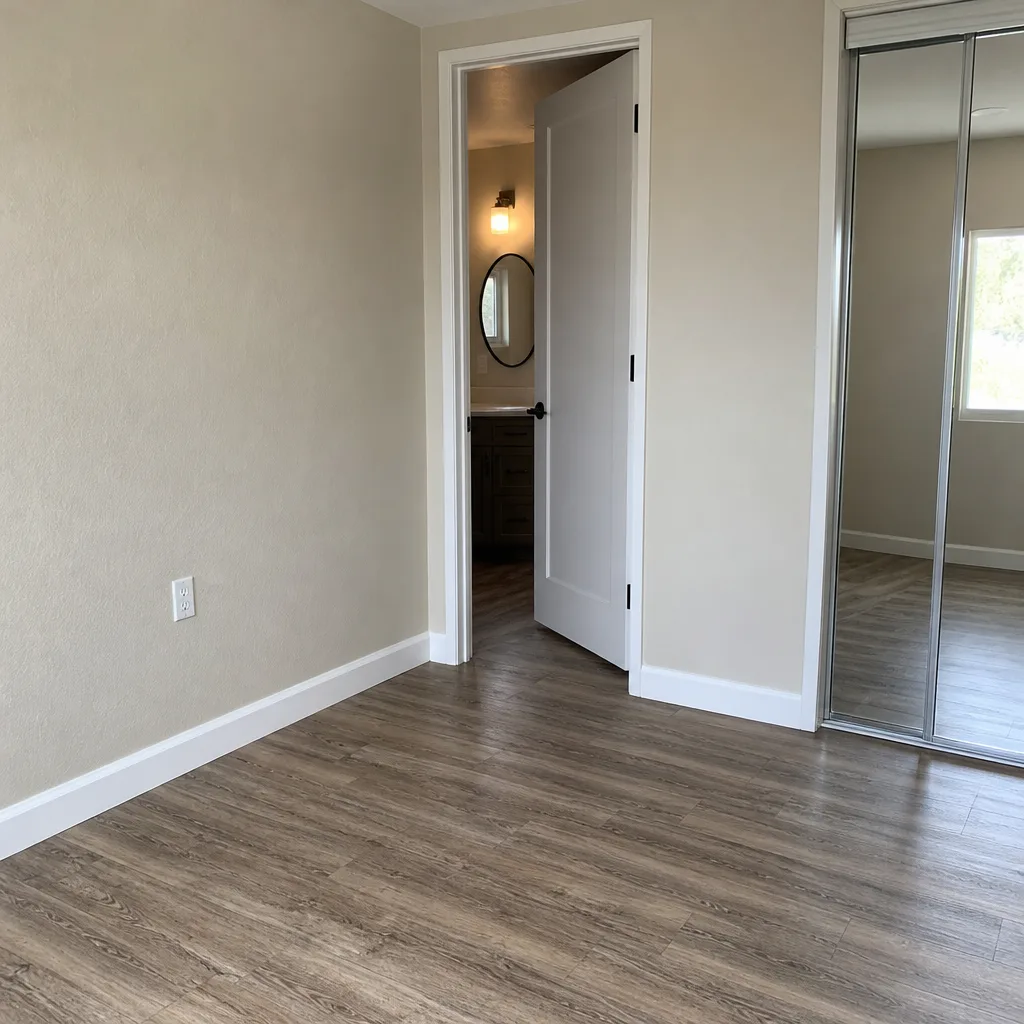 After
After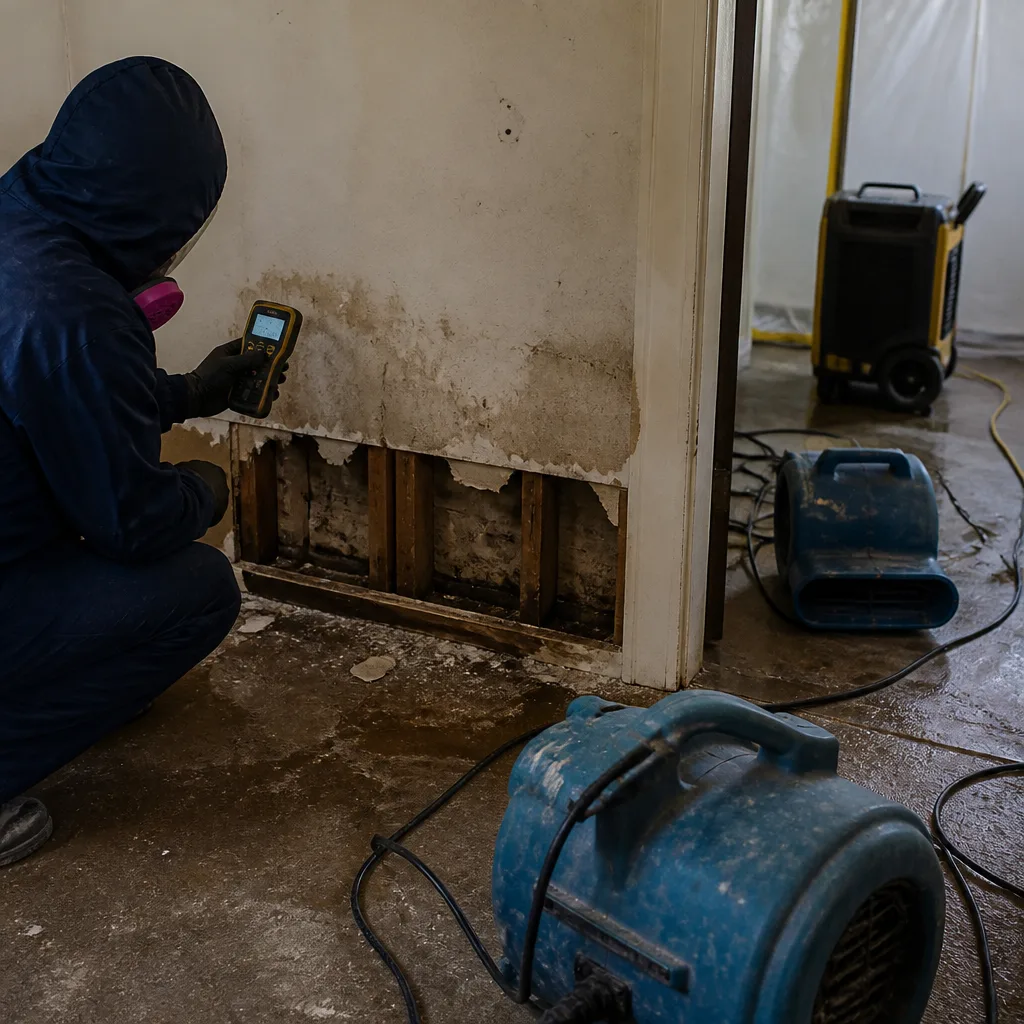 Before
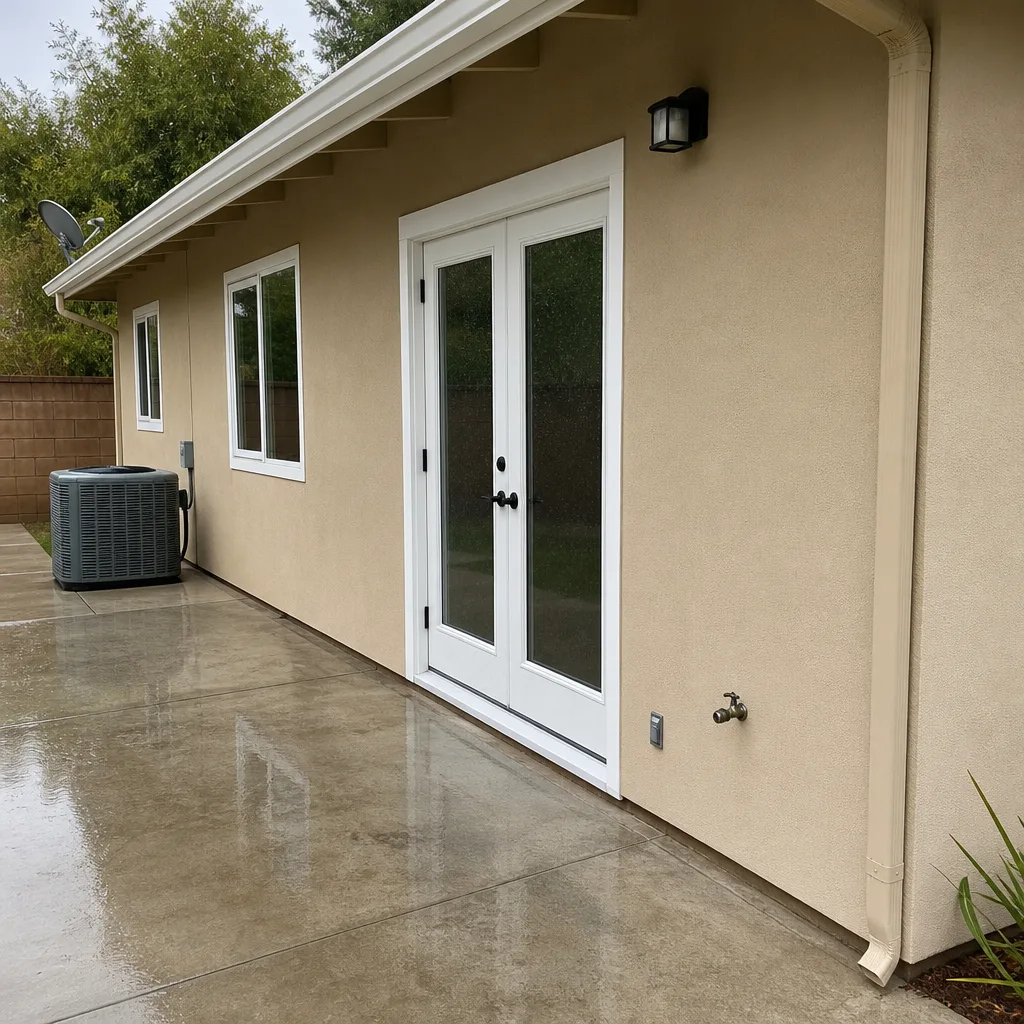 After
After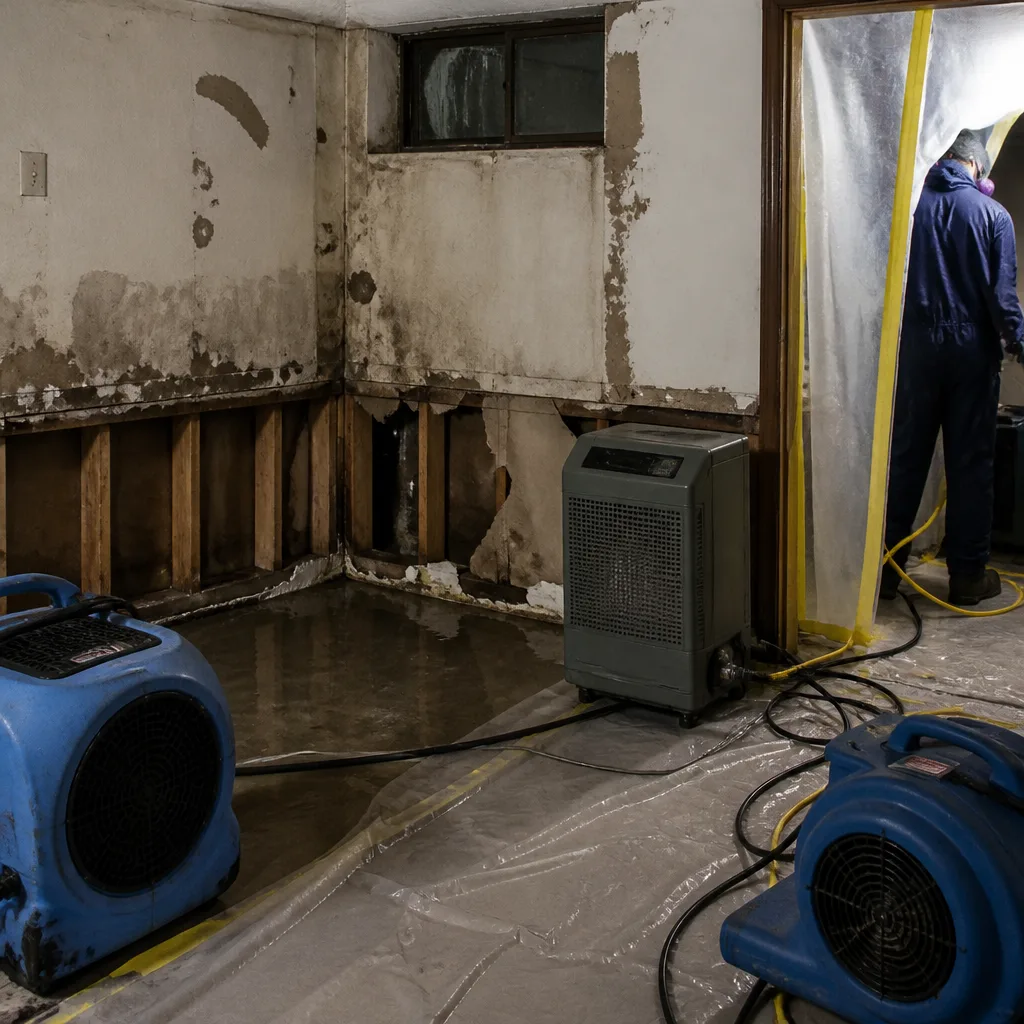 Before
 After
After