
Last updated October 16, 2026
 Water damage drying
 Fire & smoke cleanup
 Mold remediation
 Storm response
 Sewage cleanup
 Reconstruction
Free visual inspection and a written scope of work before any mitigation begins - photos, moisture readings, and drying logs go in your claim file
The scope we write is the scope we bill. Anything new gets shown to you, in writing, before we touch it.
Get your free estimateHow to Hire a Damage Restoration Contractor in Woodland Hills: A Step-by-Step Guide
Here’s a fact most hiring guides won’t tell you: in California, a contractor can legally raise the price after work begins if the original contract includes a “cost-plus” or open-ended scope clause. Storm-chasing operators and unqualified crews know this, and they write contracts that give them room to add charges once your walls are open and your house is torn apart. This guide is written for Woodland Hills homeowners who want to avoid that trap entirely-part of our broader Complete Guide to Damage Restoration in Woodland Hills. We’ll walk through a specific vetting sequence, run by a local restoration crew, that screens out bait-and-switch operators before anyone touches a wall.
Restoration work we handle
Quick Answer
To hire a damage restoration contractor in Woodland Hills, verify the contractor’s CSLB license class and bond status on the state website, demand a written price that locks the scope before work starts, confirm IICRC certification and background-checked technicians, and review a sample photo log and moisture map from a previous job. If a contractor resists any of those steps, move on.
Table of Contents
- Step 1: Run the CSLB License Check Before You Sign Anything
- Step 2: Read the Price Language Like a Contract Attorney
- Step 3: Compare Quotes Line by Line, Not Bottom Line to Bottom Line
- Step 4: Ask the Credential Questions That Expose Day-Labor Crews
- Step 5: Review the Contractor’s Insurance Documentation Process
- Step 6: What a Legitimate Restoration Contract Should Include
- Common Mistakes to Avoid
- When to Call a Professional
- Frequently Asked Questions
- The Bottom Line
Step 1: Run the CSLB License Check Before You Sign Anything
Every legitimate damage restoration contractor working in Woodland Hills must carry a California Contractors State License Board (CSLB) license. Not a business permit. Not a city registration. A CSLB license, issued by the state, with a number you can look up in about ninety seconds. The license class matters too. For water, fire, and mold work, you’re looking for a C61 or D64 classification (limited specialty) or a B license (general building) with documented restoration scope. A B-2 residential remodeler license is not the same as a restoration specialty license, and a contractor who shows a different class than the work requires is a red flag.
Here’s the exact sequence we recommend to every Woodland Hills homeowner before any contract gets signed:
- Go to the CSLB website and enter the contractor’s license number. If they haven’t given you a number, ask for it directly.
- Check the license status. “Active” is what you want. “Suspended,” “Expired,” or “Inactive” means walk away.
- Check the bond status. California requires a contractor license bond, currently $25,000. If the bond shows as cancelled or insufficient, the contractor cannot legally operate.
- Read the complaint history. The CSLB posts legal actions, arbitration awards, and complaints filed. A pattern of unresolved complaints is a hard stop.
- Check for workers’ compensation insurance. If the contractor has employees and no workers’ comp, you can be held liable if a technician gets hurt on your property.
We’ve worked in Woodland Hills long enough to know that some of the crews who show up after a big rain event or a hillside leak aren’t licensed at all. For year-round protection tips, see our Seasonal Damage Restoration Care for Woodland Hills: Year-Round Homeowner’s Guide. They operate with a truck, a phone number, and a hard-sell pitch. The license check takes less than two minutes and it’s the single most reliable screen against that entire category of operator.
Step 2: Read the Price Language Like a Contract Attorney
The most important page in any restoration contract isn’t the estimate total. It’s the page that tells you whether that number can move. In California, a “cost-plus” contract lets the contractor bill you for actual costs plus a markup. An open-ended scope lets them add work without a new written approval. Both are legal. Both are how a $12,000 quote becomes a $28,000 final invoice after demolition starts.
Here’s the language to look for, and what it signals:
- “Estimate subject to change based on hidden conditions.” This is a soft price lock. Hidden conditions are a real thing in restoration, but a legitimate contractor writes the specific conditions and requires a written change order before billing a nickel more.
- “Time and materials.” No price lock at all. You’re paying hourly, whatever it costs. Keegan never works this way on a residential job, and you should be cautious about anyone who does.
- “Cost-plus.” Costs whatever they cost, plus their percentage. Open-ended by definition.
- “Fixed scope, fixed price. Changes by written change order only.” This is what you want. The price is locked to the scope, and if the scope changes, you get a new written price before the additional work starts.
Look for the phrase “written change order” in the contract. If that phrase isn’t there, ask why. At Keegan, the written price comes before any work starts, and it doesn’t move at the door. That’s The Garrison Standard, and it’s been our operating rule since we joined the Garrison Partners family in 2005.
Step 3: Compare Quotes Line by Line, Not Bottom Line to Bottom Line
The lowest quote at the door is frequently the highest final invoice. Here’s why. Restoration work has a fixed set of necessary steps: extraction, drying, demolition as needed, cleaning, deodorization, and repair. Contractors compete by quoting the same job differently. One quotes all seven steps. Another quotes four and “finds” the other three after the walls are open. You sign for the lower number, then the change orders start rolling in.
The fix is to compare quotes on a line-item basis. Ask each contractor to break out:
- Water extraction: How many days? What equipment?
- Drying: How many air movers and dehumidifiers? How many days of monitoring? What moisture readings signal completion?
- Demolition: How many square feet of drywall removal? Carpet? Baseboards?
- Cleaning and sanitizing: What products? What standard?
- Repair: Drywall replacement, paint, flooring. Is this included or separate?
- Equipment rental: Is drying equipment a line item or is it included in the drying scope?
When one quote is $4,000 lower than the other two, the difference is almost never profit margin. It’s missing scope. Find the missing line item before you sign. That single step will save you more money than any review site.
Step 4: Ask the Credential Questions That Expose Day-Labor Crews
Restoration work in Woodland Hills requires specific technical knowledge. Psychrometrics, the science of drying, isn’t a thing you learn on a two-hour orientation. Desiccant drying, the process of pulling moisture from air rather than just circulating it, takes training. Extraction, the first-phase removal of standing water, is more nuanced than running a shop vac. Real restoration technicians carry certifications, and you should ask which ones.
The industry standard is the IICRC, the Institute of Inspection, Cleaning and Restoration Certification. IICRC certifications are earned through testing and continuing education. They’re not a state requirement, which is exactly why they matter: a contractor who invests in IICRC-certified technicians is choosing a higher standard voluntarily. The RIA (Restoration Industry Association) and IFA (International Floodplain Association) set additional professional standards worth asking about.
Here are the questions to ask directly, by phone or in person, before you hire:
- “Are your technicians IICRC-certified, and can I see the certification numbers?”
- “Are your technicians background-checked before they enter a customer’s home?”
- “Do your technicians wear uniforms and show up in marked vehicles, or do you use third-party day labor?”
- “What equipment brands do you run?” A legitimate restoration crew names their gear. Dri-Eaz, Phoenix, and XPOWER are the professional-grade brands you want to hear.
- “Will the same crew that starts the job finish it, or do you rotate crews daily?”
When a contractor dodges these questions, what they’re telling you is that they don’t run a crew they want you to inspect. Keegan sends background-checked, uniformed technicians on every job, dispatched from a location that runs to The Garrison Standard. We’ll show you the certifications. We’ll tell you the equipment. We want you to ask.
Step 5: Review the Contractor’s Insurance Documentation Process
If you have a homeowners claim, your insurance company is going to ask for documentation. Photos of the damage before work started. Moisture readings from the affected areas. A scope of loss, which is the restoration industry’s term for a documented inventory of damage and the work required to fix it. A contractor who doesn’t document the job well is a contractor who makes your claim harder to prove.
Before you hire anyone, ask to see a sample photo log and moisture map from a prior job. Any legitimate contractor will have one and will show it to you. The photo log should show timestamped images of the damage before, during, and after work. The moisture map should show the affected building materials, the moisture content readings, and the drying progress day by day. If a contractor says “we’ll take photos as we go” but can’t show you a sample from a previous job, they don’t have a documentation system. They have a phone camera and a hope.
Our own process at Keegan Restoration Woodland Hills home runs on documentation. We record every job and format it to support your insurance claim. That means your adjuster receives a clear scope of loss, photo documentation, and drying logs that match what the insurance company needs to process payment. It’s not an afterthought. It’s the reason some claims close in weeks and some drag on for months.
Step 6: What a Legitimate Restoration Contract Should Include
Now we get to the contract itself. You should never sign a contract in a driveway, on a tablet, under time pressure, with a crew standing behind you. Take the document inside. Read it. In Woodland Hills, you’re dealing with a major purchase on your biggest asset, and the contract is the only thing that protects you.
A legitimate restoration contract includes, at minimum:
- License number printed on the document, matching the CSLB record.
- Scope of work in specific terms: square footage, rooms, materials, phases of work.
- Fixed price for the written scope, with the words “written change order” defining how changes get priced.
- Timeline with start and completion estimates in writing.
- Payment schedule tied to milestones, not to time elapsed. In California, a contractor cannot demand more than 10% or $1,000 (whichever is less) as a down payment before work begins.
- Guarantee language that names the coverage and the term. At Keegan, every repair carries the 365-Day Done Right Promise: if it’s not done right, we make it right in writing, at no charge, for a full year after the repair.
- Insurance and workers’ comp certificates attached, not just referenced.
- Change order procedure that requires your written signature before any additional work.
If any of those eight elements is missing, the contract isn’t ready to sign. Ask for the revision. A legitimate contractor expects you to read the contract carefully. The Garrison Code includes “price in writing” and “do it by the book” for exactly this reason: a homeowner who reads the contract is a homeowner who gets what they paid for.
Common Mistakes to Avoid
- Hiring the first contractor who answers the phone. Speed matters in a water emergency, but thirty minutes of due diligence before signing beats three months of dispute after. A live person answering 24/7 is a good sign, not a reason to skip the license check.
- Accepting a verbal quote. In California, a verbal quote is worth the air it’s spoken in. If the price isn’t in writing, the price doesn’t exist.
- Signing a cost-plus contract for a residential restoration job. Cost-plus has a place in large commercial work with unpredictable conditions. Your house is not that place. Demand a fixed scope and fixed price with written change orders.
- Skipping the moisture map review. If you don’t see moisture readings before and after drying, you don’t know if the drying worked. Ask for the numbers. Psychrometrics isn’t a suggestion; it’s the science that tells you whether mold will grow inside your walls next year.
- Letting the contractor deal with your insurance company without you in the loop. Direct adjuster coordination is valuable, but you should receive copies of every document the contractor sends to your insurer. It’s your claim, your house, and your name on the settlement.
- Choosing based on the bottom-line number alone. We covered this in the quote section, but it bears repeating in Woodland Hills, where the price of drywall replacement and the humidity from the coastal climate both affect the true cost of a restoration. The lowest number is often the least complete scope.
- Hiring a mold remediation company that also does the mold testing. If the same company tests for mold and then sells you the remediation, the conflict of interest is baked in. In our Mold Remediation in Woodland Hills work, we recommend independent testing when the situation warrants it.
When to Call a Professional
Some damage is beyond a shop vac and a weekend. Standing water that has soaked into drywall or subfloor needs extraction and drying with professional equipment, not just towels and fans. Fire damage requires smoke and soot removal that goes deeper than surface cleaning. Mold growth that covers more than ten square feet, or that keeps returning, needs a remediation plan, not another coat of paint. If your ceiling has water stains that are spreading, if your floors are warping, if you smell something musty that won’t go away, that’s when Water Damage Restoration in Woodland Hills becomes the call. Keegan Restoration Woodland Hills offers free estimates in Woodland Hills. Call (559) 258-5719 and a live person will answer, any hour, any day.
Frequently Asked Questions
Water damage restoration in Woodland Hills typically ranges from $2,500 to $15,000 depending on the affected square footage, the water category (clean, gray, or black water), and how long the water sat before extraction began. See our Water Damage Restoration Maintenance Checklist for Woodland Hills Homeowners for steps to prevent costly surprises. A small contained leak with quick response might run $2,500 to $5,000. A burst pipe that flooded multiple rooms and soaked drywall, baseboards, and flooring often lands between $8,000 and $15,000. The fastest way to get an exact number is to call (559) 258-5719 for a free estimate with a written price before any work starts.
Most Woodland Hills homeowners policies cover sudden and accidental water damage from a burst pipe or appliance, and fire damage from a covered event. Gradual leaks, long-term seepage, and mold from deferred maintenance are typically excluded, though every policy is different. A restoration contractor who documents the job properly makes the claim easier. Ask for a sample photo log and moisture map before you hire. That documentation is what your adjuster needs.
A live person should answer your call immediately, any hour, and a crew should be able to reach most Woodland Hills addresses the same day. During major storm events when many homes are affected, response can stretch to the next morning, but a legitimate restoration company tells you the truth about arrival time and then shows up inside that window. If a contractor won’t give you a specific arrival window in writing, move on.
IICRC stands for the Institute of Inspection, Cleaning and Restoration Certification. It’s the industry’s primary standards body for water damage, fire damage, and mold remediation. Certification means the technician passed testing on extraction, drying, and remediation procedures. It’s voluntary, which is exactly why it matters: a contractor who pays for IICRC-certified techs is holding themselves to a higher standard than the state requires.
For water damage, a small spill on tile with quick drying is often a DIY cleanup. Water that soaked into drywall, carpet, or subfloor needs professional extraction and drying, because the moisture you can’t see is the moisture that grows mold later. For fire damage, smoke and soot penetrate materials in ways that surface cleaning cannot address. For mold, anything beyond a small patch requires a remediation plan. When in doubt, call for a free assessment and a written scope before committing.
A good restoration contractor coordinates directly with your adjuster, sends the documentation, and keeps you copied on everything. The best contractor does that and still keeps you in control. Your name goes on the claim and the settlement. You should receive every photo log, moisture reading, and scope update the contractor sends to your insurer. At Fire Damage Restoration in Woodland Hills and water jobs alike, we format our documentation to support your claim and keep you in the loop throughout.
The Bottom Line
Hiring a damage restoration contractor in Woodland Hills is a decision you make under stress, often within hours of a flood or fire. The contractors who exploit that stress count on you skipping the license check, accepting the verbal quote, and signing the cost-plus contract. The sequence in this guide, license check, price language review, line-item quote comparison, credential questions, and documentation review, takes about an hour. Explore more guides & resources to protect your home year-round. It protects you from the bait-and-switch operators and puts you in front of crews that run on discipline. Keegan Restoration Woodland Hills has been part of the Garrison Partners family since 2005. We answer the phone live, 24/7, and we put the price in writing before any work starts. Call (559) 258-5719 for a free estimate.
Written by Shane Pruitt, Owner at Keegan Restoration Woodland Hills, serving Woodland Hills since 2005.
See the difference
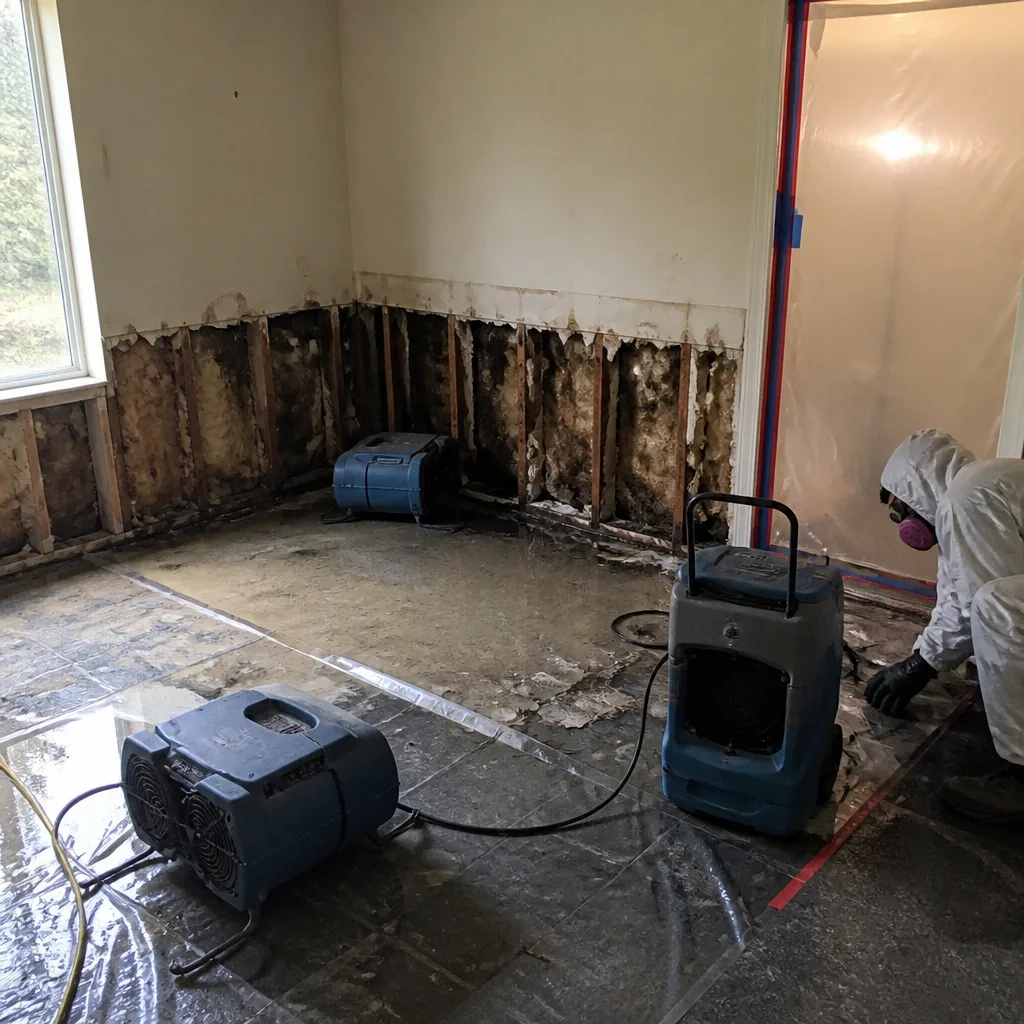 Before
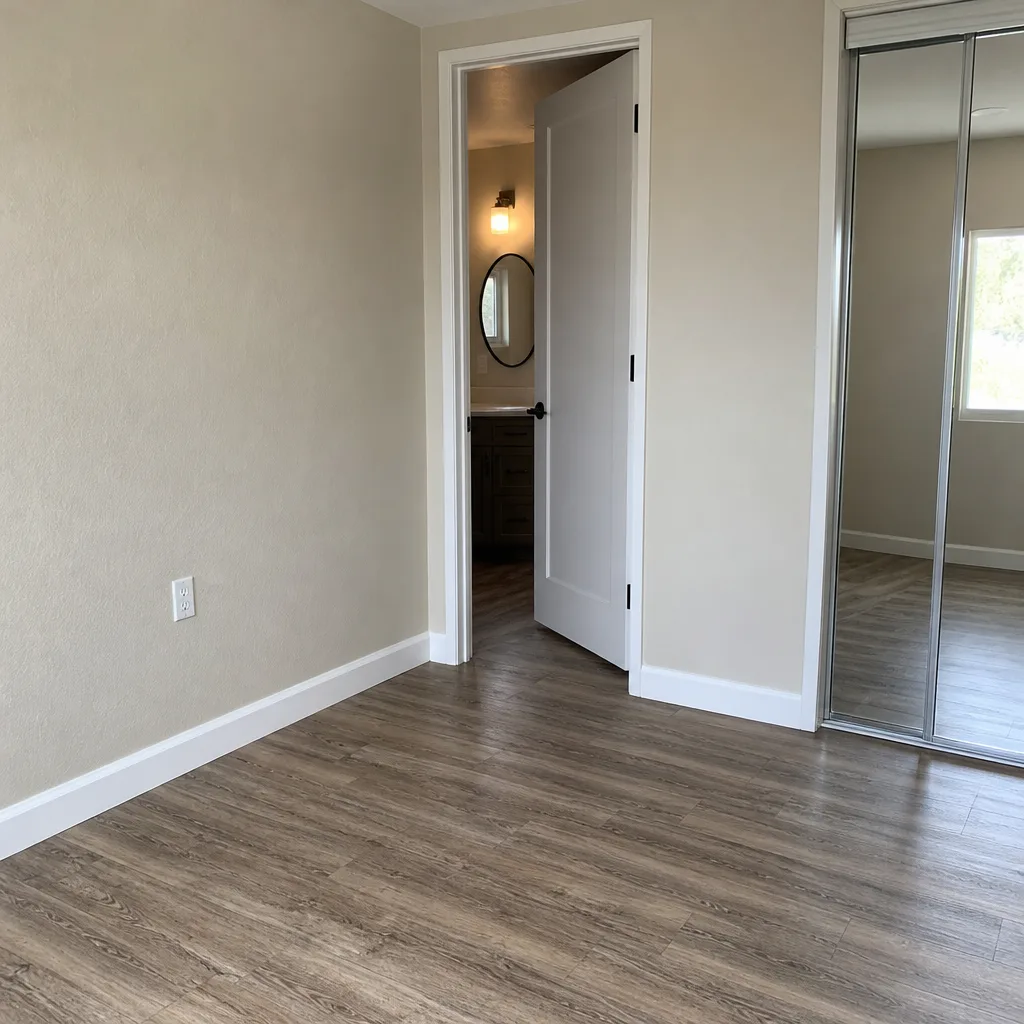 After
After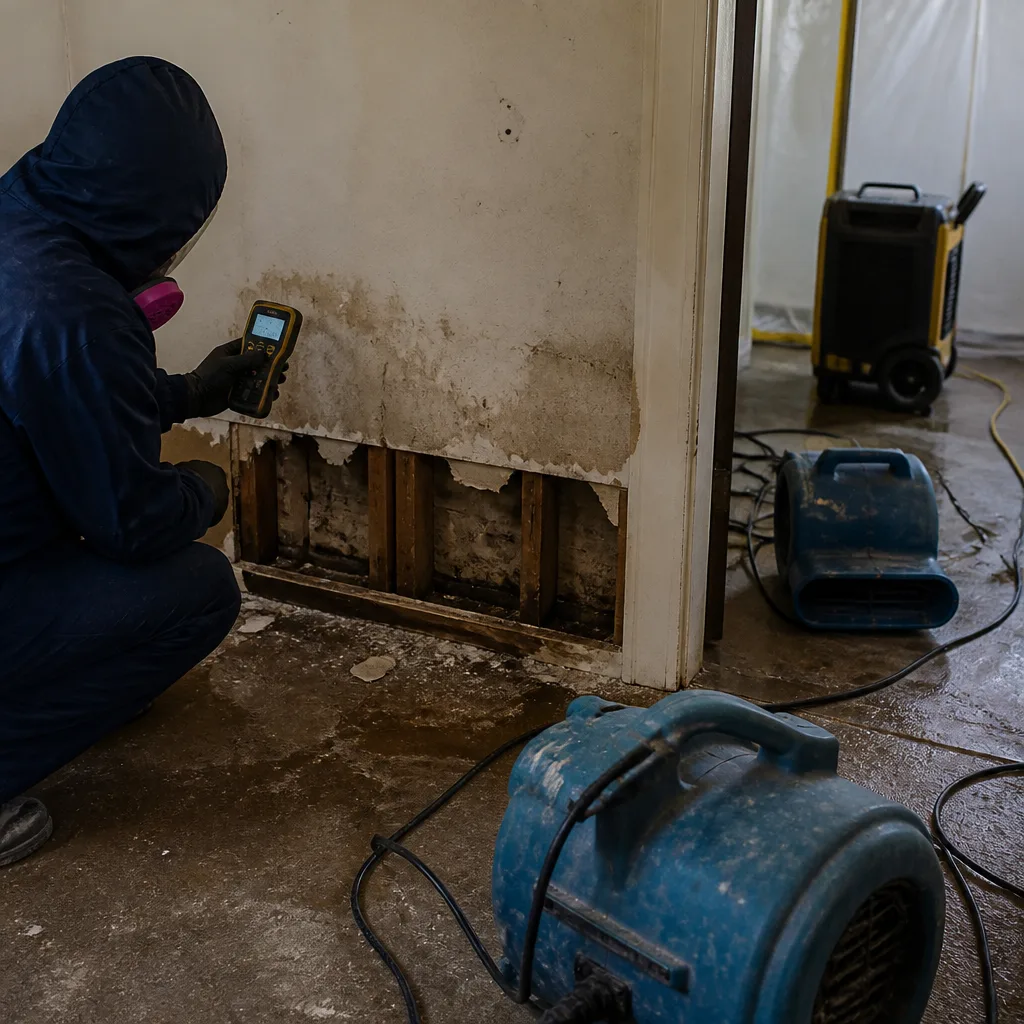 Before
 After
After Before
 After
After