
Last updated October 16, 2026
 Water damage drying
 Fire & smoke cleanup
 Mold remediation
 Storm response
 Sewage cleanup
 Reconstruction
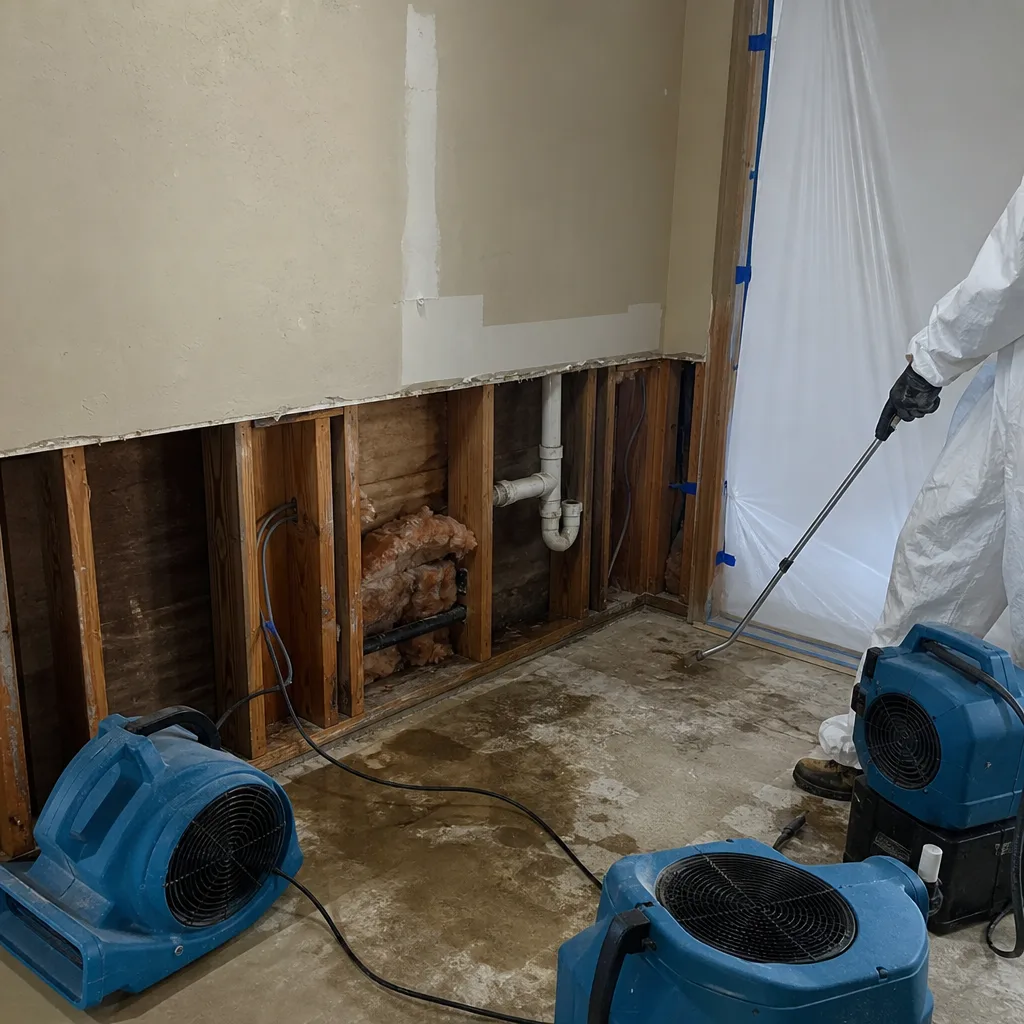
Free visual inspection and a written scope of work before any mitigation begins - photos, moisture readings, and drying logs go in your claim file
The scope we write is the scope we bill. Anything new gets shown to you, in writing, before we touch it.
Get your free estimateWater Damage Restoration Maintenance Checklist for Woodland Hills Homeowners
Hard water in the San Fernando Valley leaves mineral deposits inside supply lines and water heater tanks that shorten their functional life by years. Most Woodland Hills homeowners don’t find out until a fitting fails behind a wall, usually at 2 a.m. on a holiday weekend. This guide-along with The Complete Guide to Damage Restoration in Woodland Hills-is built around the failure points that actually send Woodland Hills neighbors to emergency restoration calls, not the generic PDF checklist you could download from any plumbing site. You’ll learn how to inspect the specific weak points in 1960s through 1980s tract homes, how to read your water bill like a leak detector, and how to document your home’s condition so an insurance claim never gets dismissed as neglect.
Restoration work we handle
Quick Answer
The most effective water damage prevention checklist for Woodland Hills homeowners focuses on four things: quarterly inspections of supply lines and appliance connections, annual water heater and HVAC condensate checks, monthly water bill monitoring for hidden leaks, and photo documentation of every repair and pre-existing condition. Homes built between 1960 and 1990 in Woodland Hills need extra attention on galvanized supply lines and original ABS drain stacks, because hard water mineral buildup accelerates failure in both.
Table of Contents
- Why Hard Water Makes Woodland Hills Homes Different
- How to Read Your Water Bill for Early Leak Detection
- The 1960-1990 Plumbing Stock: What to Inspect First
- Quarterly Inspection Checklist by System
- Slow Leak Signs Under Sinks and Around Toilets
- Documenting Pre-Existing Conditions for Insurance Claims
- Annual Tasks: Water Heater, HVAC, and Irrigation
- Common Mistakes to Avoid
- When to Call a Professional
- Frequently Asked Questions
- The Bottom Line
Why Hard Water Makes Woodland Hills Homes Different
Woodland Hills sits in the San Fernando Valley, where municipal water arrives with a mineral load that most of the country would consider extreme. Calcium and magnesium carbonates dissolve into the supply, and every gallon that passes through your pipes leaves a small deposit behind. Over twenty or thirty years, those deposits become scale. Scale narrows pipe interiors, which raises water pressure at joints and fittings. Scale also settles in water heater tanks, where it insulates the burner from the water, forcing the tank to run hotter and longer than designed. The result is not a single dramatic failure but a slow, cumulative weakening of every metal component in the system.
What we see in Woodland Hills homes is a predictable pattern. A galvanized supply line that has carried hard water for four decades will eventually fail at a threaded joint. A water heater that has never been flushed will overheat at the bottom of the tank and begin to seep. An angle stop under a bathroom sink, packed with mineral deposits, will refuse to close fully when you need to replace a faucet. None of these failures announce themselves in advance. The maintenance checklist below is designed to catch them before the water hits drywall, baseboards, or the subfloor.
If you want to understand how water damage restoration in Woodland Hills works after a failure, the process always starts the same way: extraction, drying, and a written scope for repairs. But prevention costs a fraction of restoration, and most of it is inspection you can do yourself in under an hour per quarter.
How to Read Your Water Bill for Early Leak Detection
Most Woodland Hills homeowners never look at their water bill beyond the total. That is a mistake, because the bill contains a leak detection tool disguised as a line item. The Los Angeles Department of Water and Power bills most Valley homes in hundred cubic feet, or HCF. One HCF is 748 gallons. To get a daily usage number, divide total HCF by the number of days in the billing period, then multiply by 748.
Here is the math most people have never been shown:
- Locate total usage in HCF on your current bill. Example: 24 HCF for a 60-day cycle.
- Divide by days: 24 ÷ 60 = 0.4 HCF per day.
- Multiply by 748: 0.4 × 748 = 299 gallons per day.
- Compare against your baseline. A Woodland Hills household of two adults using indoor water only typically runs 70 to 120 gallons per day. Three to four occupants with irrigation might reach 180 to 220 gallons per day in summer.
- If your number exceeds the baseline by 30 percent or more with no change in occupancy or irrigation habits, start hunting for a leak.
A silent toilet flapper leak can waste 200 to 300 gallons per day without making a sound you’d notice from another room. A pinhole leak in a slab penetration can run for months before staining reaches visible drywall. The water bill is often the first and only early indicator. Check it every month, not every quarter. Write the number down. The trend matters more than any single reading.
The 1960-1990 Plumbing Stock: What to Inspect First
Woodland Hills tract developments built between roughly 1960 and 1990 share a common plumbing profile. Builders in that era used galvanized steel for supply lines, ABS plastic for drain and vent stacks, and copper sparingly, usually only where code demanded it. Each of these materials has a characteristic failure mode, and hard water compounds all of them. If your home falls in this construction window, these three inspection points deserve priority over everything else on this list.
Galvanized Supply Lines
Galvanized pipe is steel with a zinc coating. The zinc erodes over decades, and the exposed steel rusts from the inside out. Hard water scale accelerates the process by creating rough interior surfaces where minerals and rust collect. The pipe eventually closes to the diameter of a drinking straw, and pressure builds behind it. Failure typically occurs at threaded joints, where the wall is thinnest. Look for visible rust, flaking metal, or green-white mineral crust at any exposed pipe section, typically under sinks, at the water heater, or in the garage where the main line enters. If you see a rust-colored stain running down from a joint, the joint is already leaking. Sometimes slowly enough that evaporation hides the puddle, but leaking regardless.
Original ABS Drain Stacks
ABS is a black rigid plastic used extensively for drain, waste, and vent piping in Valley tract homes. It is generally durable, but original installations from the 1960s and 1970s used solvent-welded joints that can separate under decades of thermal expansion and contraction. A separated joint inside a wall cavity leaks only when a fixture above it drains. The water is gray and smells, but the volume per event is small, so visible damage can take months to appear. Listen for a faint dripping sound inside walls after running the shower or flushing a toilet. It often precedes visible damage by weeks.
Slab Penetrations
Most Woodland Hills homes of this era are slab-on-grade. Water supply lines run under the slab and rise through penetrations to feed fixtures. When those lines fail, the water has nowhere to go except under the slab and up through the foundation. The first sign is usually a warm spot on the floor if the hot line is leaking, or a persistent musty odor with no visible source. In some cases, the first sign is a spike in the water bill with no other explanation. Slab leaks require professional detection and repair, but the homeowner can flag the early indicators: unexplained warm floor areas, a water heater that runs more than it used to, or the sound of running water when all fixtures are off.
If any of these conditions exist in your home and you have not had a professional inspection, that inspection belongs at the top of your list. The Keegan Restoration Woodland Hills home page explains our approach to assessing water damage risk before restoration becomes necessary, and a phone call costs less than one day of water damage.
Quarterly Inspection Checklist by System
Four times a year is the right interval for homeowner-level inspection in Woodland Hills. The Valley’s hot summers and occasional winter rain cycles stress different systems at different times, so a quarterly rhythm catches seasonal failures. Each inspection takes under an hour. Do not skip a quarter because nothing was wrong last time. Hard water damage is cumulative, not episodic.
Roof Penetrations
- Walk the property and check every roof penetration you can see from the ground: plumbing vents, furnace flues, skylights, and the mast where electrical service enters.
- Look for lifted flashing, cracked sealant, or staining on the underside of eaves near penetrations.
- After Santa Ana wind events, check for loosened or shifted vent caps.
- Inside, check ceilings directly beneath penetrations for discoloration with a flashlight. Drywall staining from a slow roof leak can remain faint for months before it darkens.
Appliance Connections
- Washing machine hoses: inspect for blisters, cracks, or rust at the crimped metal ends. If the hoses are rubber and more than five years old, replace them with braided stainless steel. This is the single highest-ROI replacement in water damage prevention.
- Refrigerator ice maker line: look for kinks, cracks, or mineral crust at the saddle valve. Saddle valves are common in older Woodland Hills homes and are notorious for slow seepage.
- Dishwasher supply line: check under the sink where the line connects to the angle stop. Water collects there first, so early detection is easy if you look.
- Water heater connections: check flex lines for corrosion at both ends, and the pressure relief valve for any sign of discharge. A pressure relief valve that has ever discharged should be checked by a plumber.
Irrigation Backflow
- Walk each irrigation zone through a full cycle once per quarter, even in winter when the system is dormant.
- Watch for wet spots that persist after a cycle ends, particularly near the backflow preventer and around valves.
- In Woodland Hills, irrigation backflow failures often send water toward the foundation because of the lot grading on hillside and semi-hillside properties. Check the low corner of the yard near the house after each full run.
- If the water bill shows usage you cannot account for in the house, test the irrigation meter separately. A leaking valve can run gallon after gallon into the soil without ever surfacing.
HVAC Condensate Lines
- In summer, check the condensate drain line at the air handler, usually in a closet or the garage.
- Look for water pooled around the unit, a constantly wet drain pan, or a musty smell from the supply vents.
- Valley summers run the AC for months straight, and a clogged condensate line can produce a steady drip that soaks drywall, baseboards, and subfloor directly below the unit.
- Pour a cup of white vinegar down the condensate line once per quarter to slow algae growth. This is a five-minute task that prevents most clogs.
Slow Leak Signs Under Sinks and Around Toilets
An acute failure, the kind where a supply line bursts and floods a room, is rare and unmistakable. What sends most Woodland Hills homeowners to restoration calls is the opposite: a slow leak that ran for weeks or months before anyone noticed. By the time the baseboard swells or the cabinet floor splits, mold and rot are already underway. These are the signs that show up weeks before the damage becomes obvious, if you know where to look.
Under every sink in the house, run your hand along the bottom of the cabinet. Press a paper towel into each corner. If it comes away damp or stained, a leak is active, even if the cabinet bottom looks dry. Water travels to the lowest point, and in a neatly arranged cabinet, the lowest point may be hidden behind cleaning supplies. Check the angle stops where the supply lines connect. Mineral deposits colored green, white, or rust red at the valve indicate a seep that has been ongoing. The valve may not be dripping; evaporation may be keeping the visible surface dry. The crust is the tell.
Around every toilet, look at the caulk line where the base meets the floor. Discoloration, cracking, or a persistent odor means water has found its way under the fixture. The wax ring that seals a toilet to the flange lasts for decades under ideal conditions, but hard water mineral buildup and normal settling can break the seal. When that happens, every flush sends a small amount of water under the tile and into the subfloor. Rocking is not normal. If a toilet moves even slightly when you press your knee against it, the flange or the subfloor beneath it has already begun to fail. The repair is far cheaper before the subfloor rots through.
Behind washing machines, pull the unit out far enough to inspect the wall and floor at the connection point once per year. If the wall shows a water line or the floor feels soft, you have had a slow leak at some point. If the hoses show any of the warning signs described in the quarterly checklist, replace them immediately. A braided stainless steel hose replacement costs under thirty dollars and takes fifteen minutes. The restoration from a burst rubber hose routinely runs into four figures.
Documenting Pre-Existing Conditions for Insurance Claims
The single most common reason a water damage insurance claim is reduced or denied is a finding of “long-term neglect.” The insurer’s position is that the damage accumulated over months or years, and the policy excluded maintenance-related loss. You can counter that finding before it is ever made by documenting conditions on a schedule and keeping records that prove you were inspecting and maintaining the property, as detailed in our Damage Restoration Cost Breakdown: The Woodland Hills Homeowner’s Reference for 2026. It takes less than an hour per quarter, and it can be the difference between a covered claim and a denied one.
Here is the documentation system we recommend to every Woodland Hills homeowner, and we recommend it because we have watched claims go differently depending on whether this file existed:
- Photograph every inspection point on this checklist once per quarter. Do not stage the photos. Capture the actual condition, including existing stains, rust, mineral deposits, and wear.
- Date each batch of photos. Use a photo app that timestamps automatically, or save them in a folder named with the date, for example “2026-Q1-Inspection.”
- Photograph every repair or replacement you make, even a washing machine hose. Photograph the old part before removal and the new part after installation. Keep the receipt.
- Photograph every contractor visit, including the work in progress and the final condition. If a plumber replaces an angle stop, the photo file is your proof that the fixture was serviced.
- Store everything in two places. A local folder on your phone or computer is one. A cloud backup is the second. If the phone is destroyed in the same event that causes the water damage, your documentation survives in the cloud.
- Write a one-line note for each batch: what you inspected, what you found, what you did. The note does not need to be professional. It needs to exist and be dated.
When an adjuster asks why the damage under the kitchen sink is not covered because it “looks old,” your answer is the dated photo showing the area dry and intact six months earlier. That changes the conversation. The documentation matters as much as the inspection itself.
Annual Tasks: Water Heater, HVAC, and Irrigation
Some maintenance only needs to happen once a year, but it needs to happen every year. These are the tasks that address the hard water and summer heat specific to Woodland Hills. Skipping a year is how a water heater that should last twelve years fails at eight and takes out the garage drywall with it.
Water Heater
Flush the tank completely once a year. In Woodland Hills, where the incoming water is hard, sediment accumulation in the bottom of the tank is the leading cause of premature failure. The sediment creates a barrier between the burner and the water, causing the tank to overheat and the steel to weaken. A full flush removes the sediment before it can cook itself into a solid layer. Annual maintenance also includes checking the anode rod, testing the pressure relief valve, and inspecting the flex connectors for corrosion. If you have not had the tank serviced in years, the work belongs with a licensed plumber; the risks of scalding and pressure release are real.
HVAC Condensate System
The quarterly vinegar flush described earlier keeps the line clear, but once a year, the entire condensate system deserves a complete inspection. This includes the drain pan, the float switch that shuts the unit down when the pan fills, the drain line from the coil to the exterior, and the termination point where water exits. In Woodland Hills, the AC runs so many hours each summer that a marginal system can produce gallons of condensation per day. The damage from a failed condensate system almost always runs down through a wall cavity or a ceiling, which means restoration work is more invasive than if the same volume had spilled on a concrete floor.
Irrigation System
Run a full annual inspection of the irrigation system every spring before the dry season starts. This is also the time to check the backflow preventer for proper function and to walk the property while every zone runs. The goal is to see where water pools, where it runs toward the house, and where sprinkler heads spray directly onto siding, stucco, or wood trim. Adjust or cap any head that contacts the structure. Water spraying against stucco over a full Valley summer will find its way behind the surface, and stucco repair is a restoration line item, not a gardener task.
For a deeper look at how these systems connect to the broader work of keeping a house dry, mold remediation in Woodland Hills often starts with the same root cause: water that sat too long in a place nobody was looking. The annual tasks above are the cheapest insurance against ever needing that service.
Common Mistakes to Avoid
- Ignoring the water bill because the dollar amount went down. LADWP adjusts rates, and a usage spike can hide inside a lower total if rates changed. Track HCF, not dollars. The units do not lie.
- Treating a damp cabinet as a one-time cleanup. If the cabinet floor was wet, the subfloor and framing beneath it were wet too. Drying the visible surface does nothing for the cavity. Call a professional before mold gets established.
- Assuming an old house means old pipes and a new house means new pipes. Some Woodland Hills homes built in the 1980s have original galvanized lines, and some 2000s-era homes were plumbed with materials that have since proven unreliable. The build date is a starting point, not a diagnosis.
- Replacing a supply line without shutting off the angle stop, only to discover the angle stop itself has failed. A stuck angle stop that will not fully close is a common Woodland Hills problem on hard water lines. Test the valve before you unscrew anything.
- Skipping the quarterly inspection because nothing is visibly wrong. The whole point of the schedule is to find the problem before it is visible. The quiet quarter is the one where the slow leak is just getting started.
- Documenting only the repairs and not the conditions. An insurance claim needs the “before” photo as much as the “after.” A file full of repair receipts with no dated condition photos proves you fixed things, not that the failure was sudden and accidental.
- Treating the water heater as a “set and forget” appliance. In hard water areas, a water heater without annual flushing is a delayed water damage event, not an appliance. The failure mode is gradual until the day it is sudden.
When to Call a Professional
Some findings on this checklist are homeowner-maintainable. Replacing a washing machine hose, flushing a condensate line, and checking the water bill are all within a careful homeowner’s skill. But when the finding is a leaking slab penetration, a separated drain stack inside a wall, a water heater that has been seeping for an unknown period, or any condition where water has already contacted drywall, framing, or subfloor, the work belongs to a professional. The damage may already be larger than the visible wet spot suggests. Keegan Restoration Woodland Hills offers our Water Damage Restoration services with free estimates in Woodland Hills, and we work to The Garrison Standard: the price goes in writing before any work starts, and every repair carries the 365-Day Done Right Promise. Call (559) 258-5719.
Our technicians run Dri-Eaz extraction and drying equipment and follow IICRC standards on every job. We document everything with photos and formatted reports so your insurance claim has the support it needs. If you have a finding you cannot confidently identify, call the office and describe it to a live person, any hour of any day. The conversation costs nothing and often ends with a clear answer.
Frequently Asked Questions
Quarterly for the systems described in this guide: roof penetrations, appliance connections, irrigation backflow, and HVAC condensate lines. Monthly for the water bill. Annual for the water heater, full HVAC condensate system, and irrigation walkthrough. The quarterly rhythm catches seasonal failures before they compound.
In our experience across Woodland Hills, the most common source is a slow leak at a plumbing connection that ran undetected for weeks or months: an angle stop, a supply line fitting, or a water heater flex line. Burst washing machine hoses and failed water heaters are the most common sudden sources. The slow leaks do more total damage because they saturate the structure before anyone sees a sign.
Hard water mineral deposits accumulate inside pipes, valves, and water heater tanks. The scale narrows pipe interiors, raises pressure at joints, and causes water heaters to overheat at the tank bottom. Over years, these effects weaken metal components until a joint or fitting fails, often behind a wall or under a slab where the water cannot be seen.
Most homeowner policies cover sudden and accidental water damage but exclude loss attributed to long-term neglect. Your best protection is a dated documentation file: quarterly photos, repair receipts, and notes proving you inspected and maintained the systems. A documented condition changes an adjuster’s “neglect” finding into a covered sudden failure. Direct adjuster coordination is part of our restoration process at fire damage restoration in Woodland Hills as well, because both perils share the same claim documentation requirements.
Shut off the fixture’s angle stop if it closes fully, contain the water with towels, and photograph everything before you disturb the area. Then call a restoration professional. Do not run fans or heaters into the wet cabinet, because the water has likely migrated into the wall cavity and subfloor where airflow cannot reach it. Professional extraction and drying equipment is needed to prevent mold and structural damage.
Homes built between 1960 and 1990 carry two specific risks that newer construction does not: galvanized supply lines weakened by decades of hard water scale, and original ABS drain stacks with joints that separate under thermal cycling. The build date alone is not a guarantee of failure, but it is a reason to inspect those systems first and to maintain the documentation file described in this guide. Call (559) 258-5719 for a free estimate if you live in an older Woodland Hills tract home and have never had a professional plumbing inspection.
The Bottom Line
A water damage prevention checklist that ignores Woodland Hills’ hard water and its 1960s through 1980s plumbing stock is not a local checklist. The failure points in your home are knowable, and the inspection schedule is simple. Read your water bill every month. Inspect the four quarterly systems without skipping a quarter. Flush the water heater, clear the condensate line, and check the irrigation backflow every year. Document everything with dated photos and keep the file in two places. Most water damage in Woodland Hills starts as a small, slow leak that was findable weeks or months before it reached the drywall. The tools to find it early are in this guide and in more guides & resources on our site. If you find something you cannot identify, Keegan Restoration Woodland Hills will look at it, put the price in writing, and stand behind the work for a full year. Call (559) 258-5719.
Written by Shane Pruitt, Owner at Keegan Restoration Woodland Hills, serving Woodland Hills since 2005.
See the difference
 Before
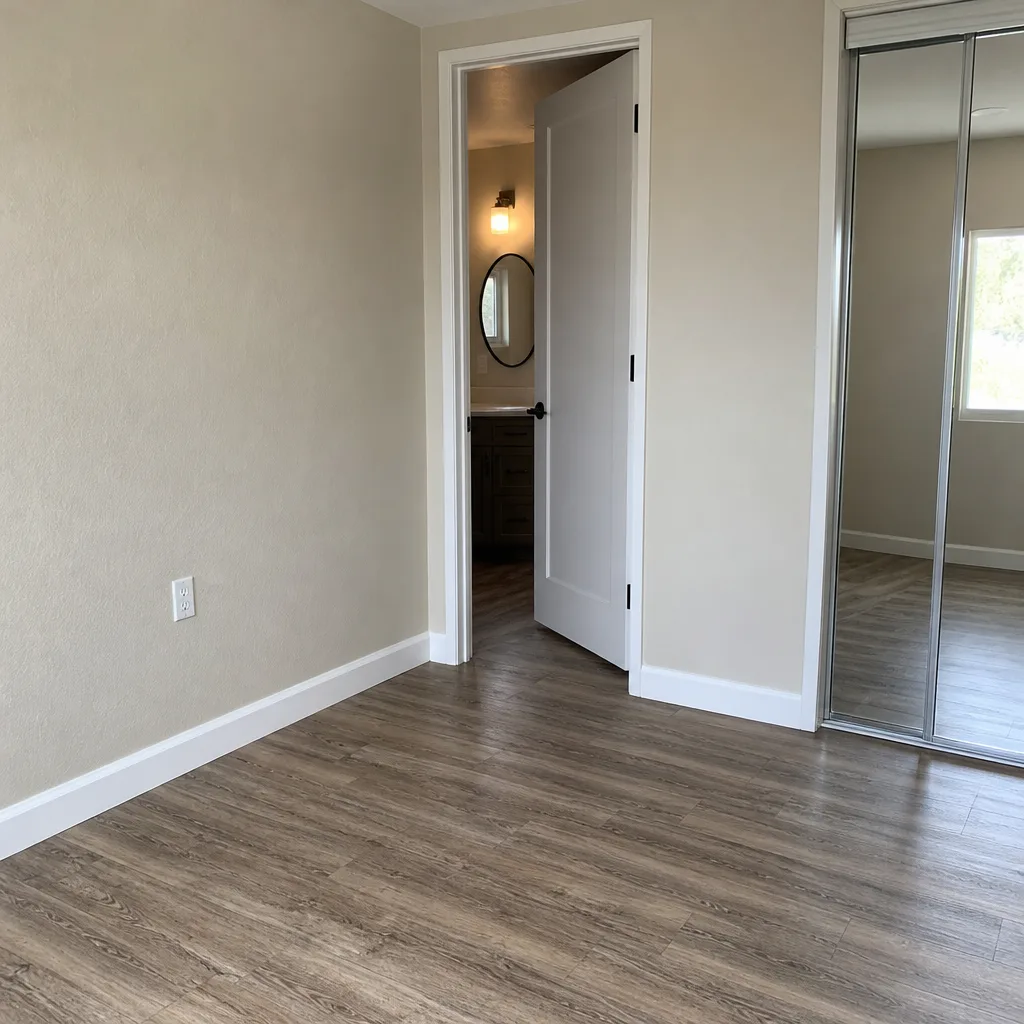 After
After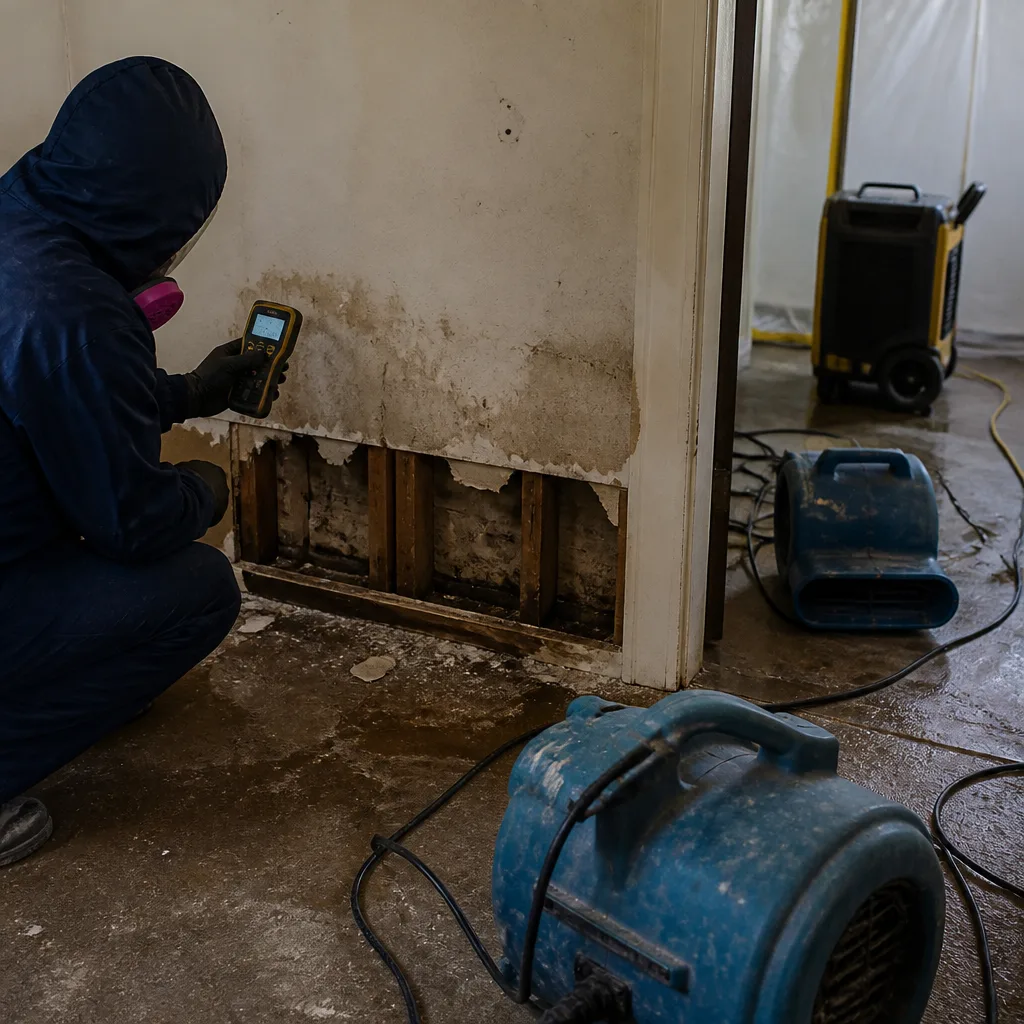 Before
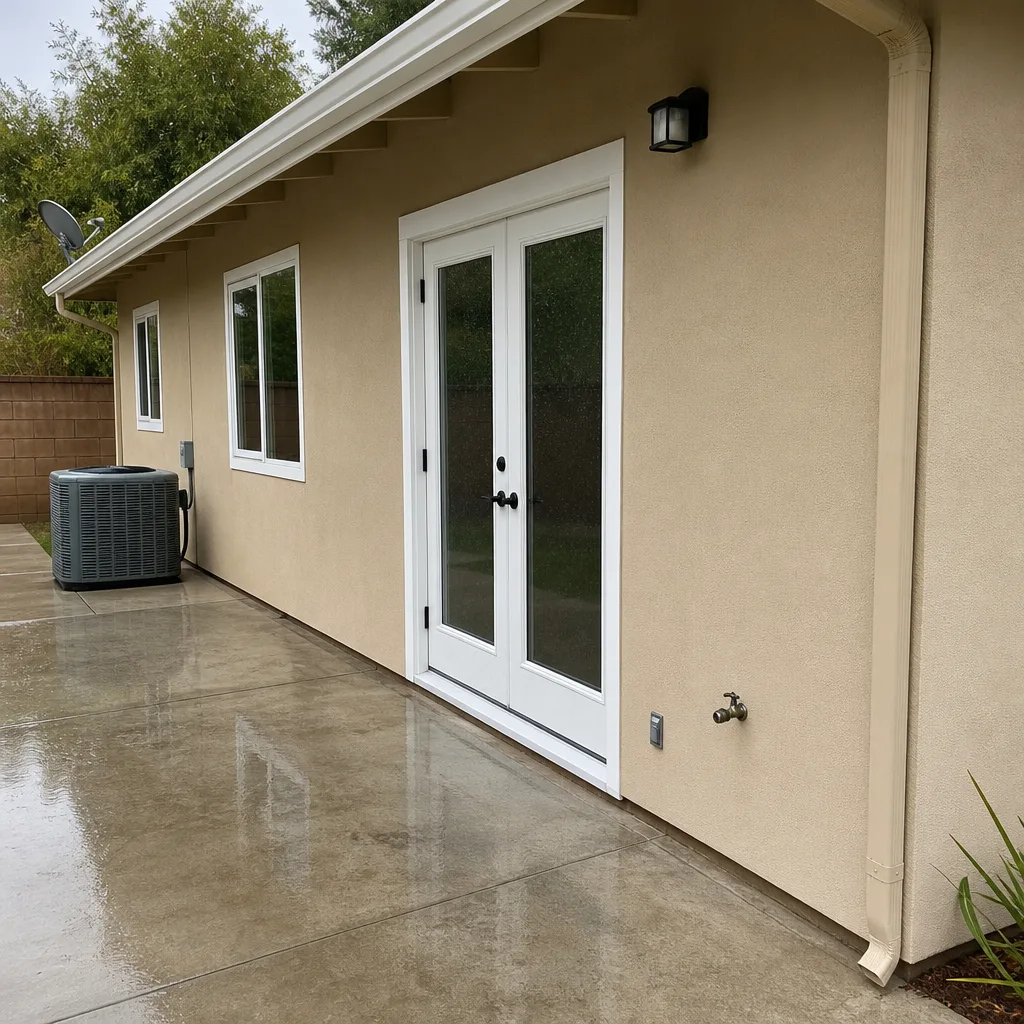 After
After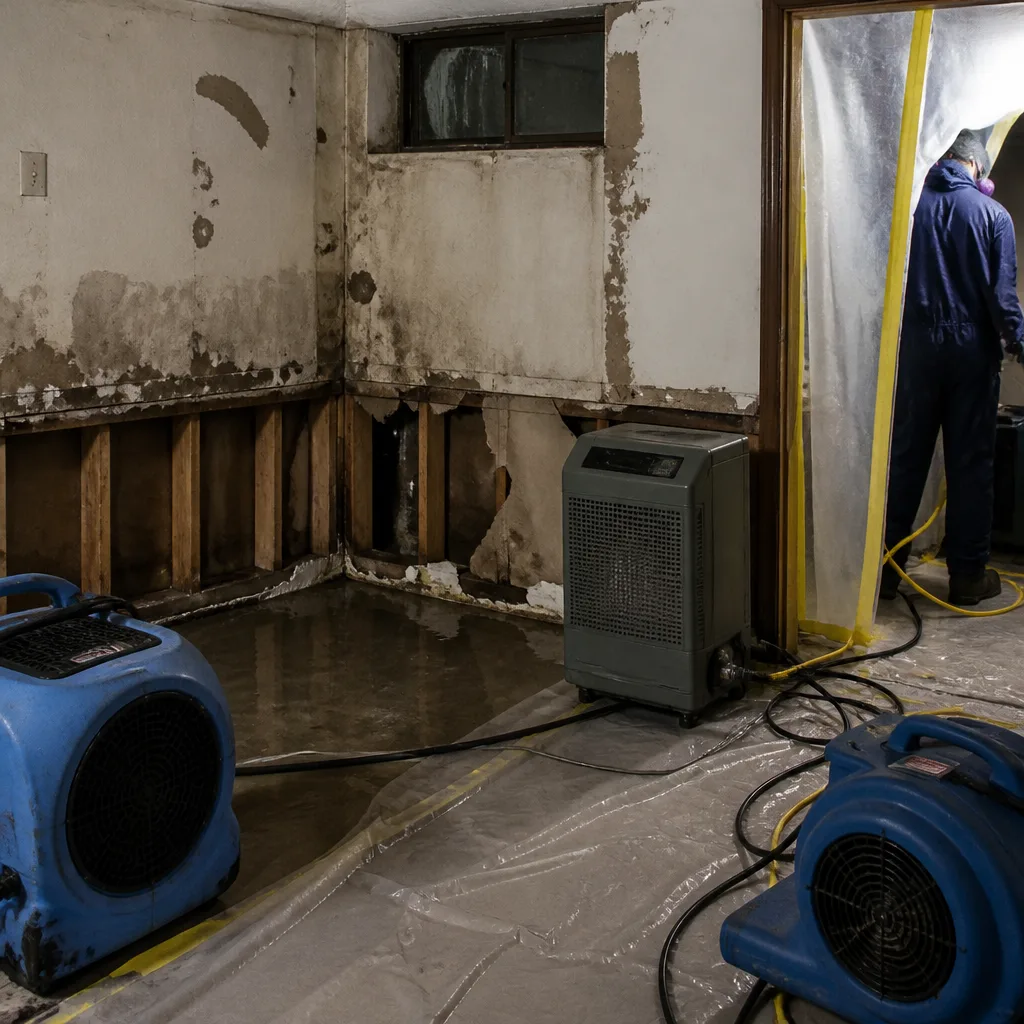 Before
 After
After