
Last updated October 16, 2026
 Water damage drying
 Fire & smoke cleanup
 Mold remediation
 Storm response
 Sewage cleanup
 Reconstruction
Free visual inspection and a written scope of work before any mitigation begins - photos, moisture readings, and drying logs go in your claim file
The scope we write is the scope we bill. Anything new gets shown to you, in writing, before we touch it.
Get your free estimateDamage Restoration Cost Breakdown: The Woodland Hills Homeowner’s Reference for 2026
National cost averages for damage restoration are close to meaningless when you live in Woodland Hills. A water loss that a national blog prices at $4,500 routinely runs $18,000 to $30,000 here before anyone touches a paintbrush. LA County labor rates, disposal fees tied to California environmental rules, and the simple fact that Woodland Hills homes skew toward original hardwood, plaster walls, and hillside access challenges all push real invoices well past what a homeowner finds in a thirty-second Google search. This guide breaks down what restoration actually costs in Woodland Hills in 2026, line by line, so you can walk into an adjuster meeting or a contractor estimate with working numbers instead of national averages. For Damage Restoration Warning Signs: A Woodland Hills Homeowner’s Reference Guide, see our companion resource.
Quick Answer
Water damage restoration in Woodland Hills typically runs $12,000 to $30,000 for a Category 2 loss in a 1,500 to 2,500 square foot home, fire damage restoration lands between $15,000 and $60,000 depending on smoke spread and structural involvement, and mold remediation averages $4,000 to $18,000 for a contained area. The single biggest variable in your final invoice is not the damage itself. It is whether the contractor you hired put the price in writing before work started, or left the scope open to “conditions discovered during work.” That difference alone can move a final bill by $10,000 or more on the same house.
Restoration work we handle
Table of Contents
- Why National Averages Fail Woodland Hills Homeowners
- Water Damage Cost Breakdown: Line Items Explained
- Fire Damage Cost Breakdown: What Smoke and Soot Really Cost
- Mold Remediation Cost Breakdown: What You Are Actually Paying For
- The Time Multiplier: 24 Hours vs 72 Hours vs One Week
- How Adjuster Estimates Work and Where They Undervalue Scope
- Reading a Restoration Contract: Fixed Price vs Open Language
- Common Mistakes to Avoid
- When to Call a Professional
- Frequently Asked Questions
Why National Averages Fail Woodland Hills Homeowners
The $3,000 to $7,000 water damage figure you see on national home services blogs is built from a dataset that includes homes in Ohio, Texas, and rural Georgia. It does not reflect what it costs to dry out a house in Woodland Hills, where a journeyman carpenter bills $45 to $65 per hour, a licensed plumber charges $90 to $140 per hour, and the landfill fee to dispose of waterlogged building material runs $90 to $180 per ton depending on the material classification. California is simply more expensive to do business in, and every one of those costs shows up on your restoration invoice.
Then there is the housing stock itself. A significant portion of Woodland Hills homes were built between 1950 and 1980, which means plaster over wood lath instead of drywall, original oak or maple flooring instead of engineered planks, and framing dimensions that no longer match off-the-shelf lumber. Plaster does not dry like gypsum board. It holds water longer, it cracks when the house settles after a major dry-out, and it costs three to four times more per square foot to patch and skim coat than a drywall repair. Original hardwood that has been soaked for two days will cup, crown, or delaminate, and matching the existing species, board width, and finish means milling custom stock, not grabbing a bundle from the home center. In our experience running Water Damage Restoration in Woodland Hills, we regularly see material matching alone add $3,000 to $8,000 to a job that a tract-home estimate would never include.
Hillside access is the third multiplier. Many Woodland Hills properties sit on slopes, with narrow driveways, retaining walls, and limited staging areas for equipment. A drying job that takes two standard air movers and a dehumidifier in a flat-lot Sherman Oaks home may require five air movers, a desiccant unit, and two additional days of runtime when the affected area is a below-grade room on a hillside with poor natural ventilation. Every extra day of equipment runtime is a line item. Every extra trip up a steep driveway with demolition debris is a line item. National averages do not have a column for that.
Water Damage Cost Breakdown: Line Items Explained
When a water loss hits a Woodland Hills home, the restoration invoice is not a single number. It is a sequence of line items, and each one follows a trade-specific labor rate and material cost. Here is what a Category 2 water loss (contaminated water from a washing machine overflow, dishwasher discharge, or sump failure) in a 1,800-square-foot home with original hardwood and plaster walls actually looks like in 2026.
| Line Item | Typical Range (Woodland Hills, 2026) | What Drives the Cost |
|---|---|---|
| Emergency water extraction | $800 – $2,500 | Number of affected rooms, flooring type, access difficulty |
| Drying equipment and monitoring | $1,200 – $4,000 | Square footage, runtime days, desiccant vs conventional units |
| Demolition and debris removal | $1,500 – $6,000 | Plaster vs drywall, flooring type, disposal fees |
| Antimicrobial treatment | $400 – $1,800 | Affected area size, material porosity |
| Structural repair (framing, subfloor) | $2,000 – $9,000 | Extent of rot, joist replacement, access |
| Finish work (plaster, paint, trim) | $3,000 – $12,000 | Material matching, custom millwork, paint grade |
| Flooring replacement | $4,000 – $15,000 | Species matching, board width, finish schedule |
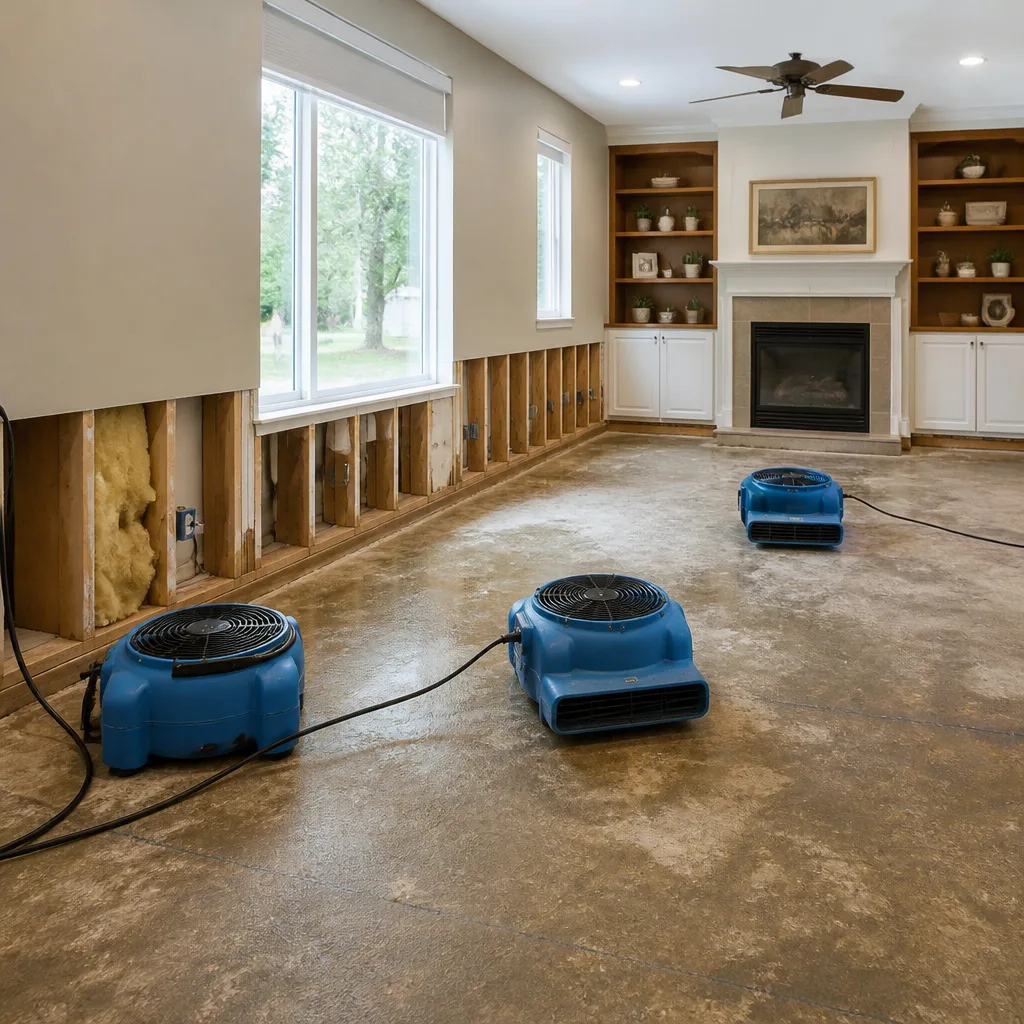
The numbers above assume a licensed restoration contractor doing the work to IICRC standards with professional-grade equipment. A contractor running XPOWER air movers and Injectidry wood floor drying mats will charge more per day than a handyman with a box fan, but the dry-out will actually work-see DIY vs Professional Damage Restoration: The Woodland Hills Homeowner’s Decision Guide for a full comparison. A box fan does not pull moisture from inside a plaster wall cavity. A professional drying system does, and the difference shows up in whether the job is finished in four days or whether the homeowner is dealing with mold behind the baseboards six months later.
Demolition is where Woodland Hills homeowners get surprised more than anywhere else. Removing drywall is cheap. Removing plaster over wood lath is slow, dusty, heavy work, and disposal of plaster goes to a different waste stream than gypsum board. When we quote a job for a homeowner in Woodland Hills with a post-war ranch house, the demolition line is routinely double what a drywall house in a newer development would cost. That is not contractor markup. That is the actual labor and disposal cost of working on a house built before 1980.
Fire Damage Cost Breakdown: What Smoke and Soot Really Cost
Fire restoration in Woodland Hills is not just hauling out burned framing and putting up new drywall. The expensive work is the smoke and soot that traveled through the house, and the water that the fire department used to put the fire out. A kitchen fire contained to one room can still mean a $25,000 to $40,000 restoration bill when the smoke spread through the HVAC system, the water from the fire hose soaked the ceiling below, and the soot embedded itself in every porous surface in the house.
Here is the line item sequence for a typical mid-size kitchen fire restoration in Woodland Hills:
- Water extraction and drying ($2,500 – $7,000): The fire department delivered hundreds of gallons of water into the structure. That water has to come out before any rebuild work starts, or the house grows mold inside the walls. This is fire restoration cost that homeowners never anticipate.
- Soot and smoke remediation ($3,000 – $12,000): Soot is acidic and it bonds to paint, drywall, plaster, and fabric. Every affected surface gets chemically cleaned or sealed. Ceilings and walls get sponge-cleaned, then sealed with a shellac-based primer. Upholstery and carpet get HEPA-vacuumed and cleaned. This is painstaking, square-foot work.
- Demolition of fire-damaged structure ($2,000 – $10,000): Burned framing gets cut out, water-damaged drywall or plaster gets removed, and everything goes to appropriate disposal. Fire debris often requires special handling in California.
- Structural rebuild ($4,000 – $20,000): New framing, sheathing, insulation, and drywall or plaster. In Woodland Hills homes with plaster walls, this means the patched areas go back as plaster, not drywall, if the homeowner’s policy or preference calls for like-kind material.
- HVAC cleaning and duct replacement ($1,500 – $5,000): Smoke travels through the duct system, and if the ducts are not cleaned or replaced, the house will smell like the fire for years. This is one of the most commonly missed line items in initial adjuster estimates.
- Finish work ($5,000 – $18,000): Paint, trim, cabinetry, countertops, flooring, and any custom work to match the existing house. Material matching in an older Woodland Hills home adds meaningfully here.
If the fire is significant enough to require Fire Damage Restoration in Woodland Hills, the answer is not a week of work. A full kitchen fire restoration with smoke spread is a four to ten week project when the structural rebuild and finish work are included. That timeline matters for insurance Additional Living Expense claims and for making decisions about whether to stay in the house during the work.
Mold Remediation Cost Breakdown: What You Are Actually Paying For
Mold remediation in Woodland Hills costs more per square foot than in drier parts of the country because the climate here invites the problem. The marine layer that rolls in from the Pacific keeps relative humidity elevated, and when a leak goes unrepaired, the conditions for mold growth are present year-round. A contained bathroom mold issue in a Woodland Hills home might run $3,500 to $7,000. A crawl space with widespread growth can exceed $20,000.
What you are actually paying for when you hire a mold remediation contractor:
- Containment and negative air ($800 – $2,500): The affected area gets sealed with plastic sheeting and a negative air machine pulls contaminated air through HEPA filtration. This prevents spores from spreading to clean rooms during the work. It is the first line item and it is not optional.
- Source removal ($1,500 – $8,000): Moldy drywall, plaster, insulation, carpet, or cabinetry gets removed and bagged for disposal. The removal has to be followed by HEPA vacuuming of all surfaces in the containment area to capture settled spores.
- Antimicrobial application and drying ($500 – $2,000): After the source is removed, affected framing and surfaces get treated with an antimicrobial product and the area gets dried to a moisture content that will not support regrowth. This is the step that separates a real remediation from a bleach-and-paint job.
- Post-remediation verification ($400 – $1,200): An independent indoor air quality assessment confirms that the spore count has returned to normal background levels. In our experience this is a step that separates professional remediation from a cosmetic fix, and it is often required by the homeowner’s insurance carrier before they will close the claim.
- Rebuild of removed materials ($2,000 – $10,000): The drywall, insulation, and finish work that was removed during remediation has to go back in. This is technically a separate scope from the remediation itself, and whether it is included in the remediation contract or bid separately is a question every Woodland Hills homeowner should ask before signing.
Mold Remediation in Woodland Hills is not a one-day job when done properly. A contained bathroom remediation with rebuild typically runs four to eight days. A crawl space job can run two to three weeks. Anyone who tells you they can remediate a mold problem in an afternoon is not doing the job to the standard your insurance adjuster expects to see.
The Time Multiplier: 24 Hours vs 72 Hours vs One Week
The cost of a water loss is not fixed at the moment the pipe bursts. It multiplies every day the water sits. Here is what the time multiplier looks like in actual dollar figures for a typical Woodland Hills water loss, based on the jobs we have scoped and restored this year.
24 hours: Water extracted within the first day, drying equipment placed, monitoring begins. In this window, the typical outcome is that flooring and drywall can be saved in most affected areas, and the restoration scope is limited to extraction, drying, and minor repairs. Typical total: $3,000 to $8,000 depending on the affected square footage. The water never has time to wick up the drywall, so demolition is minimal. Original hardwood flooring can usually be dried in place with Injectidry mats rather than torn out and replaced.
72 hours: Water has now saturated the drywall, wicking up from the baseboards into the wall cavities. The wood subfloor is fully soaked. Mold spores that exist in every home have found a wet, warm environment and are beginning to colonize. The scope now includes cutting out and replacing the bottom two feet of drywall in every affected room, pulling and replacing the baseboards, treating the framing behind the walls with antimicrobial, and running the drying equipment for several additional days. Typical total: $12,000 to $22,000. The hardwood flooring is now a judgment call, and in many cases it gets pulled because it has already cupped beyond the point of successful drying and refinishing.
One week: The water loss has now been running for seven days. Drywall is saturated full-height in the affected rooms. Mold is established in the wall cavities and on the back side of the baseboards. The insulation is soaked and has to come out. The subfloor is structurally compromised in areas. The scope now includes full demolition of the affected rooms, mold remediation as a separate line item, structural drying, and a comprehensive rebuild. Typical total: $25,000 to $40,000 for a moderate loss. On a larger loss, the number climbs from there.
That is the same water leak. The difference between the first number and the last number is time. A homeowner who calls a restoration contractor in Woodland Hills the day the leak happens saves themselves $15,000 or more compared to the homeowner who waits a week. The math is not complicated.
How Adjuster Estimates Work and Where They Undervalue Scope
Your insurance adjuster generates an estimate using software called Xactimate, which pulls pricing data for specific zip codes. In theory, that means the adjuster’s estimate reflects local Woodland Hills labor and material costs. In practice, the software defaults to the minimum plausible scope for every line item, and the adjuster’s job is to open the claim at the lowest defensible number and let the restoration contractor argue it upward. That is the system.
Here are the specific line items most commonly missed or undervalued in initial adjuster worksheets for Woodland Hills claims:
- Plaster repair instead of drywall patch: Xactimate defaults to drywall unless the contractor explicitly changes the wall type. If your house has plaster walls and the adjuster’s worksheet says drywall, your final repair number will be thousands of dollars short. A restoration contractor who knows the house is plaster has to flag that on day one.
- Hardwood floor drying versus replacement: The adjuster’s initial worksheet often prices for carpet removal and replacement even when the house has original hardwood. Even when hardwood is correctly identified, the adjuster may default to drying the floor in place when the floor actually needs to be pulled, transported, and reinstalled, or replaced with matching material. That difference is $5,000 to $12,000 on a typical affected area.
- Hillside access and staging: The software does not know your driveway is a forty-degree slope or that there is nowhere to park a debris dumpster. Access premiums, extra labor for material transport, and staging limitations are real costs that have to be manually added to the estimate.
- HVAC cleaning after a fire: This is the most consistently omitted line item in fire restoration claims. The adjuster’s worksheet handles the visible damage, not the smoke that is inside the ducts. If the duct cleaning is not added, the homeowner discovers six months later that the house still smells like smoke and the claim is closed.
- Post-remediation verification for mold: The adjuster’s initial mold scope often ends at source removal and antimicrobial application. The independent air quality test that confirms the remediation worked gets left off, and the homeowner ends up paying for it, or the claim gets reopened when the mold comes back.
- Additional Living Expense timing: When a job runs longer than the adjuster’s initial timeline because the scope was understated at the start, the homeowner may exhaust their ALE coverage before the work is done. A realistic timeline from an experienced contractor protects that coverage.
Every job we run at Keegan Restoration Woodland Hills home is documented and formatted to support the insurance claim. Photo documentation, moisture readings, drying logs, and equipment placement records all become part of the claim file. That documentation is what makes the difference between an adjuster approving the real scope and an adjuster standing on the initial understated worksheet.
Reading a Restoration Contract: Fixed Price vs Open Language
The single most important document in your damage restoration project is not the estimate. It is the contract, and specifically what the contract says about whether the price can change. Most restoration contractors in Woodland Hills use one of two contract structures, and the difference between them is worth serious attention.
Fixed price: The contractor walks the loss, writes a scope of work, and puts a number on it. That number is the number. If the contractor finds additional damage during the work that was not visible at the initial inspection, the contractor has to negotiate a change order with you before any additional work is done. The advantage is that you know the worst case before demolition starts. The disadvantage is that the initial scope has to be written by someone who actually knows what they are looking at, or the change orders will come anyway. A fixed price is only as good as the initial inspection behind it.
Time and materials with open language: The contract says the contractor will charge for labor and materials as the work progresses, and the scope is subject to “conditions discovered during work.” This is where the horror stories come from. The initial estimate says $12,000. The final invoice says $38,000. The contractor did not necessarily do anything wrong, but the contract language gave them an unlimited ceiling. A homeowner in Woodland Hills who signs an open-language contract without a not-to-exceed cap is taking on all the financial risk of the unknowns, and when the unknowns appear, the contractor has no incentive to find the efficient solution.
When we scope a job, the written price is delivered before any work starts, and it does not move at the door. That is the Garrison Standard, and it applies to every job. What the homeowner gets is a written scope of work and a written price that covers that scope. If something outside the scope is discovered, it gets a written change order and a conversation before any additional work is authorized. That structure exists so that the homeowner never discovers the final number is double the estimate when the invoice arrives.
Here is how to read a restoration contract in Woodland Hills and confirm the price is actually fixed:
- Look for the scope of work. If the contract does not include a written scope, the price is not fixed. The scope is what defines what the price covers.
- Look for a not-to-exceed number. If the contract is time and materials, is there a hard ceiling? If not, you do not have a price. You have an open checkbook.
- Look for the change order clause. A legitimate fixed-price contract explains what happens when additional work is needed. That clause should require written authorization from you before any additional work proceeds.
- Look for the guarantee. What happens if the work fails? At Keegan Restoration Woodland Hills, every repair is backed by the 365-Day Done Right Promise. If the repair fails within one year, we return and make it right at no charge. That guarantee is in writing, and it is part of the contract.
A restoration contract in Woodland Hills should be boring. It should read like a specification document, not a sales pitch. If the language is vague about what is covered and what happens if conditions change, the contract is doing exactly what the contractor who wrote it intended.
Common Mistakes to Avoid
- Waiting a few days before calling. A water loss that costs $5,000 on day one costs $20,000 on day five. The time multiplier is the most expensive line item in restoration, and it is entirely within the homeowner’s control.
- Taking the adjuster’s first worksheet as the final word. The initial adjuster estimate is an opening position, not a settlement. Missing line items on plaster walls, hardwood floors, HVAC cleaning, and post-remediation verification are routine, and an experienced restoration contractor knows exactly where to look for them.
- Hiring the cheapest bid without reading the scope. A $3,000 extraction and drying quote next to a $5,500 quote typically means the cheap bid is not including the same equipment, the same drying protocol, or the same demolition scope. You cannot compare two numbers if the scopes behind them are different.
- Signing an open-language contract without a not-to-exceed clause. A price that can move later is not a price. The contract has to put the number in writing and explain what happens if conditions change.
- Overlooking the drying equipment quality. A restoration contractor running professional-grade equipment from Dri-Eaz and Phoenix charges more per day than a handyman with rented box fans, but the drying actually works. A failed drying job means mold, and the mold remediation costs more than the drying would have in the first place.
- Assuming fire restoration ends at visible damage. Smoke travels. If the ducts are not cleaned and sealed, the house smells like the fire for years. If the framing is not sealed after soot cleaning, the odor comes back through the new paint.
- Choosing a contractor based on insurance carrier preference alone. Your insurance carrier’s preferred vendor program exists to control costs, not necessarily to prioritize the quality of the restoration. You have the right to choose your own contractor, and in California that right is protected. Choose the contractor whose contract puts the scope and price in writing.
When to Call a Professional
A water loss, a fire, or a discovered mold problem in a Woodland Hills home is not a weekend project. The moment water has moved beyond a single contained spill, you are dealing with moisture inside wall cavities, under flooring, and in materials that will not dry on their own. Call a professional immediately if the water has been running for more than a few hours, if the affected area includes walls or flooring, if there is any chance the water is contaminated (sewage, dishwasher discharge, washing machine overflow), if you see visible mold growth larger than a few square feet, or if a fire has left smoke odor in any part of the house. The time multiplier applies from the moment the damage occurs, and the fastest way to cap the cost is to get a drying plan in place that day. Browse more guides & resources on protecting your Woodland Hills home. Keegan Restoration Woodland Hills offers free estimates in Woodland Hills. Call (559) 258-5719 and a live person answers, 24 hours a day, 7 days a week.
Frequently Asked Questions
Water damage restoration in Woodland Hills typically costs between $12,000 and $30,000 for a Category 2 loss in a 1,500 to 2,500 square foot home, depending on how quickly the water is extracted and whether the damage reached the walls, flooring, and subfloor. A small, contained leak caught on day one might run $3,000 to $8,000, while a multi-room loss left for a week will exceed $25,000. Call (559) 258-5719 for a free estimate on your specific loss.
Most standard homeowner’s policies in California cover sudden and accidental water damage from burst pipes, appliance failures, and storm intrusion, but not gradual leaks, flooding from outside sources, or neglect. The claim is paid based on the scope of work documented by the restoration contractor, which is why thorough photo documentation, moisture readings, and drying logs matter to your payout.
LA County labor rates, California disposal fees, and the older Woodland Hills housing stock all drive restoration costs above national averages. Plaster walls, original hardwood floors, and hillside access challenges add line items that do not appear in estimates for newer, flat-lot tract homes. A homeowner restoring a post-war Woodland Hills ranch house is paying for material matching and access logistics that a national cost average never accounts for.
A restoration contractor with 24/7 dispatch can have a crew on site in Woodland Hills within hours of your call, and that speed is the single biggest factor in keeping the final cost down. Keegan Restoration Woodland Hills answers the phone live 24 hours a day, 7 days a week, and dispatches background-checked, uniformed technicians from a local location running to the Garrison Standard. Call (559) 258-5719.
If the mold growth covers more than about ten square feet, if it is inside the wall cavity, or if it is in porous material like drywall, insulation, or carpet, a surface cleaning will not solve the problem. The mold colony extends beyond what is visible, and the source of moisture has to be eliminated or the mold will regrow. A professional remediation includes containment, source removal, antimicrobial treatment, and verification testing.
Your restoration contractor should work directly with your adjuster to document the scope, submit the appropriate paperwork, and advocate for a complete and accurate estimate. At Keegan Restoration Woodland Hills, every job is documented and formatted to support your insurance claim, and our team coordinates directly with the adjuster so the real scope gets covered. Call (559) 258-5719 to get the process started.
The Bottom Line
Restoration costs in Woodland Hills are driven by three things: what happened, how long it sat, and who you hired. The first two you cannot always control. The third is entirely your decision. A contractor who walks the loss, writes a scope, puts the price in writing before any work starts, and stands behind the repair for a full year is not the cheapest bid. But that contractor is the one whose final invoice matches the number you were quoted, whose documentation supports your insurance claim, and whose guarantee means you are not paying twice for the same repair. In our experience in Woodland Hills, that is the only kind of restoration contract worth signing.
Written by Shane Pruitt, Owner at Keegan Restoration Woodland Hills, serving Woodland Hills since 2005.
See the difference
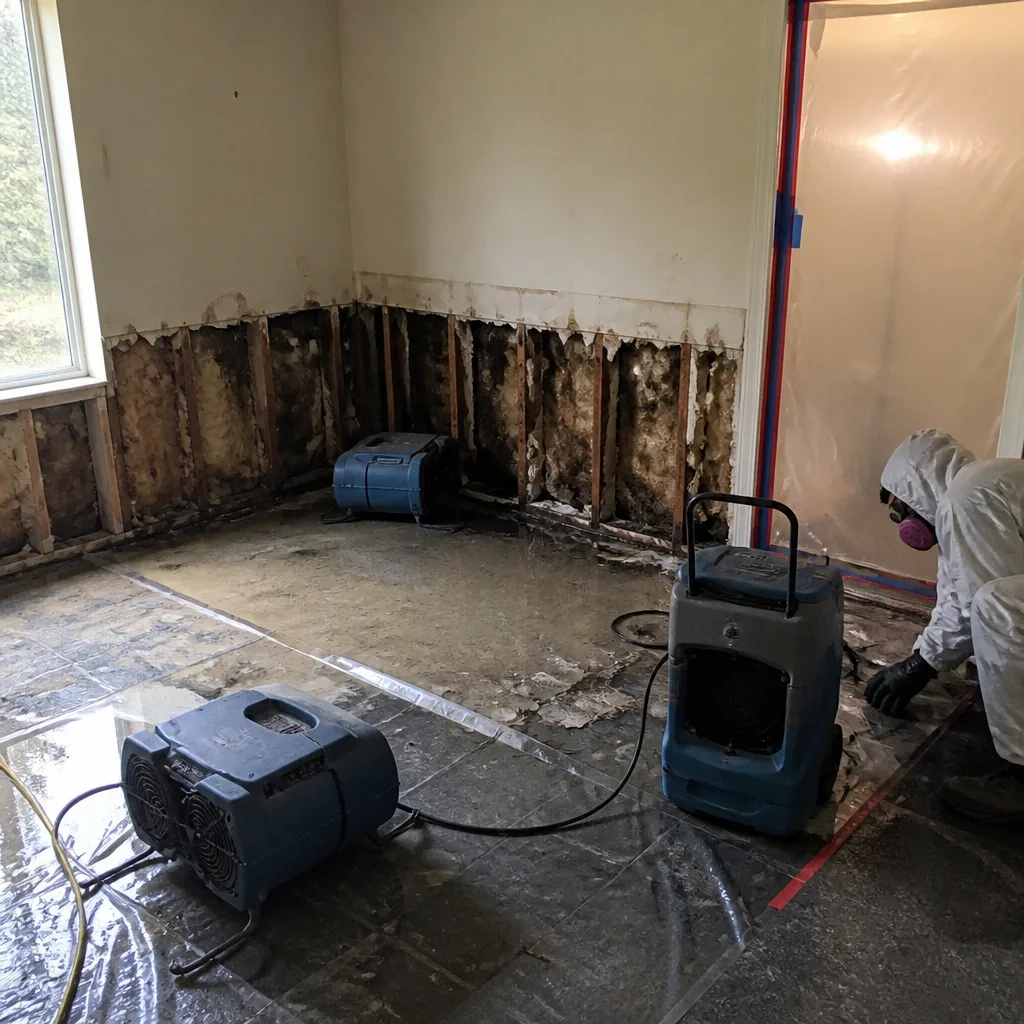 Before
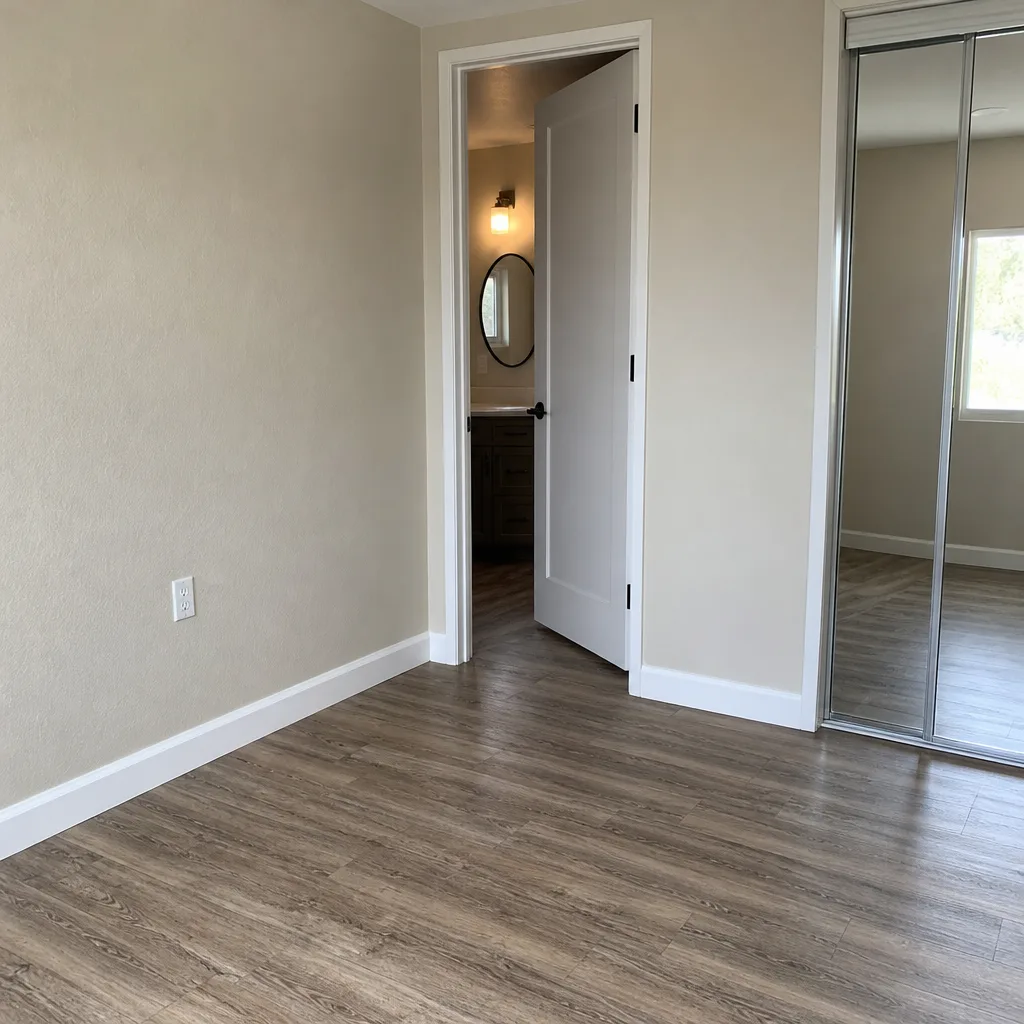 After
After Before
 After
After Before
 After
After