
Last updated October 16, 2026
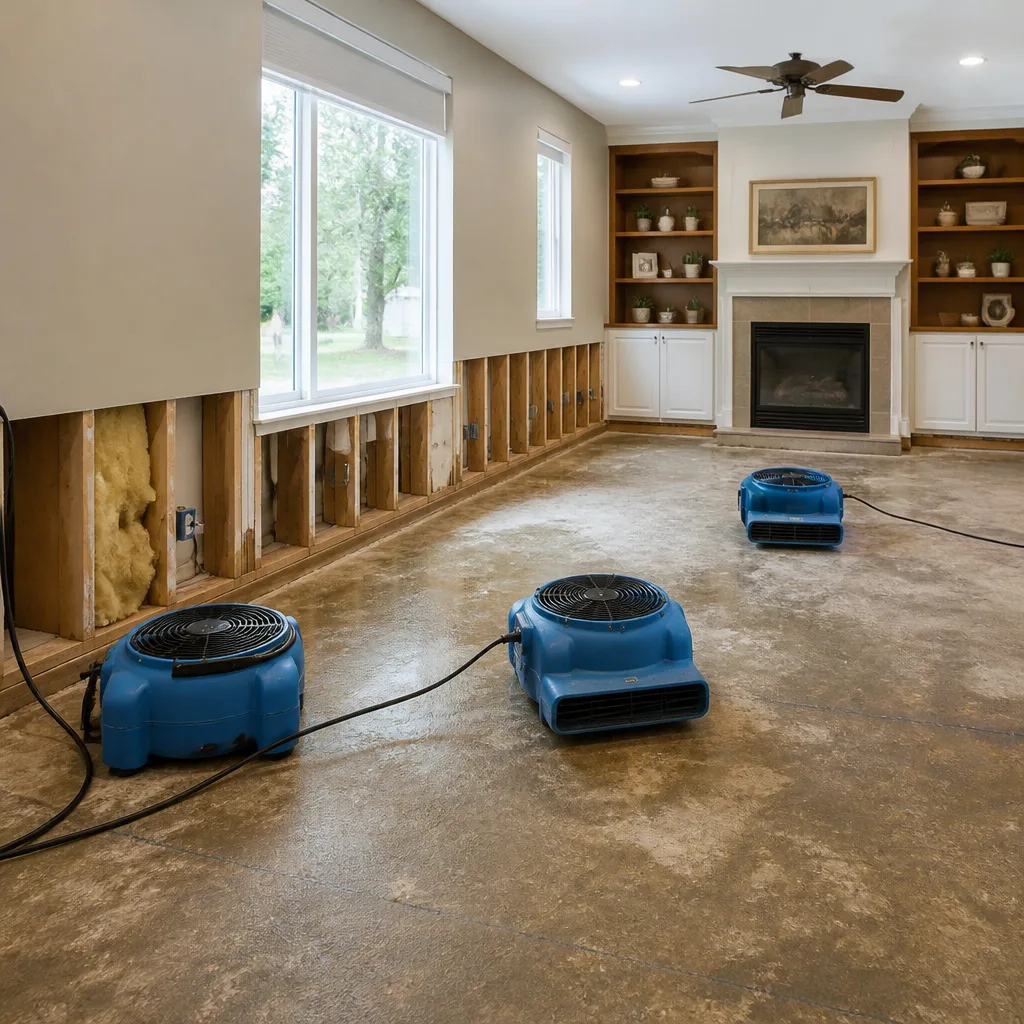 Water damage drying
 Fire & smoke cleanup
 Mold remediation
 Storm response
 Sewage cleanup
 Reconstruction
Free visual inspection and a written scope of work before any mitigation begins - photos, moisture readings, and drying logs go in your claim file
The scope we write is the scope we bill. Anything new gets shown to you, in writing, before we touch it.
Get your free estimateDamage Restoration Warning Signs: A Woodland Hills Homeowner’s Reference Guide
Most homeowners don’t notice water damage when it starts. They notice it weeks later, when the drywall softens or the baseboard pulls away from the wall. By then, a $400 drying job has become a $9,000 mold remediation and rebuild. In Woodland Hills, where summer temperatures push past 100 degrees and winter rains saturate hillside soils, the gap between early warning and full-blown damage closes faster than in most of Los Angeles County. This guide teaches you to read the quiet signals your house sends before the obvious ones arrive, and you can explore more guides & resources once you’ve mastered the basics.
Restoration work we handle
Quick Answer
The earliest warning signs of damage restoration needs in a Woodland Hills home are a musty smell that comes and goes with temperature changes, paint or drywall that feels cool to the touch in specific spots, a sudden unexplained spike in your water bill, musty odors that return after airing out the house, and discoloration around HVAC supply registers. Any one of these, when it persists for more than 48 hours, means moisture is active somewhere it should not be. Calling for an inspection at this stage costs nothing and typically identifies the problem while repair is still measured in hundreds of dollars, not thousands.
Table of Contents
- The Sensory Checklist: What Your Nose, Ears, and Eyes Catch First
- Cosmetic Discoloration vs. Active Moisture: How to Tell Without a Meter
- Warning Signs Specific to Woodland Hills Construction
- HVAC Smoke and Fire Indicators: What Shows Up Weeks After a Neighbor’s Fire
- Monitor It or Call Today: A Decision Framework
- Room-by-Room Warning Sign Walkthrough
- Exterior Examination: Where Water Enters Before You See It Inside
- Common Mistakes to Avoid
- When to Call a Professional
- Frequently Asked Questions
- The Bottom Line
The Sensory Checklist: What Your Nose, Ears, and Eyes Catch First
A musty smell that disappears after you open windows isn’t a ventilation problem. It’s active mold growth somewhere inside the wall or ceiling cavity releasing spores when temperature and humidity shift, and it won’t stop on its own. In Woodland Hills, where nighttime temperatures drop sharply after hot days, this thermal cycling creates the exact conditions that make hidden mold release detectable odors in the morning and evening. What you’re smelling is a colony that has already established itself.
Your nose is often the first and most reliable detection system in the house. Here’s what to pay attention to, organized by the sense that catches it first:
Smell
- Earthy or mushroom-like odor that strengthens near specific walls, closets, or under sinks. This is almost always active mold, not old moisture.
- A “wet newspaper” or cardboard smell in the garage, crawlspace, or attic. Cellulose materials like paper backing on drywall and insulation hold moisture for months and emit this distinct odor.
- Smoke smell that reappears weeks after a fire nearby, especially when the HVAC system runs. Soot particles trapped in ductwork release odor when heated air moves through.
- Sewer or rotten-egg odor near floor drains or under cabinets. This can indicate a dried-out P-trap or a broken sewer line, both of which introduce moisture and gas into the home.
Sound
- Water hammer: a sharp bang when a faucet or appliance shuts off. This indicates pressure fluctuations in supply lines that can eventually cause a joint failure. It’s a warning sign, not a symptom.
- Dripping inside a wall or ceiling when no fixture is running. Even a slow leak inside a wall cavity delivers constant moisture to framing and insulation, and the sound is often the only external clue for weeks.
- Water running through pipes when nothing is on. Stand near the water heater or main line and listen at night when the house is quiet. A toilet flapper that sticks open can waste 200 gallons a day and saturate the subfloor over time.
Sight
- Paint or wallpaper that bubbles, peels, or blisters in a specific area, not along an entire wall. Localized bubbling means moisture is pushing out from behind the surface.
- Baseboards that warp, cup, or pull away from the wall, especially in bathrooms, kitchens, or along exterior walls. Water wicks up from the floor and causes wood to expand and distort.
- Nail pops: small circles or bumps where drywall nails or screws have pushed through the paint. Repeated moisture exposure causes studs to swell and push fasteners outward.
- Discoloration around window frames or door thresholds that appears after rain. This tells you water is entering at the penetration point, not from an interior source.
In our experience in Woodland Hills homes, the musty smell that “only happens sometimes” is the warning sign homeowners wait too long on. If the smell is present at any point during the day, even if it fades after ventilation, the moisture source is active. The colony may be dormant between temperature cycles, but it is not dead.
Cosmetic Discoloration vs. Active Moisture: How to Tell Without a Meter
The difference between an old water stain and a live one comes down to three observable characteristics: temperature, texture, and edge definition. Old stains are uniform in color, feel the same temperature as the surrounding surface, and have crisp or faded edges where the water event stopped. Live moisture presents differently.
The Three-Point Check
- Temperature test (back of the hand). Place the back of your hand against the discolored area, then against a known-dry area on the same wall or ceiling. If the stained area feels cooler, moisture is actively evaporating from it. Evaporation draws heat from the surface, so a live wet spot will always feel cooler than surrounding dry material. This is the single most reliable homeowner test.
- Texture test (light finger pressure). Dry drywall is firm and unyielding. Wet or water-damaged drywall feels spongy, soft, or slightly giving under light pressure. On ceilings, water-damaged drywall may also sag visibly, creating a subtle dip you can detect by sighting across the surface from the doorway.
- Edge definition test (visual). Old stains have a defined boundary. The water event happened, the material dried, and the stain remains as a record. Active moisture creates a soft, diffuse edge that fades into the surrounding surface, often with a darker center and lighter halo. If the stain appears to be growing, changing shape, or developing new rings like tree growth, water is still arriving.
What the Color Tells You
- Light brown or yellow stains with defined edges: typically old, from a past leak that has since stopped. Monitor but don’t panic.
- Dark brown or black stains with soft edges and a cool surface: active water intrusion. The darkness means the material has been wet long enough for tannins and contaminants to concentrate.
- Greenish, grayish, or black speckled stains: mold growth. This is biological, active, and spreading. Don’t touch it, don’t disturb it, and don’t try to clean it with bleach (bleach doesn’t kill mold on porous surfaces; it just whitens it temporarily while the moisture problem continues).
- White, chalky crystals on stained areas: mineral deposits called efflorescence. Water carries dissolved minerals into the material, and when it evaporates, the minerals crystallize on the surface. This tells you water has been cycling through the material repeatedly.
If you identify an active moisture area, the next step is a professional moisture assessment. Water damage restoration in Woodland Hills typically begins with a moisture meter survey that maps the full extent of affected material, because what you see on the surface is almost always smaller than what’s happening inside the wall cavity. The visible stain is the tip of the problem.
Warning Signs Specific to Woodland Hills Construction
Woodland Hills homes present a specific set of damage warning signs tied to the local building materials, topography, and microclimate. Homes here include a mix of mid-century ranch styles, hillside contemporary builds, and larger estates, but three construction features appear consistently across the area and fail in predictable ways.
Stucco Exterior Efflorescence
Stucco is the dominant exterior finish in Woodland Hills, and it’s an excellent moisture management system when its drainage plane works correctly. When it fails, it fails visibly. White chalky deposits blooming on stucco surfaces mean water is moving through the wall assembly and carrying minerals to the surface. Some efflorescence after new construction or repair is normal and will stop as the material cures. Continuous or recurring efflorescence, or deposits that darken over time, indicate water is trapped in the wall cavity, typically behind the stucco’s weather barrier. In the San Fernando Valley’s hot-dry summers, trapped water doesn’t evaporate fast enough to dry the cavity, and the result is slow framing rot and hidden mold. If you see efflorescence on interior-facing stucco walls or around window penetrations, water has moved all the way through the assembly.
Clay Tile Roof Felt Degradation
The signature red clay tile roofs of older Woodland Hills homes are beautiful and durable, but the tiles themselves are not waterproof. They’re a protective cover for the felt underlayment beneath them, and that felt has a service life. In the Valley’s intense sun, the underlayment on a clay tile roof can dry out, crack, and lose adhesion in 15 to 25 years. Warning signs include tile fragments in gutters or on the ground after wind events, visible felt or paper at the roof edge or around penetrations, and ceiling stains in rooms below the roof slope that appear only after rain. By the time interior staining appears, the underlayment has already failed in at least one location. A tile roof inspection in Woodland Hills should happen every five years after age twenty, because interior damage is the last phase of a roof failure, not the first.
Hillside Retaining Wall Weep Hole Blockage
Many Woodland Hills properties sit on sloped lots with retaining walls. These walls are designed to hold back soil and manage groundwater pressure through weep holes: small openings at the base that let water drain through instead of building up behind the wall. When weep holes clog with dirt, debris, or vegetation, hydrostatic pressure builds behind the wall. Warning signs include stained or weeping wall faces, bulging or leaning retaining walls, and water pooling at the base of the wall after rain. This is not a cosmetic issue. A retaining wall that holds water instead of releasing it can eventually fail structurally, and the resulting mudslide or wall collapse brings thousands of pounds of soil and water against the house. In hillside Woodland Hills neighborhoods, this is the single most expensive damage category a homeowner can face, and the warning signs are visible for months or years before failure.
HVAC Smoke and Fire Indicators: What Shows Up Weeks After a Neighbor’s Fire
In Woodland Hills, fire season is a fact of life. Even when a fire doesn’t touch your property directly, smoke and soot travel for miles. The Santa Ana winds that drive fire season also drive particulates into every gap, vent, and air intake in your home. What many homeowners don’t realize is that smoke damage can establish itself in your HVAC system without a single visible soot mark on your walls.
The Warning Signs Your HVAC System Shows
- Smoke odor that returns when the system runs. If you smell smoke when the heater or AC kicks on, but not when the system is off, soot particles are trapped in the ductwork, filter housing, or evaporator coil. The moving air doesn’t remove them; it releases them into your living space.
- Rapidly darkened air filters. If your return air filter goes from white to black or gray within weeks, particularly after a nearby fire, the system is pulling soot and ash through the return ducts. This particulate load wears out the blower motor and circulates contaminants through every room.
- Discoloration around supply registers. Soot deposits will often show as a faint gray or black shadow on the wall or ceiling directly around supply vents, where air movement deposits the particles in a recognizable pattern.
- Increased dust accumulation on surfaces. Soot is heavier and oilier than household dust. If your furniture, ceiling fan blades, or blinds are gathering a fine black film that doesn’t wipe away easily, the HVAC system is distributing soot particles.
Smoke residue is acidic. Left in the system or on surfaces, it continues to etch and degrade materials long after the fire is out. It also embeds in porous materials, including drywall, carpet, and upholstery. Professional fire damage restoration in Woodland Hills addresses both the visible and the airborne contamination, using professional-grade equipment from manufacturers like Dri-Eaz and Phoenix to scrub air particles and clean the surfaces.
Monitor It or Call Today: A Decision Framework
Not every warning sign requires immediate action. Some are worth tracking over days or weeks. Others are time-sensitive, meaning the cost of inaction compounds daily. Here’s the framework we use when homeowners ask us to help them decide.
Monitor These (Low Urgency, But Track)
- Old water stains with defined edges that are warm to the touch and haven’t changed in size. Record the dimensions and recheck monthly.
- Infrequent minor window condensation during rare temperature inversions. Clean it up and watch for recurrence.
- Light efflorescence on new stucco within the first year of construction or repair. This typically resolves as the material cures.
- Tile fragments in gutters after a known wind event, with no interior signs. Schedule a roof inspection before the next rain season.
Call Today (Escalating Daily)
- Any active leak, regardless of how slow. Water migration through framing and subflooring continues as long as the source is live, and the repair cost increases every day it’s ignored.
- Musty odor that returns after airing out the house. This is active mold growth. The colony grows exponentially in warm conditions, and Woodland Hills summers provide ideal temperatures for expansion.
- Discoloration around supply registers or smoke odor from the HVAC. Soot is acidic and will permanently etch surfaces if left in place for weeks.
- Water pooling at the base of a retaining wall or visible wall bulging. This is a structural failure in progress. It will not stabilize on its own.
- Paint bubbling, baseboard warping, or nail pops appearing in clusters. These indicate moisture behind the wall that’s actively pushing materials out of position.
The rule of thumb: every damage category escalates on a curve, and the curve steepens sharply after the first 48 to 72 hours. Within the first three days, most water damage can be dried in place with professional extraction and drying equipment. After two weeks, many materials have reached the point of no return and must be removed and replaced. In the heat of a Woodland Hills summer, that timeline compresses even further.
Room-by-Room Warning Sign Walkthrough
Different rooms fail in different ways because they’re exposed to different moisture sources and built with different materials. Here’s where to look in each area of the house, and what you’re looking for.
Kitchens
- Under the sink: Check for water stains on the cabinet floor, soft cabinet bottom, or mold at the back wall. Dishwasher supply lines and garbage disposal connections are common leak sources, and they drip slowly for months before failing completely.
- Around the dishwasher: Cupped or warped flooring in front of the dishwasher means the unit’s water line or door seal has been leaking. By the time the floor shows damage, the subfloor is usually saturated.
- Behind the refrigerator: The icemaker supply line is a leading cause of kitchen floods. Check for moisture on the wall behind the fridge and for any sign of water on the floor beneath it.
Bathrooms
- Around the tub or shower: Missing, cracked, or soft grout lines and caulk that has pulled away from the surface allow water to reach the wall cavity every time the shower runs. This is not a cosmetic issue. The wall framing behind a leaking shower enclosure rots consistently because it’s wet daily.
- At the toilet base: A wax ring that has partially failed allows water to seep into the subfloor with every flush. Check for dark staining around the base, soft flooring, or any movement when you rock gently against the bowl.
- Bathroom ceiling below a second-floor bath: Any discoloration or sagging in the ceiling below a bathroom is a sign that the floor assembly above is saturated. This typically means the shower pan or drain has failed and water has been traveling through the floor system.
Attic
- Dark staining on the underside of roof sheathing indicates condensation or an active roof leak. In Woodland Hills, where day and night temperature swings are dramatic, inadequate attic ventilation creates the condensation problem we see most often.
- Rust on exposed nail heads in the attic means the space has persistent elevated humidity. This can point to a bathroom or dryer venting into the attic instead of to the exterior.
- Insulation that’s compressed, discolored, or damp loses its R-value and holds moisture against framing. Wet insulation must be removed and replaced. Drying it in place doesn’t work because it never regains its original performance.
Crawlspace
- Standing water or mud in the crawlspace after rain means surface water is draining toward the foundation instead of away from it. This isn’t just a crawlspace problem; it’s the start of foundation and structural issues.
- Condensation on the underside of the subfloor insulation means the space has high relative humidity and inadequate ventilation. Woodland Hills homes without a vapor barrier on the crawlspace floor will see this in the summer.
- Mold on floor joists or the underside of the subfloor requires professional attention. Mold in the crawlspace affects indoor air quality throughout the house because air from the crawlspace is drawn into the living space through the stack effect.
Exterior
- Soil pulled away from the foundation indicates shrinking clay soils that will expand again when wet. This cycle of expansion and contraction cracks foundations over time.
- Downspouts that discharge against the foundation or splash blocks that are missing. Water concentrating at the foundation line is the single most common cause of crawlspace and basement water entry in Woodland Hills.
- Dark, soft, or crumbling stucco at the base of exterior walls means water has been wicking up from the ground for an extended period. This is called rising damp, and it doesn’t resolve without intervention.
Exterior Examination: Where Water Enters Before You See It Inside
Most water damage starts outside and works its way in. The exterior of your Woodland Hills home is the first line of defense, and the warning signs out there appear weeks or months before interior damage becomes visible. Here’s what to examine on a regular schedule, ideally at the start of the rainy season and again in the spring.
Roof and Rain Management System
- Gutters and downspouts: Clogged gutters overflow and pour water down the fascia, behind the siding, and against the foundation. Gutters packed with debris are also the starting point for roof fascia rot because the trapped material holds moisture against wood continuously.
- Roof penetrations: Pipe boots, vent flashing, chimney flashing, and skylights are the most common roof leak points. Check for cracked, lifted, or corroded flashing around every penetration, and look for dark staining on the roofing felt visible from the attic side.
- Roof-to-wall transitions: Where the roof meets a vertical wall, step flashing directs water away. When that flashing fails or was poorly installed, water runs directly down the wall cavity and into the house. This failure type produces stains that appear on interior ceilings near exterior walls, often far from the actual leak point.
Foundation and Grade
- Grading slope: The soil around your foundation should slope away from the house at a minimum of six inches of drop over ten feet. Flat or negative grading directs surface runoff toward the foundation, and in a hillside Woodland Hills lot, the problem compounds when higher ground drains toward your walls.
- Foundation cracks: Hairline cracks are usually harmless. Cracks wider than an eighth of an inch, or cracks that are wider at the top than the bottom, indicate active movement. Water enters any crack regardless of width. Watch for dark staining around cracks, which tells you water has been flowing through them.
- Planter beds against the house: Soil and mulch piled against exterior walls holds moisture against the siding or stucco continuously. The fix is to keep soil at least four inches below the top of the foundation and clear of all siding and stucco.
Woodland Hills-Specific Exterior Risk
The hillside lots that define much of Woodland Hills create drainage patterns that don’t exist on flat Valley floors. Water from a neighbor’s upslope property can drain onto your lot, concentrate along the foundation, and enter the crawlspace without ever pooling visibly. If you have a hillside property, inspect the upslope boundary after every significant rain, and check for evidence of concentrated water flow: small erosion channels, displaced mulch, or debris lines that show where water ran. These are the early indicators of a drainage problem that will eventually find its way into your house. Mold remediation in Woodland Hills handles the interior consequences of these drainage issues, but the exterior corrections must happen first or the problem returns.
Common Mistakes to Avoid
- Ignoring a musty smell because it “comes and goes.” Odor that fluctuates with temperature and humidity is still coming from an active moisture source. The mold colony releases spores in cycles, but it never stops growing while the moisture remains.
- Using bleach on visible mold. Bleach kills surface mold on non-porous surfaces only. On drywall, wood, or other porous materials, it fails to penetrate to the roots of the colony, and the water content in bleach actually feeds the mold in the material beneath the surface.
- Painting over water stains without addressing the source. Stain-blocking primer will hide the discoloration, but the moisture and mold behind the paint continue to spread. Within six months, the stain returns, usually larger, and now with additional material degradation to repair.
- Assuming a small leak is a small problem. Leaks inside wall cavities and under floors are invisible, and water travels through building materials far beyond the visible stain. A pinhole leak in a supply line can saturate a wall cavity and the surrounding framing for weeks before anything shows on the surface.
- Waiting for visible damage before calling for an inspection. The earliest warning signs in this guide appear weeks before visible damage. Acting on smell, sound, and temperature cues during that window turns a potential full remediation into a simple dry-in-place job.
- Running a dehumidifier and calling it solved. A homeowner-grade dehumidifier can reduce interior humidity, but it cannot dry saturated materials inside a wall cavity or subfloor. The moisture source must be stopped and the affected materials professionally dried or removed.
- Dismissing HVAC smoke odor because “the fire wasn’t that close.” Smoke particles from a wildfire travel for miles and are small enough to enter the home through any gap. Once in the ductwork, they remain until the system is professionally cleaned and the affected surfaces are treated.
When to Call a Professional
Call when the warning sign persists for more than 48 hours, when you can’t identify the source of the moisture, or when you see active mold growth on any porous surface. Call when the HVAC system produces smoke odor that returns with each cycle, and call when a retaining wall shows any sign of bulging, leaning, or water staining. These are not DIY situations. Keegan Restoration Woodland Hills offers free estimates in Woodland Hills, and a professional assessment that identifies the full extent of the problem is the only way to know whether you’re dealing with a $400 drying job or a $12,000 remediation. The assessment costs nothing and the information is worth everything. Call (559) 258-5719 for a free inspection and written scope before any work begins.
Frequently Asked Questions
An active water stain feels cool to the back of your hand compared to surrounding dry surfaces, feels soft or spongy under light finger pressure, and has a diffuse, fade-in edge. An old stain is the same temperature as surrounding material, feels firm, and has a defined boundary. If the stain is growing, changing color, or developing new rings, water is still arriving, and you should schedule an inspection.
Morning mustiness in a Woodland Hills home typically comes from mold growth inside a wall or ceiling cavity that releases spores when nighttime cooling causes a pressure and humidity shift. As the day warms and the house ventilates, the odor dissipates, but the colony remains active. This pattern is one of the earliest and most reliable warning signs of hidden water damage.
Yes. Wildfire smoke carries soot and ash particles that are small enough to enter your home through vents, gaps, and air intakes, even when the fire is miles away. Those particles collect in ductwork, the filter housing, and the evaporator coil, and they release odor back into the house every time the system runs. Professional HVAC cleaning and surface treatment is the only way to remove embedded soot from the system.
Water damage inside a wall cavity can go unnoticed for weeks or months, depending on the leak rate and the construction materials. Slow leaks at pipe joints or supply lines often produce no visible surface indication until the material is fully saturated and the paint, drywall, or baseboard begins to distort. In Woodland Hills’ summer heat, the drying rate is faster than in cooler climates, but so is the mold growth rate, so hidden damage in summer often transitions to visible damage and mold within three to four weeks.
Efflorescence is a white, chalky mineral deposit left behind when water moves through masonry or stucco and evaporates on the surface. It means water is traveling through the wall assembly. On new construction, some efflorescence is normal and stops as the material cures. Continuous, recurring, or darkening efflorescence, especially around windows or door penetrations, means water is trapped in the wall and the moisture source must be found and corrected.
It depends entirely on three factors: how much water, for how long, and whether the water was clean or contaminated. Drywall that got lightly wet for a short period and dried quickly with proper air movement and dehumidification can sometimes be saved. Drywall that was saturated for more than 24 to 48 hours loses structural integrity and becomes a food source for mold, and it must be removed and replaced. The type of water matters too: clean water from a supply line is recoverable, while water from a sewer backup or exterior flooding containing soil and contaminants requires all affected materials to be removed. Keegan Restoration Woodland Hills documents every job to support your insurance claim, with photo records and moisture readings that show exactly what was affected and what was done. For an exact answer about your specific situation, call (559) 258-5719.
The Bottom Line
Your house talks to you before it fails. The musty smell that comes and goes. The cool spot on a ceiling that hasn’t changed color yet. The water bill that’s higher than it was last summer. The baseboard that’s starting to pull away from the wall. None of these are normal, and none of them resolve on their own. In Woodland Hills, where summer heat accelerates mold growth and winter rains push water against hillside foundations, the window between early warning and expensive repair is measured in weeks, not months. The single most valuable action you can take is to act on the early signals while the repair is still an inspection, not an emergency. The Keegan Restoration Woodland Hills home team answers the phone 24 hours a day, and a written estimate costs nothing.
Written by Shane Pruitt, Owner at Keegan Restoration Woodland Hills, serving Woodland Hills since 2005.
See the difference
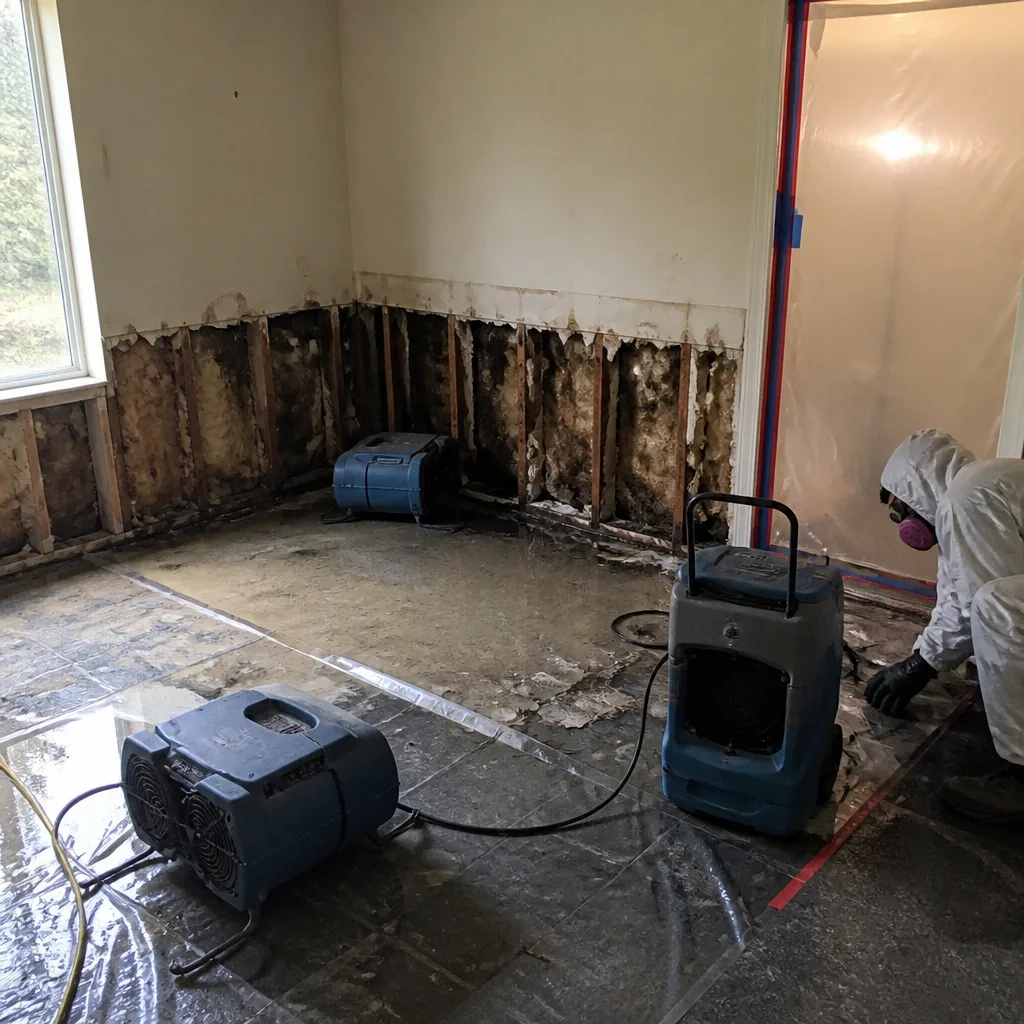 Before
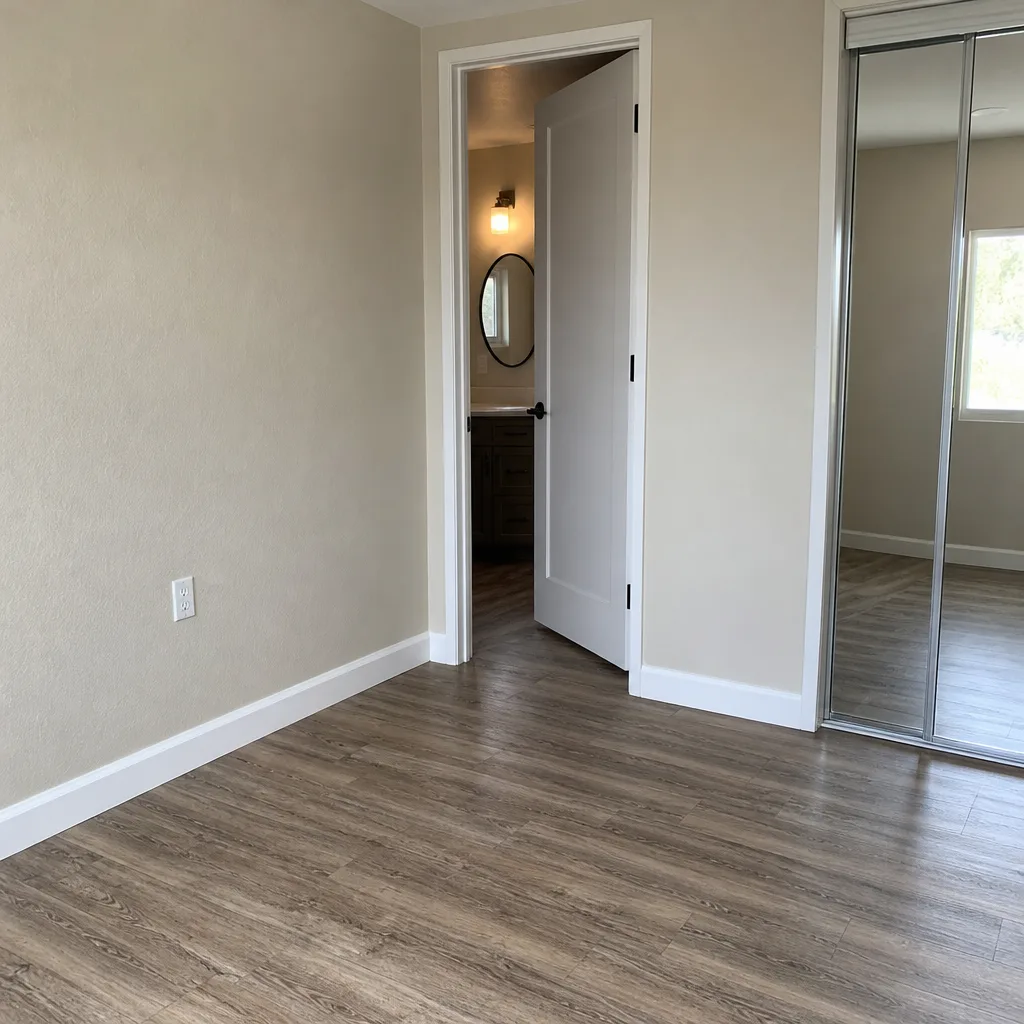 After
After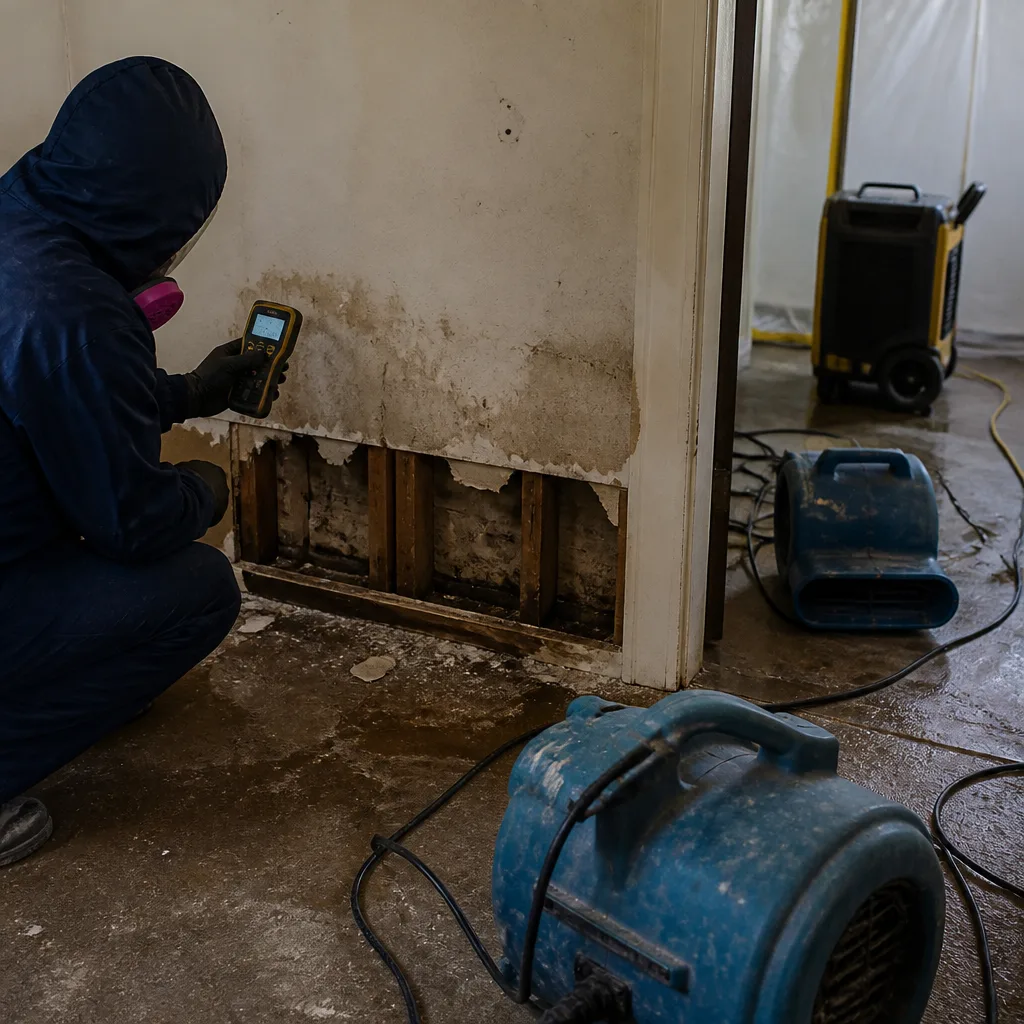 Before
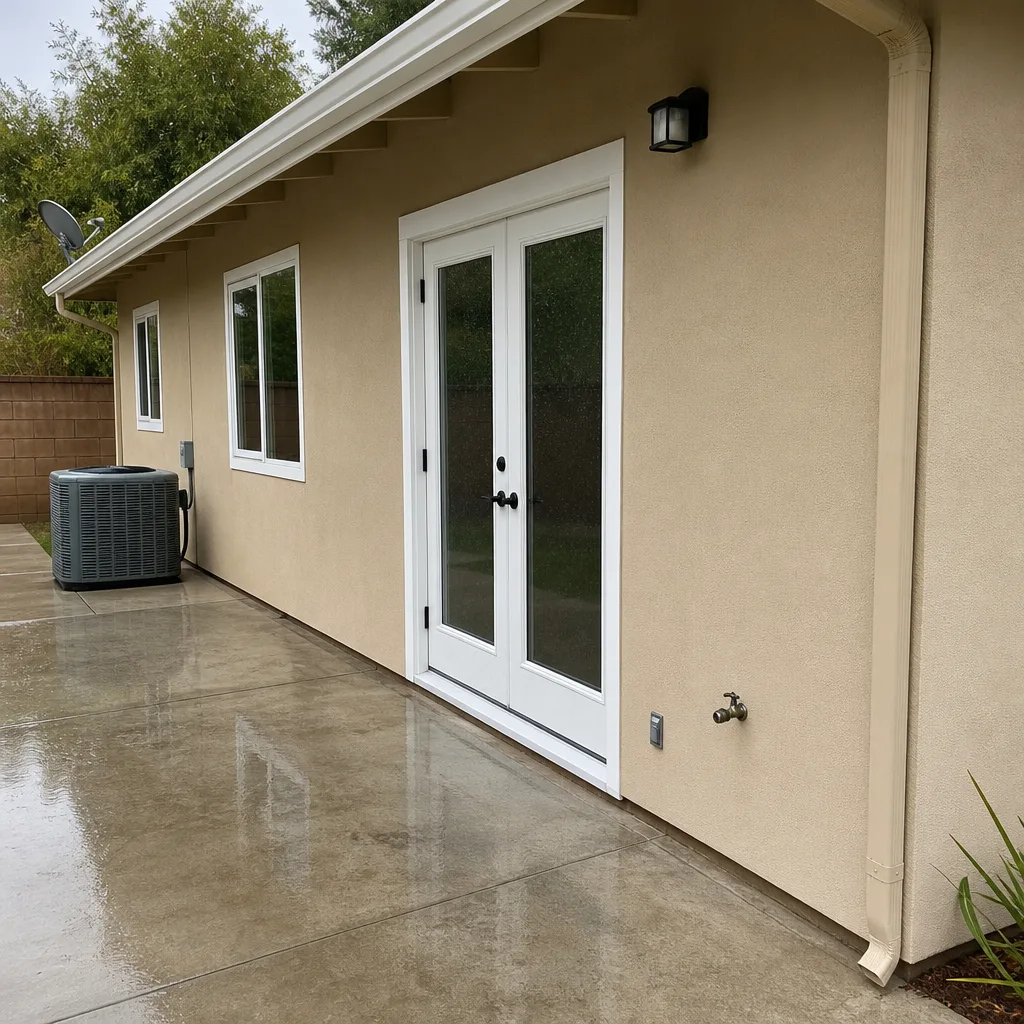 After
After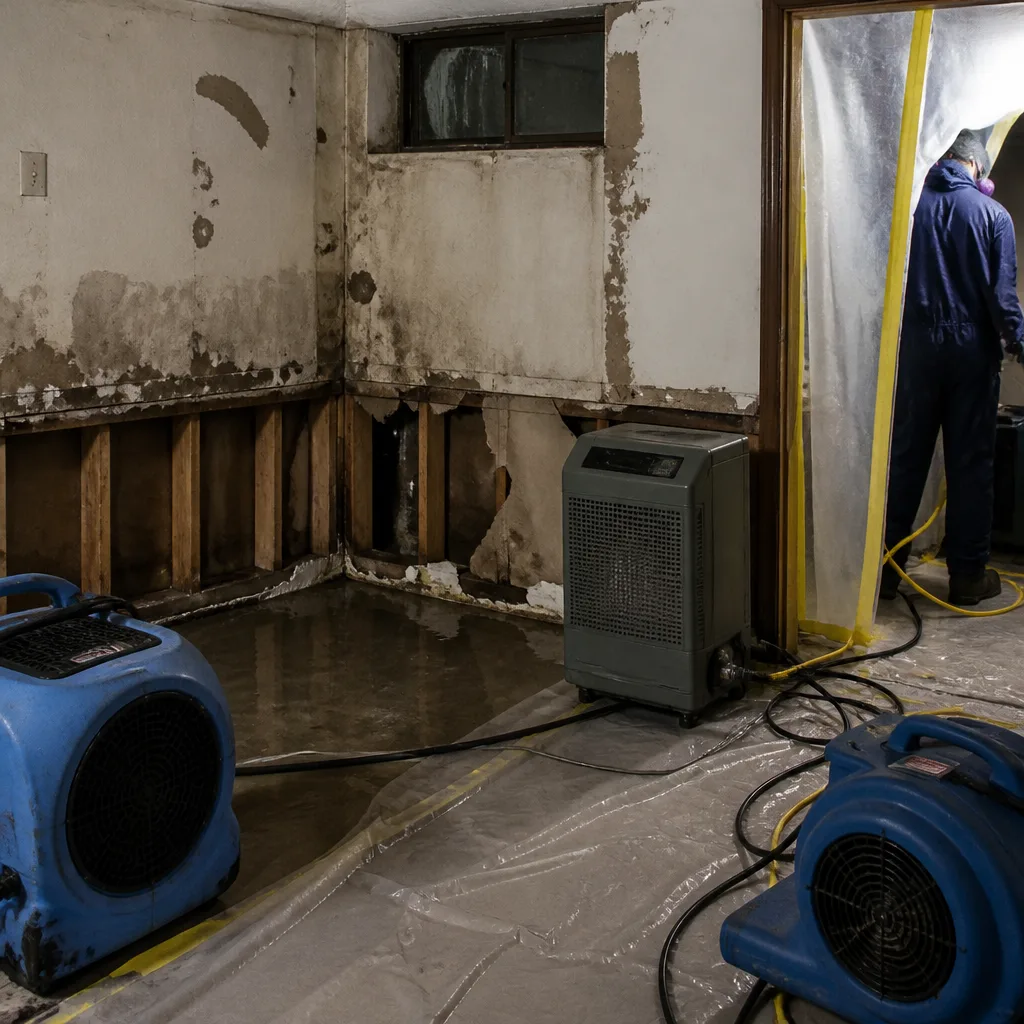 Before
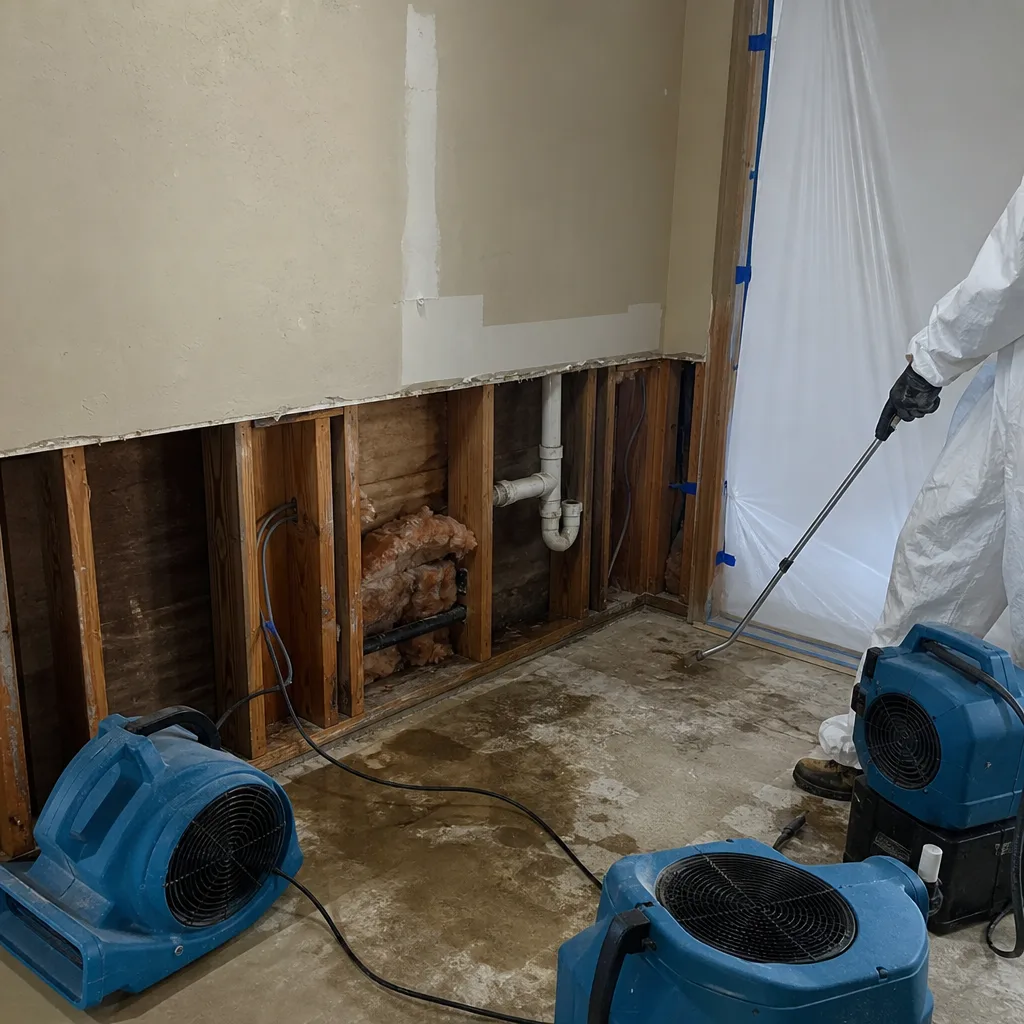 After
After