
Last updated October 16, 2026
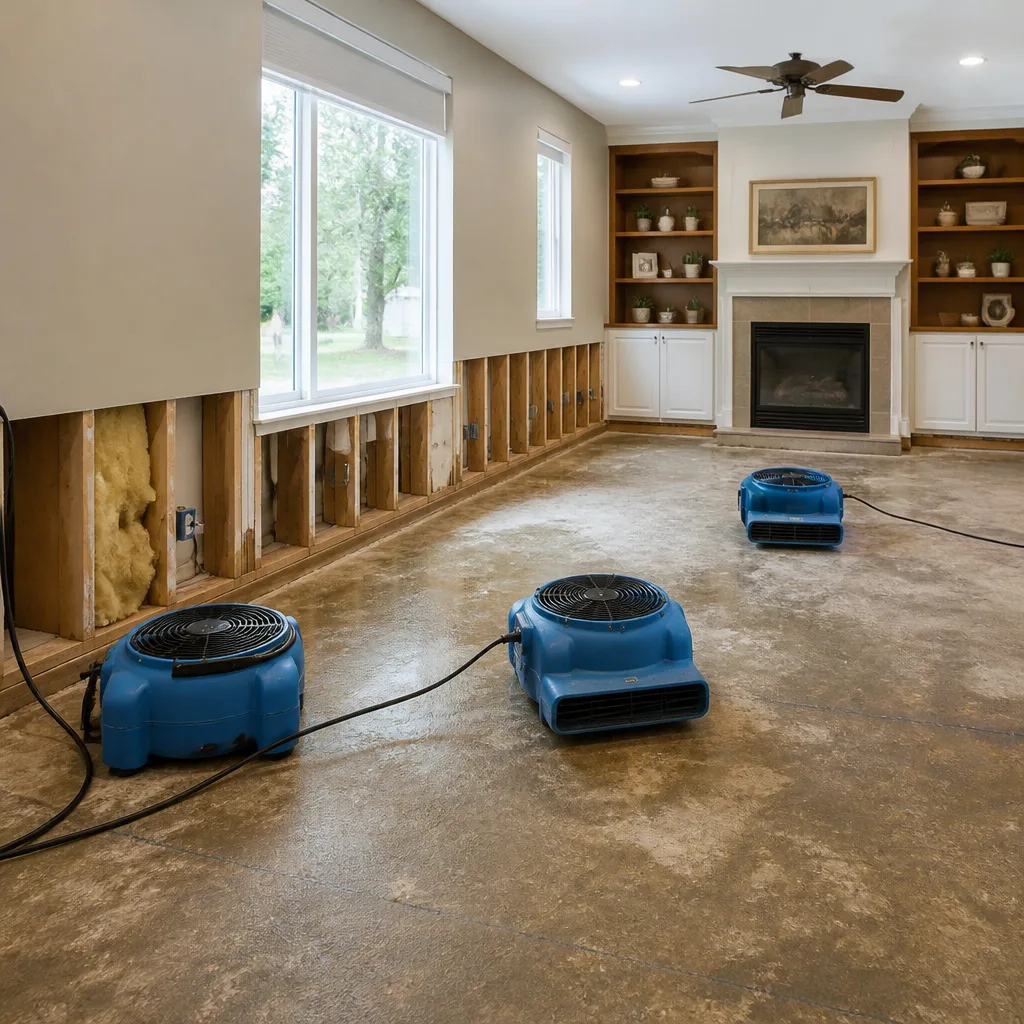 Water damage drying
 Fire & smoke cleanup
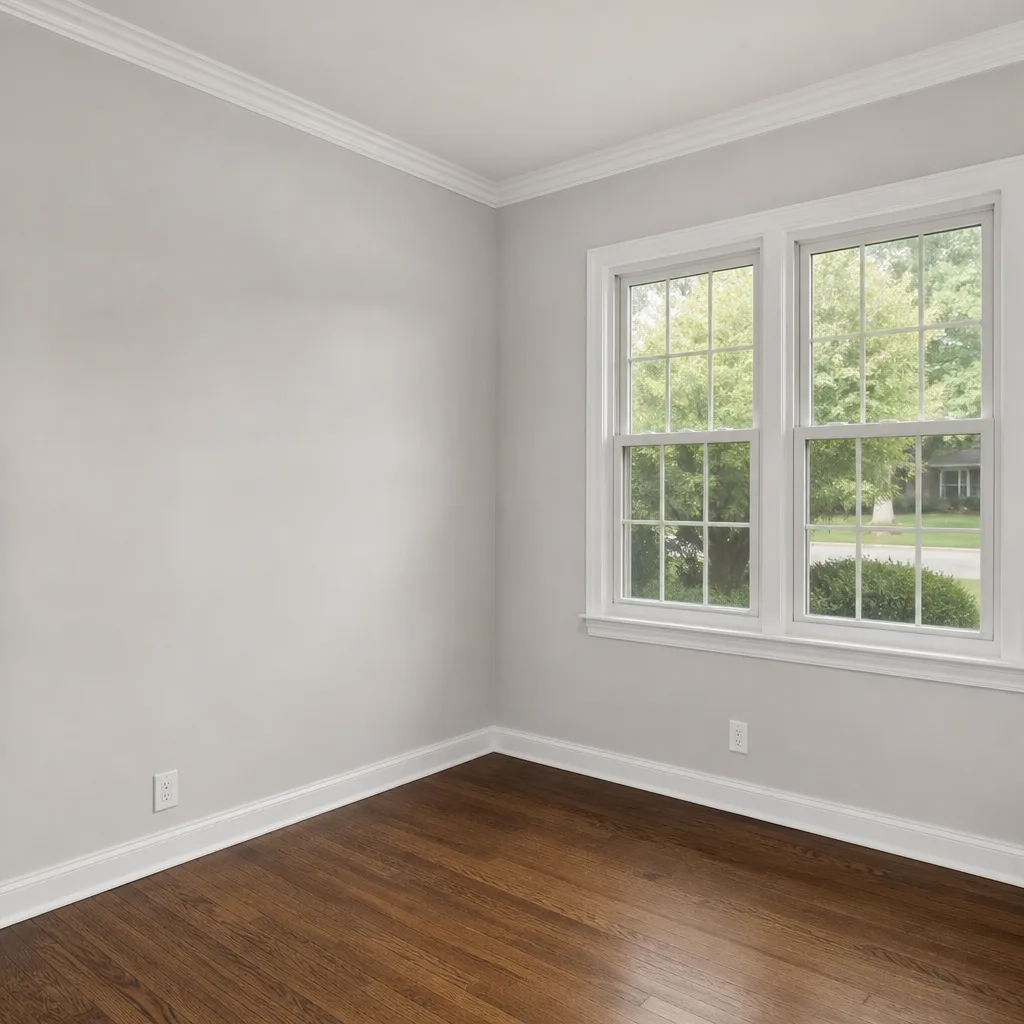 Mold remediation
 Storm response
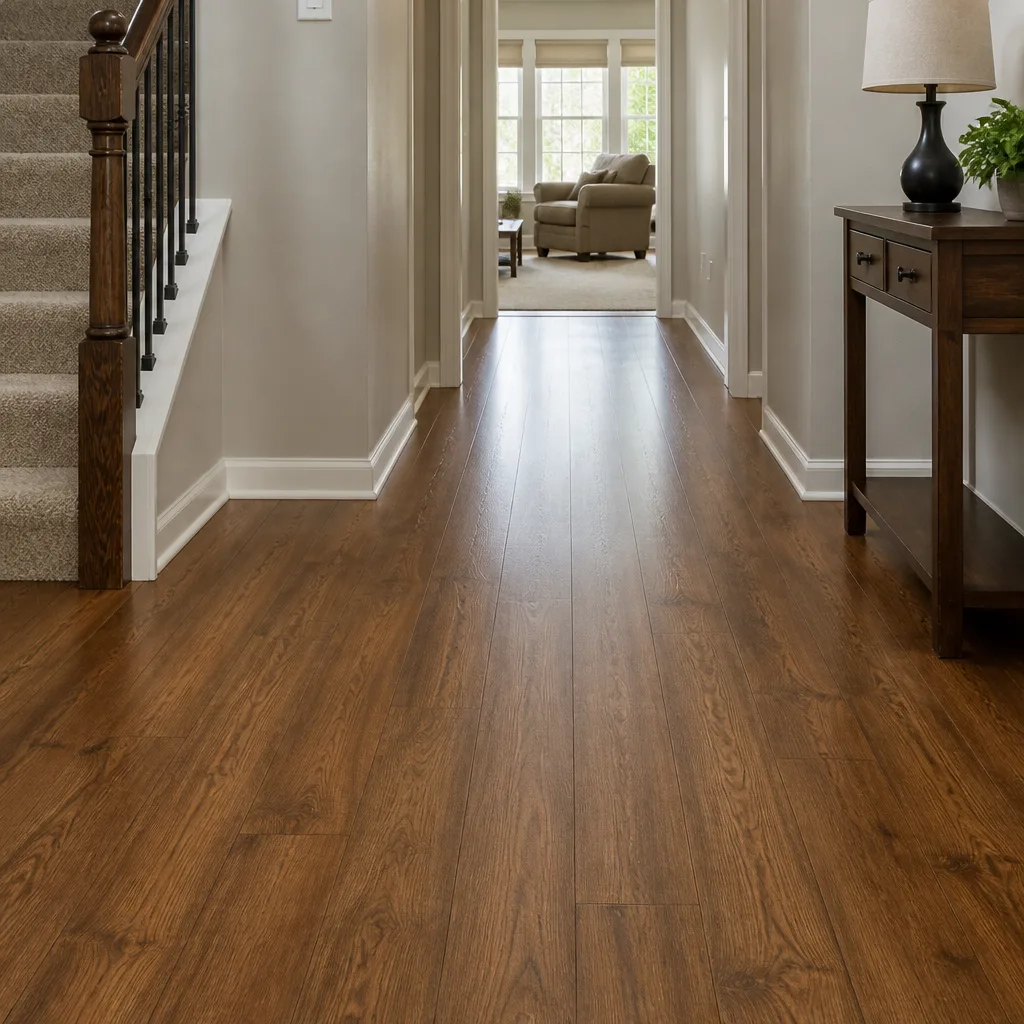 Sewage cleanup
 Reconstruction
Free visual inspection and a written scope of work before any mitigation begins - photos, moisture readings, and drying logs go in your claim file
The scope we write is the scope we bill. Anything new gets shown to you, in writing, before we touch it.
Get your free estimateSeasonal Damage Restoration Care for Woodland Hills: Year-Round Homeowner’s Guide
Most homeowners in Woodland Hills discover water damage the wrong way: by smell, not by sight. A musty whiff near a baseboard gets dismissed as “the house settling” until a swollen door frame or a soft spot in the drywall forces the issue. By that point, what might have been a $400 extraction has become a $7,000 remediation job with drywall demolition and mold behind the studs. This guide walks through how Woodland Hills’ specific climate, seasons, and building stock create predictable damage patterns, and how a homeowner who understands those patterns catches problems while they’re still cheap to fix. For a deeper dive, see our Complete Guide to Damage Restoration in Woodland Hills.
Restoration work we handle
Quick Answer
Seasonal damage restoration care in Woodland Hills means adjusting your home maintenance by what the local climate actually does: hot, dry summers with Santa Ana wind events that stress structure and fire risk; a brief but intense wet season from November through March that tests drainage, flashing, and roofs; and year-round temperature swings in the Santa Monica Mountains foothills that push humidity into crawlspaces and attics. The practical upshot: inspect drainage before rain season, inspect ventilation before summer heat, and never ignore a water stain, because a stain means water has already breached the building envelope.
Table of Contents
- The Woodland Hills Rain Season: What Actually Fails
- Summer Heat and Santa Ana Winds: The Damage Nobody Plans For
- Spring Transition: Mold’s Favorite Season in Woodland Hills
- Fall Preparation: The 90-Day Window That Prevents Most Damage
- Crawlspaces and Attics: Year-Round Damage Incubators
- Seasonal Damage and Your Insurance Claim
- What Proper Restoration Equipment Actually Looks Like
- Common Mistakes to Avoid
- When to Call a Professional
- Frequently Asked Questions
The Woodland Hills Rain Season: What Actually Fails
Woodland Hills gets nearly all of its annual rainfall between November and March, usually in a handful of intense systems that drop more water in 48 hours than the ground can absorb. Average annual rainfall runs about 18 inches, but the pattern matters more than the total: long dry spells followed by heavy, concentrated downpours. That cycle is brutal on two things: soil around foundations and aging flat or low-slope roofs common in mid-century Woodland Hills homes south of Ventura Boulevard.
Here is what we see most often during the rain season, ranked by frequency:
- Gutter and downspout overflows. When gutters clog with eucalyptus leaves (ubiquitous in Woodland Hills), water cascades down the fascia and saturates the wall cavity. The fix is boring but effective: clean gutters in October and again in January.
- Negative grading against foundation walls. Soil settles over decades. By rain season, water runs toward the house instead of away. The telltale sign: damp spots or efflorescence (white chalky residue) on the interior slab edge.
- French drain and sump pit failures. Many Woodland Hills homes built in the 1950s and 1960s have aging drain systems. A sump pump that has not run since March may not run when the first big storm hits in December.
- Window and door flashing leaks. Stucco homes with recessed windows are classic leak points. Water enters at the header, travels down the interior of the wall, and shows up as paint bubbling near the baseboard weeks later.
- Roof tile displacement from wind gusts. Woodland Hills sits near the western edge of the San Fernando Valley, where storm fronts funnel through canyons. Lifted tiles create entry points for wind-driven rain.
What a homeowner can do in one weekend: walk the exterior during daylight after the first rain, photograph every downspout outlet, check that water is discharging at least three feet from the foundation, and look at interior ceilings for any discoloration smaller than a quarter. That stain is the earliest warning signal available, and early intervention is the entire difference between mitigation and reconstruction.
Our Water Damage Restoration in Woodland Hills page covers the full extraction and drying process if you already have an active leak, but the seasonal point is this: the first rain of the year is not a test of your drainage. It is the test your drainage has been waiting for since April, and it is the least expensive moment to respond.
Summer Heat and Santa Ana Winds: The Damage Nobody Plans For
Summer in Woodland Hills routinely pushes past 100°F, and the combination of extreme heat and single-digit humidity causes a different category of problems: building material stress, smoke intrusion from regional wildfires, and HVAC condensation overflow. Restorers in this market plan for the “fire season” the way our counterparts in Florida plan for hurricanes.
Here is what actually happens to houses when the thermometer sits at 105°F for a week straight:
- Condensate drain lines clog and overflow. Air conditioners work hardest during heat waves. The condensate line, if it has not been flushed, backs up and spills water into the mechanical closet or attic. In Woodland Hills, where many AC units sit in hot attics, this is the single most common summer water damage call.
- Cast iron and galvanized drain pipe joints shift. Extreme heat causes differential expansion between soil and foundation, which stresses old drain lines. A sewer line crack leads to slow water intrusion under the slab, which is why summer is prime time for sudden musty smells with no visible water source.
- Smoke and soot infiltration during wildfire events. Even a fire five miles away in the Santa Monica Mountains pushes microscopic soot through open windows, soffit vents, and HVAC returns. That soot embeds in carpet, drywall, and upholstery. It is not just an odor problem; it is a residue problem that requires specialized cleaning or, in severe cases, content restoration.
- Window seal failures under thermal stress. Dual-pane windows baked by direct sun can lose their seal. When the seal fails, condensation appears between the panes, and wet insulation can follow in wall cavities.
The most overlooked summer issue in Woodland Hills is attic ventilation failure. When attic temperatures hit 140°F or higher, the radiant heat pushes into living spaces. But the hidden damage is moisture: as attic air heats and cools each day, condensation forms on the underside of the roof deck. Over a full summer, that repeated condensation cycle can warp decking and create conditions mold loves. If your attic access panel is hot to the touch in August, the ventilation is not doing its job.
We mention this specific pattern because in our experience, Woodland Hills homeowners assume that a dry climate means no moisture. The reality is that temperature-driven condensation is as damaging as rain leaks in this part of the San Fernando Valley, and it is invisible until it is expensive.
Spring Transition: Mold’s Favorite Season in Woodland Hills
Spring is when mold problems surface in Woodland Hills. The reason is counterintuitive: mold does not start when the house gets wet. It starts when the house gets wet and stays wet through a warming trend. March through May delivers exactly those conditions: rain-soaked soil from winter, rising air temperatures, and intermittent marine-layer humidity pushing through the hills from the coast.
Here is how the sequence typically plays out:
- Winter rain seeps into a wall cavity, crawlspace, or subfloor and is never fully dried.
- Spring temperatures raise interior humidity levels.
- The combination of moisture, warmth, and dark space supports mold growth within 24 to 72 hours.
- The homeowner notices a musty smell when the house is closed up, or a family member starts sneezing indoors.
The wood-framed construction common in Woodland Hills is particularly susceptible because wood is a food source for mold when it holds moisture above 16% by weight. A moisture meter reading above 20% in drywall or framing is the threshold where remediation becomes necessary. We explain the full process on our Mold Remediation in Woodland Hills page, but the seasonal insight is this: if you smell something in April or May, do not wait until June to investigate. The temperature curve works against you.
Prevention steps that actually work in this climate:
- Run dehumidifiers in enclosed spaces during March and April. Keeping relative humidity below 50% in a crawlspace or basement starves mold of the moisture it needs.
- Inspect exterior foundation vents. Many older Woodland Hills homes have crawlspace vents that were painted shut or blocked by landscaping over the years. Airflow is the cheapest mold prevention tool available.
- Check plumbing under sinks after winter. Freeze-thaw cycles in the hills can cause hairline cracks in supply lines that only leak under pressure. A slow, weeks-long leak under a kitchen cabinet is the classic “spring mold discovery.”
Spring is also the right time to schedule a professional moisture assessment if you saw any water intrusion during winter. A documented inspection that finds no elevated moisture is the strongest evidence you can have if a future insurance claim requires proof that the damage is new, not pre-existing.
Fall Preparation: The 90-Day Window That Prevents Most Damage
September through November in Woodland Hills is the professional’s favorite window to prevent seasonal damage, because the soil is driest, the air is warm, and everything is accessible without rain or extreme heat complicating the work. It is also the window when restoration companies have the most scheduling flexibility.
Here is a Water Damage Restoration Maintenance Checklist for Woodland Hills Homeowners that takes one weekend to complete and prevents the majority of winter water damage claims:
- Clean and test gutters, downspouts, and drainage swales. This is mechanical work, not cosmetic. Run a hose down every downspout and watch where the water goes. If it pools within three feet of the foundation, regrade or extend the outlet.
- Inspect the roof for loose, cracked, or shifted tiles. Pay special attention to valleys, ridge caps, and any penetration (vents, skylights, chimneys). A $300 tile repair in October beats a $3,000 ceiling repair in January.
- Flush and test sump pumps and French drains. Pour water into the pit and verify the float switch activates the pump. A pump that hums but does not move water needs service before the first storm.
- Seal exterior gaps around windows, doors, and utility penetrations. Use paintable exterior-grade caulk. In Woodland Hills, the primary concern is not just rain entry but also ember entry during wildfire conditions.
- Trim vegetation away from the structure. Eucalyptus, oak, and bougainvillea branches rubbing against stucco or roofing should be cut back at least 18 inches from the building envelope.
- Test interior plumbing shutoff valves. Turn every angle stop under sinks and toilets off and on twice. If they do not turn, they need replacement before an emergency requires them.
We have walked into too many Woodland Hills homes in December where a $25 gutter guard or a $4 caulk tube would have prevented the entire loss. The seasonal point is simple: fall is when you make the house’s outer layer correct, because winter tests everything at once.
And if you own a home in the hills north of Ventura Boulevard, add a seventh item: check your hillside drainage. Gravity-fed drains on slopes clog over the summer, and a clogged hillside drain means the next heavy rain sends water against your downhill foundation wall instead of around it.
Crawlspaces and Attics: Year-Round Damage Incubators
Most seasonal damage in Woodland Hills begins in the two spaces homeowners visit least: the crawlspace and the attic. They share a common dynamic: neither is conditioned space, so both suffer temperature and humidity extremes that produce condensation, and neither gets looked at until damage has already spread to visible living areas.
In the crawlspace, the main year-round risk in Woodland Hills is moisture from three sources: soil evaporation, plumbing leaks, and foundation seepage. The problem compounds because moist crawlspace air rises into the living space through floor penetrations, carrying mold spores and musty odors. A crawlspace with standing water after rain is a red flag that the drainage correction was not done; a crawlspace with consistent dampness in summer points to a plumbing leak or a broken vapor barrier.
What to look for in the crawlspace, twice a year:
- Standing water or damp soil that persists more than 48 hours after rain
- Efflorescence on foundation walls (white powder that indicates water moving through concrete)
- Sagging or missing vapor barrier (the black polyethylene sheet on the ground)
- Rust on metal ductwork or support posts (a sign of chronically high humidity)
- Mold staining on floor joists or subfloor sheathing
In the attic, the year-round risk is condensation. During winter rain season, warm indoor air migrates through ceiling penetrations (recessed lights, attic hatches, bathroom exhaust fans) and condenses on the cold underside of the roof deck. In summer, the reverse happens: superheated attic air meets cooler ceiling surfaces and creates moisture. The fix is ventilation, and the standard is simple: one square foot of net free vent area for every 150 square feet of attic floor space, split between intake (soffit) and exhaust (ridge or gable).
If you open your attic in July and can feel a blast of oven-like heat, or you see water staining on the roof deck that extends beyond the chimney and pipe penetrations, the ventilation and air-sealing are inadequate. This is a correction that pays for itself in one season, both in lower cooling costs and in avoiding a roof deck replacement that can run $10,000 to $20,000 on a Woodland Hills home.
Seasonal Damage and Your Insurance Claim
Seasonal damage claims in Woodland Hills succeed or fail on documentation. Insurance companies do not dispute that a pipe burst or a tree limb punctured a roof. What they dispute is the scope: how much of the wall was wet, how long it was wet, and whether the proposed drying and restoration work is justified by the evidence.
Here is what we tell homeowners before they call their adjuster:
- Photograph everything before any cleanup begins. Use your phone, use a wide angle, and shoot from multiple angles. Include context shots that show which room and which wall. These photos are the baseline for proving what was damaged.
- Document the date you discovered the damage. Write it down. Insurance policies expect prompt reporting. A “we noticed the stain two weeks ago” statement creates coverage problems.
- Preserve physical evidence. If a section of drywall or flooring is removed, set it aside. If a failed pipe fitting is the cause, keep it. Adjusters inspect physical evidence when claims are disputed.
- Request a written scope of loss. This is a line-by-line document detailing exactly what will be removed, replaced, dried, and repaired, with measurements and materials. A written scope is the single best defense against claim disputes.
- Get professional moisture readings. Restoration-grade moisture meters (the kind we use from Dri-Eaz and Phoenix) measure moisture content inside materials. These readings are objective evidence that goes into the claim file.
The insurance implications of seasonal patterns in Woodland Hills are straightforward: fire-season smoke claims are processed differently than water damage claims, and weather-related roof damage claims have specific timing rules. We walk through the full claim-support process on our Fire Damage Restoration in Woodland Hills page, but the universal principle applies to all three service lines: documentation, not narrative, moves a claim forward. If the house can support your claim with measurements, photos, and a written scope, the claim resolves faster and at a higher settlement.
What Proper Restoration Equipment Actually Looks Like
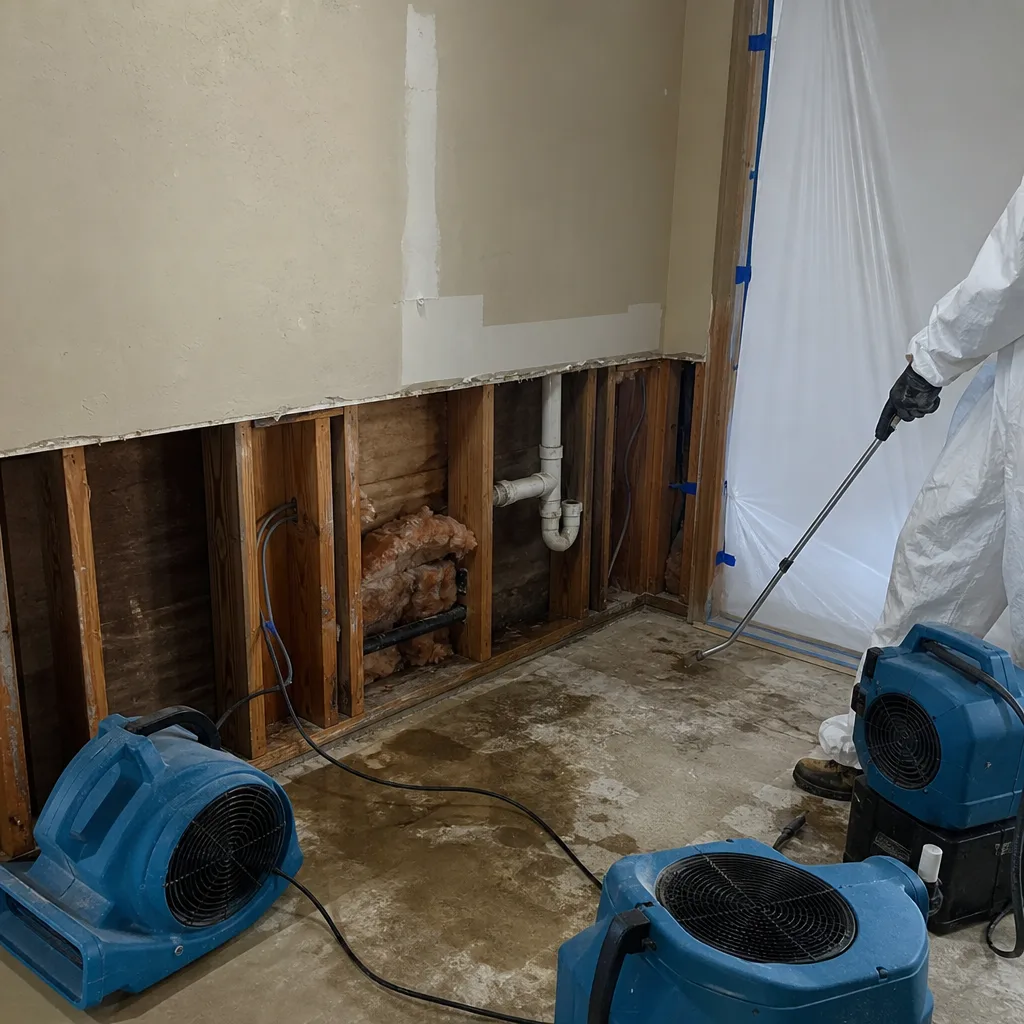
Seasonal damage response in Woodland Hills should involve professional-grade equipment, and homeowners deserve to know what that means when they are comparing restoration contractors. The brands matter because they are the standard tools of the trade: Dri-Eaz and Phoenix make the reference-grade dehumidifiers and air movers used in professional water damage restoration; XPOWER and B-Air make high-volume axial fans and air scrubbers used for drying and particle filtration.
The technical process of drying is called psychrometrics, which is the science of how temperature, humidity, and airflow interact to move moisture out of building materials. A professional restoration crew uses psychrometric calculations to determine how many air movers, dehumidifiers, and injection drying tubes a given room needs. The equipment is set up based on measured readings, not guesswork.
Desiccant drying is a specific technique used when refrigerant dehumidifiers cannot pull moisture down far enough, typically in deep wall cavities, under hardwood floors, or in very humid crawlspaces. A desiccant dehumidifier uses a chemical rotor to extract moisture at much lower humidity levels, which is why restoration-grade drying can complete in days instead of weeks.
One more term worth knowing: scope of loss. This is the written, line-by-line document that defines what work will be done, what materials will be used, and what the job will cost. A proper restoration company provides this before work begins, in writing, with no verbal modifications at the door. If a contractor cannot produce a written scope of loss, do not let them start.
These standards exist because of organizations like the IICRC (Institute of Inspection, Cleaning and Restoration Certification), RIA (Restoration Industry Association), and IFA (International Fireproofing Association), which publish the reference standards for water, fire, and mold restoration work. When a restoration company says they work “to industry standard,” these are the standards they are referencing. In Woodland Hills, homeowners who ask “what standard will you work to?” before signing a contract filter out the crews that treat restoration as demolition with a hose.
Common Mistakes to Avoid
- Waiting to see if a small stain “gets worse.” A quarter-sized water stain on a ceiling means water has already saturated the drywall above it. The visual stain is the last symptom, not the first. In Woodland Hills’ warm climate, mold growth begins within 72 hours of saturation.
- Running a household fan on a wet area. Standard fans move air but do not extract moisture. Worse, they spread airborne moisture and mold spores into unaffected rooms. Professional drying requires dehumidification, not just airflow.
- Paying the first contractor who shows up. The restoration industry has a reputation problem: price moving at the door, crews that do not show up, work that fails. The simple filter is this: ask for a written price before any work starts. If they will not write it down, they are negotiating against themselves later.
- Documenting only the obvious damage. Water travels. A leak at the ceiling shows up at the wall base on the opposite side of the room. Photograph every room that shares a wall, floor, or ceiling with the damaged area, even if it looks dry.
- Assuming “it dried out” means “it is fine.” Surface dryness is deceiving. A material can look and feel dry while holding 20% moisture inside, which is exactly where mold thrives. Professional moisture meters read the inside of the material, not the surface.
- Ignoring the attic and crawlspace. The two most common entry points for unseen damage are the two spaces nobody visits. A twice-a-year look (spring and fall) catches most problems before they become claims.
When to Call a Professional
Call a restoration professional when water is actively leaking and you cannot isolate the source; when water has been present for more than 24 hours; when water has migrated under flooring, into wall cavities, or into a crawlspace; when you see visible mold growth larger than 10 square feet; when the home smells musty and you cannot find the source; when smoke or soot has entered the living spaces from a fire, even a distant one; and when your insurance company has asked for a professional scope of loss before processing the claim.
The threshold is lower than most homeowners assume. If you are unsure whether the situation warrants a professional response, call and describe what you are seeing. A legitimate restoration company will tell you over the phone whether the situation requires equipment and a crew, or whether simple at-home mitigation is reasonable. Keegan Restoration Woodland Hills offers free estimates in Woodland Hills. Call (559) 258-5719 and a live person answers, 24 hours a day, including weekends and holidays.
Frequently Asked Questions
Water damage restoration in Woodland Hills typically ranges from $1,200 to $4,500 for a contained Category 1 (clean water) loss involving extraction and drying, while Category 3 (sewage) losses and multi-room flooding run $5,000 to $15,000 depending on the affected square footage and whether drywall and flooring removal are required. The variables are the water category, the number of affected rooms, the drying time, and whether content handling is needed. The only way to get an accurate number is a written scope of loss after an on-site assessment. Call (559) 258-5719 for a free estimate with a written price before any work starts.
A crew can typically be on site within 60 to 90 minutes in Woodland Hills during an active water emergency, because a live person answers our phone 24/7 and dispatch is immediate. For non-emergency mold assessments or fire damage inspections, we schedule within one to two business days. Water extraction cannot wait, and neither should you: every hour of standing water increases the damage scope and the eventual repair cost.
Most homeowners insurance policies cover sudden and accidental water damage, such as a burst pipe or storm-driven roof leak, but do not cover gradual damage from long-term neglect, like a slow plumbing drip that has been staining a cabinet for months. The determining factor is usually whether the damage was “sudden and accidental” versus “gradual and preventable.” We document every job with photos, moisture readings, and a written scope of loss formatted to support your claim, which is what adjusters need to authorize coverage. For typical pricing context, see our Damage Restoration Cost Breakdown: The Woodland Hills Homeowner’s Reference for 2026.
If the mold-affected area is smaller than 10 square feet and the moisture source has been completely corrected, surface cleaning may be acceptable; anything larger requires professional mold remediation that removes the contaminated material and treats the area with professional-grade antimicrobials. Bleach does not kill mold on porous surfaces like drywall and wood, and it can actually add moisture that makes the problem worse. The IICRC mold remediation standard exists because improper cleaning spreads spores into unaffected areas.
The 365-Day Done Right Promise is a written, one-year guarantee on every repair Keegan Restoration Woodland Hills completes: if the work fails within one year, we return and make it right at no charge, including a free second visit. This is the same standard applied across the Garrison Partners family, and it is part of The Garrison Standard: written price before work starts, background-checked and uniformed technicians, and a full-year written guarantee on every job.
A restoration professional can distinguish condensation mold from leak mold by checking the pattern: condensation mold is evenly distributed across the roof deck sheathing, particularly around the eaves and gable ends, while leak mold is concentrated in a specific area around a penetration, valley, or a known roof defect. In Woodland Hills, where summer attic temperatures routinely exceed 130°F, condensation mold is more common than most homeowners assume even in a dry climate. A professional moisture assessment gives you the answer in writing.
The Bottom Line
Seasonal damage restoration care in Woodland Hills comes down to three disciplines: inspect before the season changes, document everything, and never wait on a water stain. The climate here creates predictable patterns, rain stress in winter, heat stress and smoke risk in summer, and mold-friendly warming spells in spring. A homeowner who works those patterns spends a few hundred dollars a year on prevention instead of thousands on restoration. And when damage does strike, the response matters as much as the prevention: a written scope of loss, professional-grade equipment, and a contractor who stands behind the work for a full year. That is what The Garrison Standard means in practice, and it has been the operating principle at Keegan Restoration Woodland Hills home since 2005.
Written by Shane Pruitt, Owner at Keegan Restoration Woodland Hills, serving Woodland Hills since 2005.
See the difference
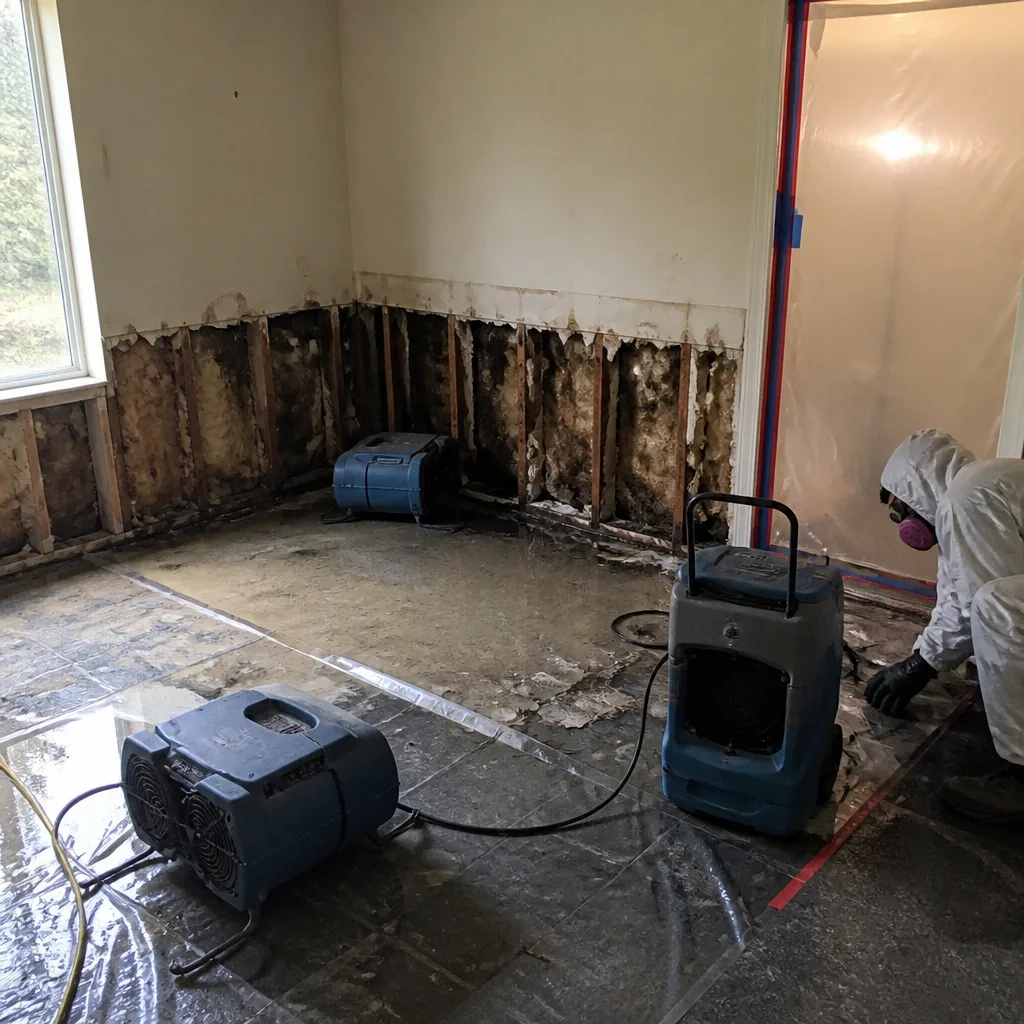 Before
 After
After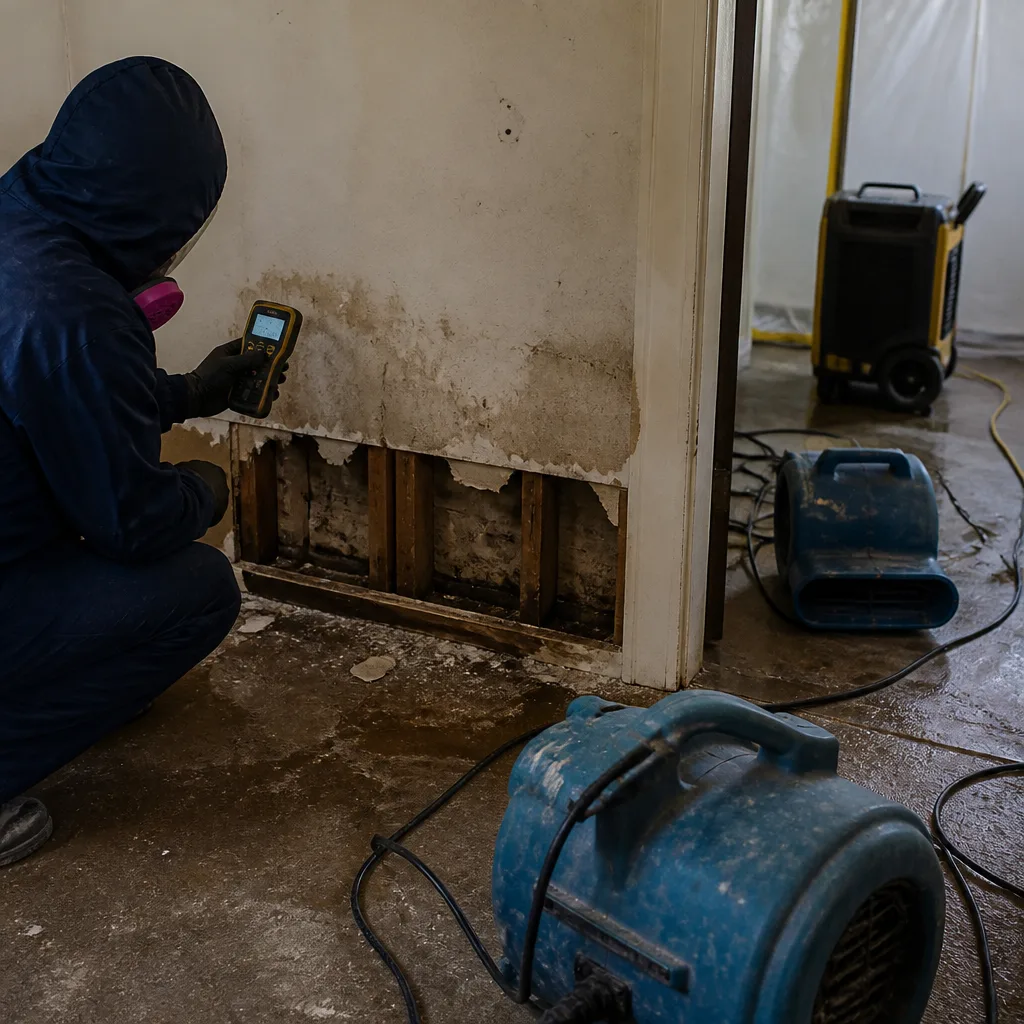 Before
 After
After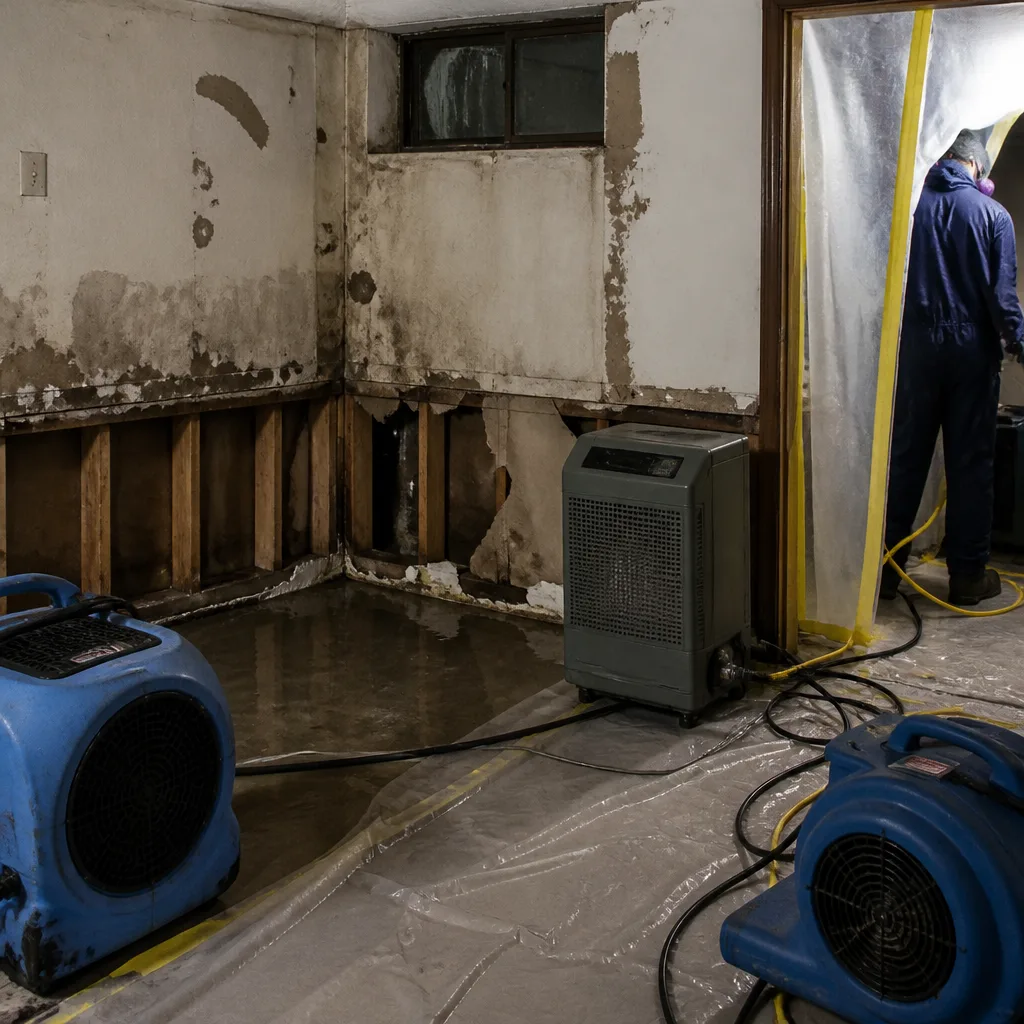 Before
 After
After