
Last updated October 16, 2026
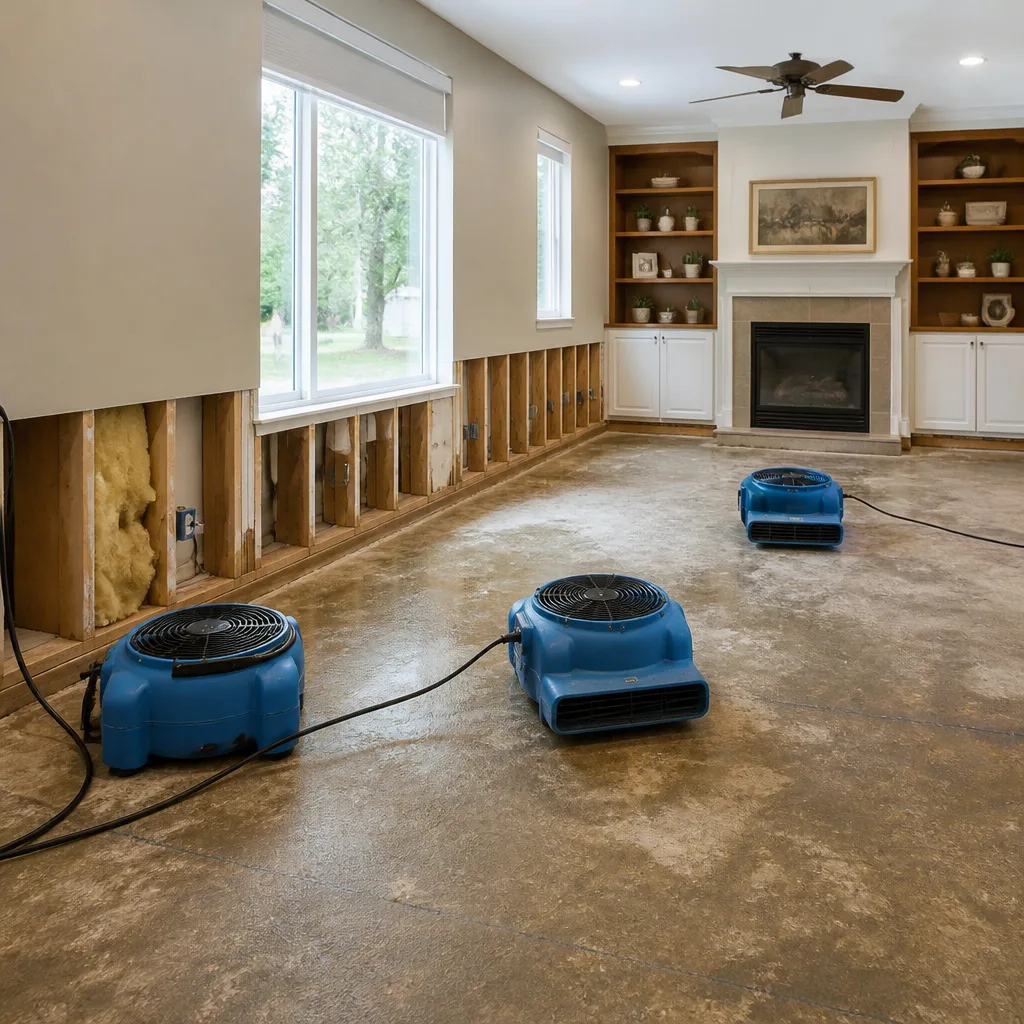 Water damage drying
 Fire & smoke cleanup
 Mold remediation
 Storm response
 Sewage cleanup
 Reconstruction
Free visual inspection and a written scope of work before any mitigation begins - photos, moisture readings, and drying logs go in your claim file
The scope we write is the scope we bill. Anything new gets shown to you, in writing, before we touch it.
Get your free estimateDamage Restoration Permits, Codes & Inspections in CA: What You Need to Know
Here’s a truth most California homeowners learn the hard way: replacing drywall after a pipe leak usually needs no permit at all, but the moment that same repair touches framing, electrical, or a load-bearing wall, you have crossed into territory where the county expects a permit and an inspection. In Woodland Hills, where homes range from 1950s ranch builds to newer hillside construction, the line between cosmetic repair and regulated work shifts depending on what the water or fire actually damaged. This guide draws that line in plain language. You’ll learn what requires a permit in LA County, what doesn’t, how unpermitted work affects your insurance, and the sequence a legitimate contractor follows when a simple job turns structural. For Damage Restoration Warning Signs: A Woodland Hills Homeowner’s Reference Guide, see our companion post.
Restoration work we handle
Quick Answer
In California, most drywall, flooring, and paint work after water or fire damage is considered cosmetic repair and does not require a permit. A permit is required when restoration work involves structural framing, load-bearing walls, electrical panel or wiring replacement, significant plumbing repiping, or any change that alters a building’s structural or mechanical systems. Skipping a required permit creates a disclosure problem when you sell the home and gives your insurer grounds to deny a future claim.
Table of Contents
- Cosmetic Repair vs. Structural Work: Where LA County Draws the Line
- How Unpermitted Restoration Work Affects Your California Homeowner’s Policy
- City of Los Angeles vs. LA County Jurisdiction: What Woodland Hills Addresses Need to Know
- What a Legitimate Contractor Does When Damage Exceeds the Original Scope
- Why the Inspection Record Matters Beyond the Immediate Job
- The Permit Timeline and Costs for Restoration Work in LA County
- Common Mistakes to Avoid
- When to Call a Professional
- Frequently Asked Questions
- The Bottom Line
Cosmetic Repair vs. Structural Work: Where LA County Draws the Line
California Building Code governs what requires a permit, and LA County enforces it through the Department of Building and Safety. The threshold in practice is simpler than it sounds. Cosmetic work means anything that restores a surface without altering the structure underneath. Paint, texture, trim, drywall patches, baseboards, carpet, vinyl plank, and tile over an intact subfloor all fall into this category. No permit. No inspection. A restoration crew can gut a water-soaked bathroom down to the studs and rebuild it with new drywall, and if the framing is sound and the plumbing and electrical were not touched, the job remains a no-permit repair.
The line gets crossed when the damage moved past the surface. Here is what changes the classification:
- Framing repair or replacement: If water damage rotted a sill plate, a floor joist, or a wall stud, or fire charred any structural member, that is structural repair. Permit required.
- Load-bearing wall modification: Cutting into, sistering, or replacing any portion of a bearing wall triggers review, even if the change is small.
- Electrical work: Replacing an outlet is cosmetic. Replacing wiring, a panel, or adding circuits after water intrusion or fire damage is not. Electrical permits are separate from building permits and are required for any rewiring.
- Plumbing beyond fixture replacement: Swapping a water heater, a toilet, or a sink supply line is a repair. Repiping a supply line or moving drain lines is permitted work.
- Roof structural work: Replacing sheathing or rafters after a leak or a fire is structural. Replacing shingles over sound decking is not.
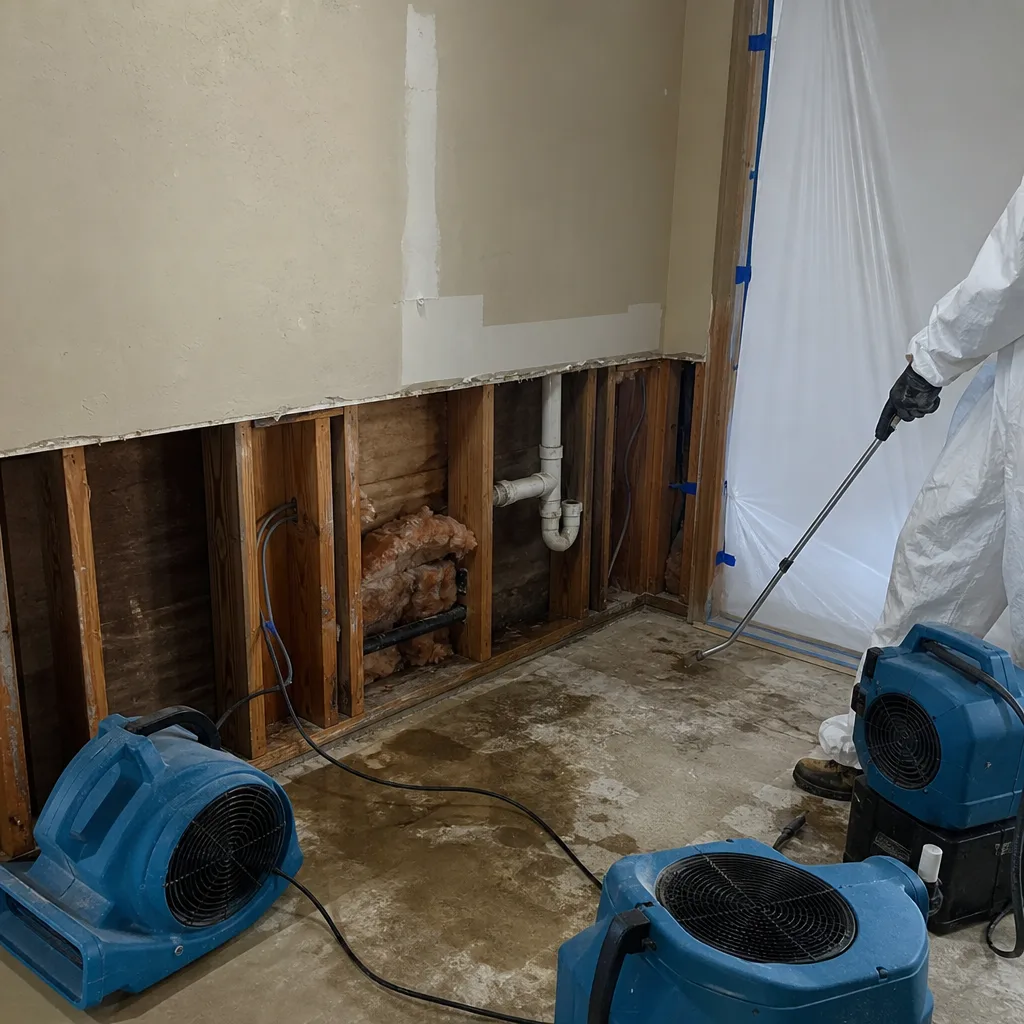
In our experience in Woodland Hills, the most common surprise is a water-damaged bottom plate behind a kitchen sink or a bathroom vanity. The drywall looks bad, the homeowner wants it fixed, and then the technician opens the wall and finds the framing behind it has been wicking moisture for months. That is the exact moment the job changes from a restoration to a permitted repair. A good contractor stops there and tells you before touching anything else.
How Unpermitted Restoration Work Affects Your California Homeowner’s Policy
California insurers write policies that assume your home complies with the building code in effect when it was built. They also write in an exclusion most homeowners never read: if a loss is made worse by work that was done without a required permit, the insurer can reduce or deny the claim for that portion of the damage. This is not a small-print technicality. It is a real avenue adjusters use when a fire or a second water loss hits a property that had unpermitted structural repair done earlier.
Here is the sequence that gets homeowners in trouble. A pipe leaks behind a wall in a Woodland Hills home built in 1962. The homeowner hires a handyman who opens the wall, finds a rotted stud, replaces it without a permit, and closes everything up. Five years later, an earthquake shifts the house, or another leak hits the same wall. The adjuster opens the wall and sees framing work that was never inspected. The insurer now has a basis to argue that the prior repair contributed to the new damage, or created a condition that worsened it. The homeowner has no permit record, no inspection sign-off, and very little leverage.
The policy clause that controls this is usually titled something close to “No Coverage for Defective or Unpermitted Work.” The exact language varies by carrier, but the principle is consistent across the California market. The insurer will pay for permitted work done to code. It will fight over unpermitted work, especially structural work that should have triggered an inspection.
There is a second angle here that matters just as much. California law requires sellers to disclose all known material facts about a property, and unpermitted structural work is a material fact. When you sell a home that had unpermitted framing repair, you either disclose it and take a price hit, or you don’t disclose it and carry legal exposure. Neither option is good. Permitted work, by contrast, generates an inspection record that you simply attach to your disclosure package and move on.
If you’re facing a restoration job that may cross the permit threshold, our Water Damage Restoration in Woodland Hills page explains how we document every stage of a job, including the point at which a permit becomes necessary.
City of Los Angeles vs. LA County Jurisdiction: What Woodland Hills Addresses Need to Know
Woodland Hills sits inside the City of Los Angeles, so most parcels there fall under the Los Angeles Department of Building and Safety, not the LA County Building and Safety Division. The distinction matters because the two agencies have different offices, different inspection schedules, and slightly different interpretations of when minor structural repair crosses the permit line. A homeowner who calls the county office with a Woodland Hills address will usually be redirected to the city.
There is a wrinkle worth knowing. Some Woodland Hills addresses, particularly those in the hills south of Ventura Boulevard, have historically been mapped under county fire jurisdiction even while building permits go through the city. This split jurisdiction affects wildfire-related restoration work, where fire hardening and structural repair standards may be reviewed against county fire code requirements layered on top of city building code. If a wildfire damaged a hillside property, the rebuild may need city building permits and county fire clearances before inspection can close.
The practical takeaway is this: don’t guess at jurisdiction based on what a neighbor in a different part of the Valley did. A contractor who works routinely in Woodland Hills will know whether a specific address runs through the city system, and that knowledge saves time when a structural permit is pulled. We’ve worked parcels in the flatlands above the 101 and in the hills south of Mulholland, and the permit path is not identical for both.
The jurisdiction question also affects how quickly an inspection can be scheduled. City inspectors in the Valley tend to operate on tighter windows than county inspectors covering a much larger geography. If a restoration job has to stop for an inspection before closing a wall, that timing difference translates directly into how long you’re living without a finished room.
What a Legitimate Contractor Does When Damage Exceeds the Original Scope
Every restoration contractor has been through the same moment: the job starts as a thirty-foot-square drywall replacement, and then the wall comes open and the scope changes. What separates a disciplined operation from a sloppy one is what happens in the next thirty minutes. Here is the sequence a legitimate contractor follows when damage exceeds the original scope:
- Stop work immediately. The crew does not continue cutting, does not start pulling framing, and does not “just take a peek” behind another wall. The job freezes at the point of discovery.
- Document the condition. Photographs are taken with scale references. The affected area is measured. The observed damage is described in writing. This documentation serves three audiences: the homeowner, the insurance adjuster, and if required, the building inspector.
- Notify the homeowner in person or by phone before any further work. The conversation includes what was found, why it changes the scope, and what the permit implications are. The homeowner makes the decision; the contractor does not proceed on a handshake.
- Notify the adjuster if there is an open claim. Insurance coverage for newly discovered structural damage depends on prompt reporting. A contractor who waits a week to mention it has already made the claim harder.
- Determine whether a permit is required. This is a factual question under the building code, not a matter of contractor preference. If the answer is yes, the contractor pulls the permit and schedules the inspection before closing any concealed work.
- Issue a revised written scope and price before proceeding. The original price is not a floor for opportunistic upcharging. The new scope is documented, priced, and approved in writing.
This is the sequence we run at Keegan because it protects the homeowner at every step. The Garrison Standard requires a written price before any work starts, and when scope changes, the same discipline applies to the change. No one finds out about a new cost at the door.
For fire damage work where the scope frequently expands beyond what was visible on day one, our Fire Damage Restoration in Woodland Hills page walks through how we handle smoke, char, and structural findings.
Why the Inspection Record Matters Beyond the Immediate Job
An inspection record is the only proof that hidden work was done to code. Once drywall goes back up and paint goes on, no one can see the framing, the wiring, or the pipe connections behind the surface. The inspection sign-off is the paper trail that stands in for what is no longer visible. Homeowners often treat the inspection as a bureaucratic checkbox. They should treat it as an asset.
Here is what the inspection record does for you over the life of the home:
- Insurance claims: A future claim involving the same area of the home is much harder for an adjuster to dispute when permitted work with an inspection sign-off is on file. You removed the “was it ever done right?” argument.
- Resale and title: Buyers in the Woodland Hills market routinely request permit history during escrow. A clean record is a selling point. A missing record on structural work is a renegotiation point.
- Refinance and appraisal: Appraisers and lenders look at unpermitted structural work as a risk factor. Some lenders will not close a refinance on a property with known unpermitted additions or structural repair.
- Disaster recovery records: If a future wildfire, flood, or earthquake affects the property, having an inventory of permitted work helps establish the baseline condition of the home before the event.
Building departments keep permit records going back decades. A homeowner can pull the permit history for any property in Los Angeles for a small research fee or, in many cases, online. Before you file a claim or list your home, it is worth pulling that history and knowing what it shows. A missing permit on work you paid someone to do correctly is a problem you can still fix, but it gets more expensive the longer you wait.
The Permit Timeline and Costs for Restoration Work in LA County
Restoration work in the Los Angeles market does not move on the same timeline as new construction permitting. The city accelerates some restoration permits because the property is uninhabitable or damaged, but the process still takes longer than most homeowners expect. Here is a realistic picture of what to plan for:
- Simple structural repair permit (sill plate replacement, minor framing): $300 to $700 in permit fees, 1 to 3 weeks from application to issuance, plus inspection scheduling.
- Electrical permit (rewiring a room after water or fire damage): $150 to $400, typically faster than building permits, often 1 to 2 weeks.
- Plumbing permit (repipe or drain relocation): $200 to $500, 1 to 2 weeks.
- Combined building + electrical + plumbing (full room rebuild after significant damage): $800 to $1,500 in total permit fees, 3 to 6 weeks for issuance.
- Inspection fees: usually included in the permit cost for the first visit; reinspection after a failed inspection costs $100 to $200.
These are working numbers for the LA market, not fixed quotes. The city adjusts its fee schedule, and project-specific factors like hillside grading review or fire zone requirements can add costs. A contractor who works regularly in Woodland Hills can give you a tight estimate for the specific address before you commit to anything. Our How to Hire a Damage Restoration Contractor in Woodland Hills: A Step-by-Step Guide walks you through vetting that relationship.
The timeline pressure on restoration work comes from a different direction than on new builds. You’re not waiting for a permit so you can break ground on a renovation. You’re waiting for a permit while your kitchen is torn apart or your bedroom wall is open to the studs. That reality shapes how a good restoration company sequences the job. They get the permit filed before finishing demolition, they document everything for the adjuster while the walls are open, and they schedule the inspection to minimize the gap between rough work and close-up.
Common Mistakes to Avoid
- Letting a contractor close a wall without an inspection when structural work was done. Once the drywall is up, the inspector cannot see the work. You either open the wall again to inspect, or you live with an unpermitted structural repair on your record.
- Assuming all restoration work is exempt from permits. It is not. Cosmetic repair is exempt. Structural, electrical, plumbing beyond fixture replacement, and any load-bearing work is not. The distinction is factual, not a matter of opinion.
- Hiring a contractor based on a low bid and no license check. California requires a contractor license from the CSLB for work over $500 including labor and materials. A handyman without a license cannot legally pull a permit, which means any structural work they do is unpermitted by default.
- Not documenting the pre-existing condition of the home before work starts. When a permit application references pre-existing conditions, or a future claim involves the same area, you need a photo record of what was there before the restoration crew arrived.
- Paying in full before the final inspection is signed off. The inspection is the last step in the permitted work process. A contractor who wants full payment before the inspection passes is asking you to take on risk that should stay with them.
- Ignoring a Stop Work notice or a permit requirement flagged by an adjuster. Adjusters in California see unpermitted work constantly. When one flags it on your claim, the cost of fixing the problem goes up if you wait. Address it immediately.
When to Call a Professional
If the damage you are looking at is drywall, flooring, or paint with no visible structural issue, a competent restoration crew can handle it without a permit and without drama. For help deciding whether to tackle it yourself or call in pros, read our DIY vs Professional Damage Restoration: The Woodland Hills Homeowner’s Decision Guide. The moment you see charred framing, sagging floors, a wall that gives when you push on it, water stains at the base of a load-bearing wall, or wiring that has been exposed to water, you need a professional who knows where the permit line sits and will not cross it casually. The cost of a permit is small compared to the cost of an unpermitted structural repair discovered during a sale or a future claim.
Keegan Restoration Woodland Hills offers free estimates in Woodland Hills. We walk the site, identify what is cosmetic and what is not, and put the price in writing before any work starts. Call (559) 258-5719 to schedule.
Frequently Asked Questions
No permit is required in California to replace drywall after water damage as long as the work is limited to surface repair and does not touch structural framing, electrical wiring, or plumbing lines. If the damage extended into any of those systems, a permit is required before that portion of the work proceeds.
An insurer can deny or reduce a claim if unpermitted work contributed to or worsened the loss being claimed. California policies typically include an exclusion for damage caused or made worse by work that was not performed to code, and missing permits are the primary evidence an adjuster will use. Call Keegan Restoration Woodland Hills at (559) 258-5719 if you are facing this situation and want a documented assessment before filing.
Cosmetic repair restores the surface of a home without altering its structural or mechanical systems, and includes paint, drywall patches, flooring, and trim. Structural repair touches framing, load-bearing walls, foundations, or roof structure, and requires a permit in Los Angeles. The difference is determined by what was actually damaged, not by the size of the job.
A straightforward structural repair permit in Woodland Hills typically takes 1 to 3 weeks from application to issuance, with electrical and plumbing permits moving faster at around 1 to 2 weeks. The timeline depends on the Los Angeles Department of Building and Safety workload, the complexity of the repair, and whether hillside or fire zone review applies to the specific parcel.
The contractor pulls the permit in most cases because the contractor’s license is tied to the permit record and the contractor is the party legally responsible for the work passing inspection. A homeowner can pull a permit as owner-builder, but that path exposes the homeowner to liability for code compliance and complicates future insurance claims.
Mold remediation itself does not require a permit in California because it is classified as cleaning and decontamination, not construction. A permit is required if remediation involves removing and replacing structural framing or drywall beyond surface treatment. Our Mold Remediation in Woodland Hills page explains how we separate the decontamination scope from the repair scope so you only permit what the code actually requires.
The Bottom Line
California’s permit rules for restoration work are not arbitrary, but they are easy to get wrong if you don’t know where the line sits. Surface repair needs no permit. Structural, electrical, and plumbing work does. The cost of doing it right is a few hundred dollars in fees and a few weeks of timeline. The cost of doing it wrong is an insurance claim that gets denied, a home sale that gets complicated, or a wall that has to be opened up again for an inspection after the fact. In Woodland Hills, where property values are high and buyer scrutiny is intense, the permit record is worth more than the permit fee. Browse more guides & resources for homeowners navigating restoration and repair decisions.
Keegan Restoration Woodland Hills has run every job to the same written standard since 2005: price in writing before work starts, background-checked technicians in uniform, professional-grade equipment from Dri-Eaz, Phoenix, XPOWER, B-Air, and Injectidry, and a full-year written guarantee on every repair. When damage crosses the permit line, we stop, document, notify you, and handle the permit the right way. Call (559) 258-5719 for a free estimate, or visit our Keegan Restoration Woodland Hills home page to see the full scope of what we do.
Written by Shane Pruitt, Owner at Keegan Restoration Woodland Hills, serving Woodland Hills since 2005.
See the difference
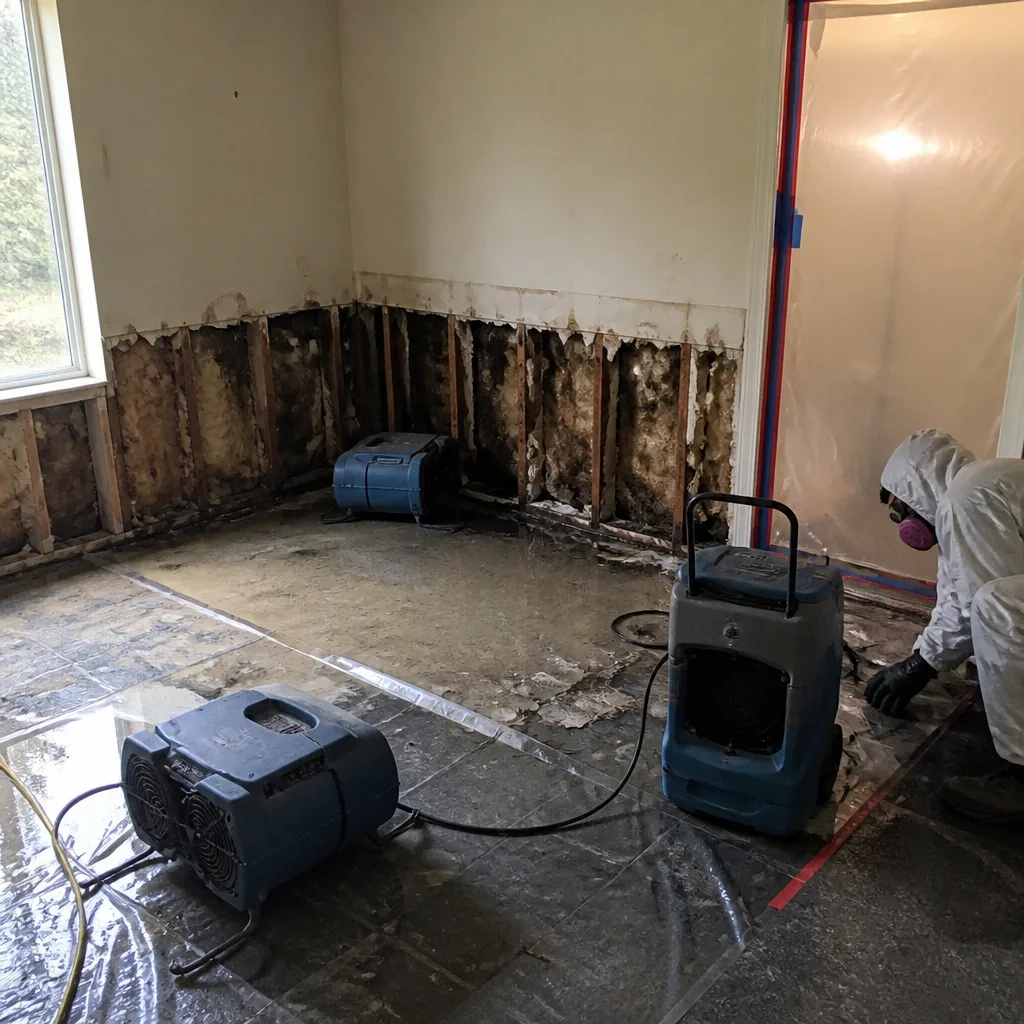 Before
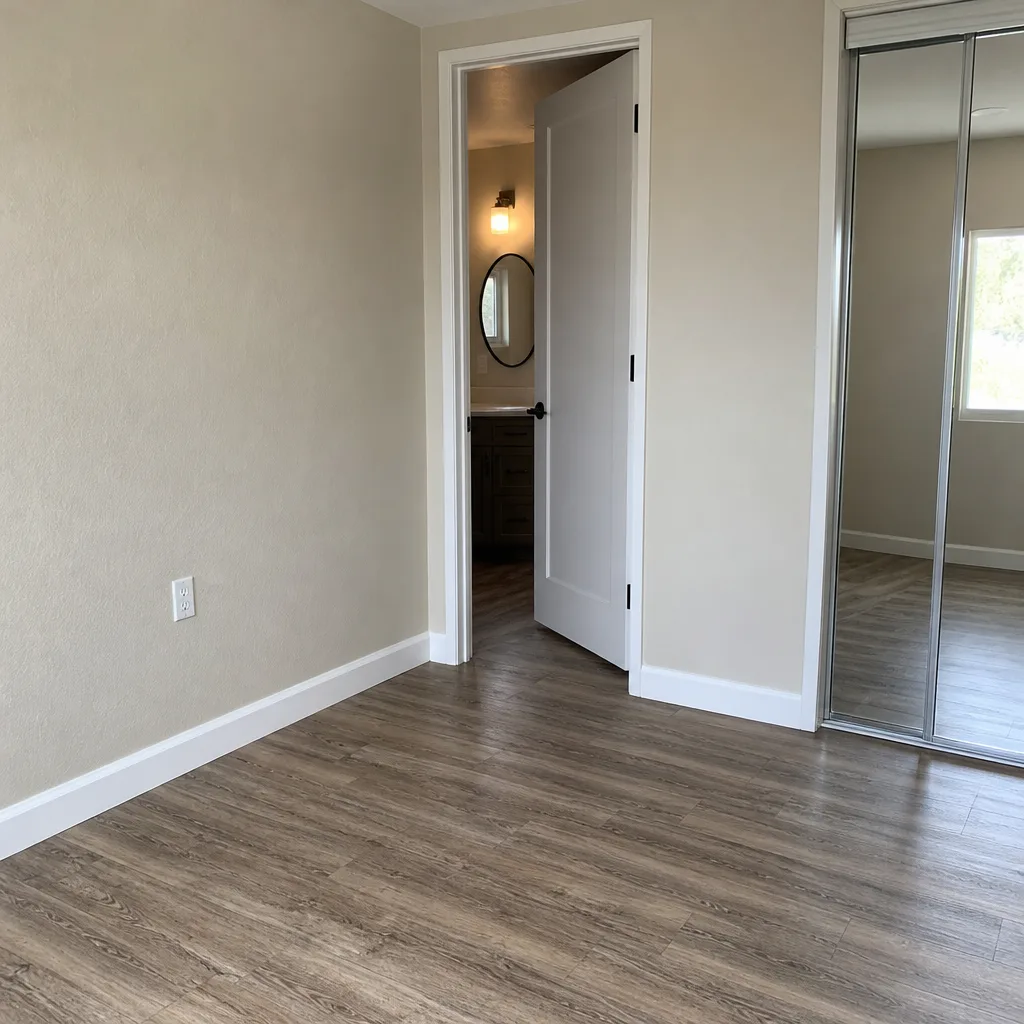 After
After Before
 After
After Before
 After
After